Arizona Data Centers Tackle Water Use Concerns Amidst Growing Public Scrutiny
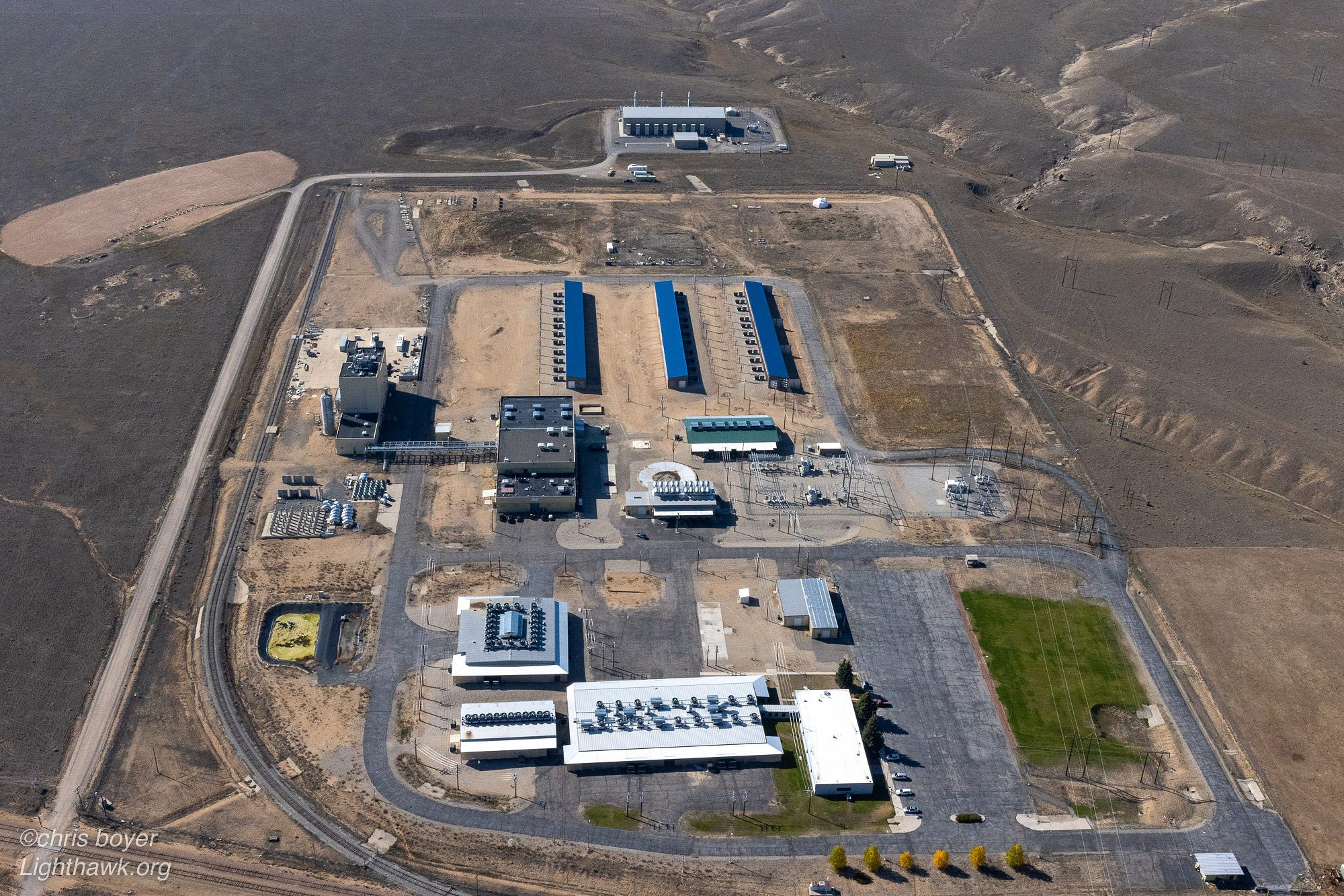
As Arizona’s data center industry faces mounting public concerns over water usage, industry leaders are taking proactive steps to address these issues. During a recent event organized by the Arizona Data Center Alliance, companies highlighted their efforts to minimize water consumption in cooling systems, with insights from SRP and the Kyl Center for Water Policy providing a broader understanding of Arizona’s water management framework.
Tom Sullivan, COO of Air2O, a local HVAC manufacturing firm, emphasized the industry’s shift towards more water-efficient cooling methods. He noted that many developers are now prioritizing systems that conserve water over those that merely cut energy costs. Transitioning from open-loop to closed-loop cooling systems, which recycle a water-glycol mix to dissipate heat, has significantly reduced water usage at the expense of increased energy consumption by about 33%.
Sullivan illustrated the impact of this transition, stating that a midsize data center utilizing closed-loop cooling might use approximately 120,000 gallons of water for a single cooling cycle, compared to over a million gallons daily with an open-loop system. “So the numbers that the media use are true, but they are a true number from the past, and it’s unfair to use a legacy number today, because it’s not the way the data is being used today, the cooling has changed. The water conversation changed,” he explained. Despite the occasional need for system flushing due to contamination, the frequency varies between companies.
An official from QTS, present at the event, suggested that their systems might only require flushing once every 40 years. Sullivan further compared water usage, indicating that a midsize data center’s water consumption could be equivalent to that of 18 homes annually, excluding water used for power generation.
Sarah Porter, director of ASU’s Kyl Center for Water Policy, noted that community concerns about water-intensive hyperscale data centers have not materialized in Arizona. Her team, which began examining data center water use two years ago, found developers and major tech firms willing to engage in discussions to understand local concerns. Arizona’s regulatory framework, particularly within its active management areas (AMAs), has prevented excessive water use by data centers. These areas, home to most data centers, are regulated by the Arizona Department of Water Resources, requiring state approval and usage reporting for aquifer tapping.
Porter acknowledged the robust reporting within AMAs but highlighted a lack of specificity regarding water used for industrial cooling. Despite this, utilities are aware of total water consumption, although exact figures for cooling purposes remain unspecified. “Having that awareness is important for communities to be able to weigh trade-offs in approving data centers against other uses, or to allow them to work with industries to make their cooling water use more efficient,” she remarked, urging residents to advocate for detailed industry reporting.
Addressing power generation, Porter pointed out that, within AMAs, water use by energy utilities is also monitored, with the Palo Verde Nuclear Generating Station being the state’s largest industrial water consumer. She noted efforts by utilities like SRP and APS to establish and report on water sustainability goals.
While public interest in water management has increased over the past two years, Porter hopes it extends beyond data centers to other high-water-use industries. She also emphasized the need to monitor industrial developments outside AMAs, where groundwater regulation is less stringent.
—
Read More Arizona News