Article Summary –
During the 2025-26 school year, U.S. public schools banned books nearly 12,000 times, with 7,370 different titles affected, marking a significant increase from previous years. This surge in book bans, particularly in Texas and Florida, is attributed to new laws and political actions targeting works by authors of color, women, LGBTQ+ authors, and those touching on social activism, contributing to a chilling effect on the availability of contemporary fiction that reflects complex societal issues. Additionally, the use of artificial intelligence tools to recommend book bans has emerged, often overriding the expertise of librarians and further exacerbating the literacy crisis by making it harder for young people to access relevant and engaging literature.
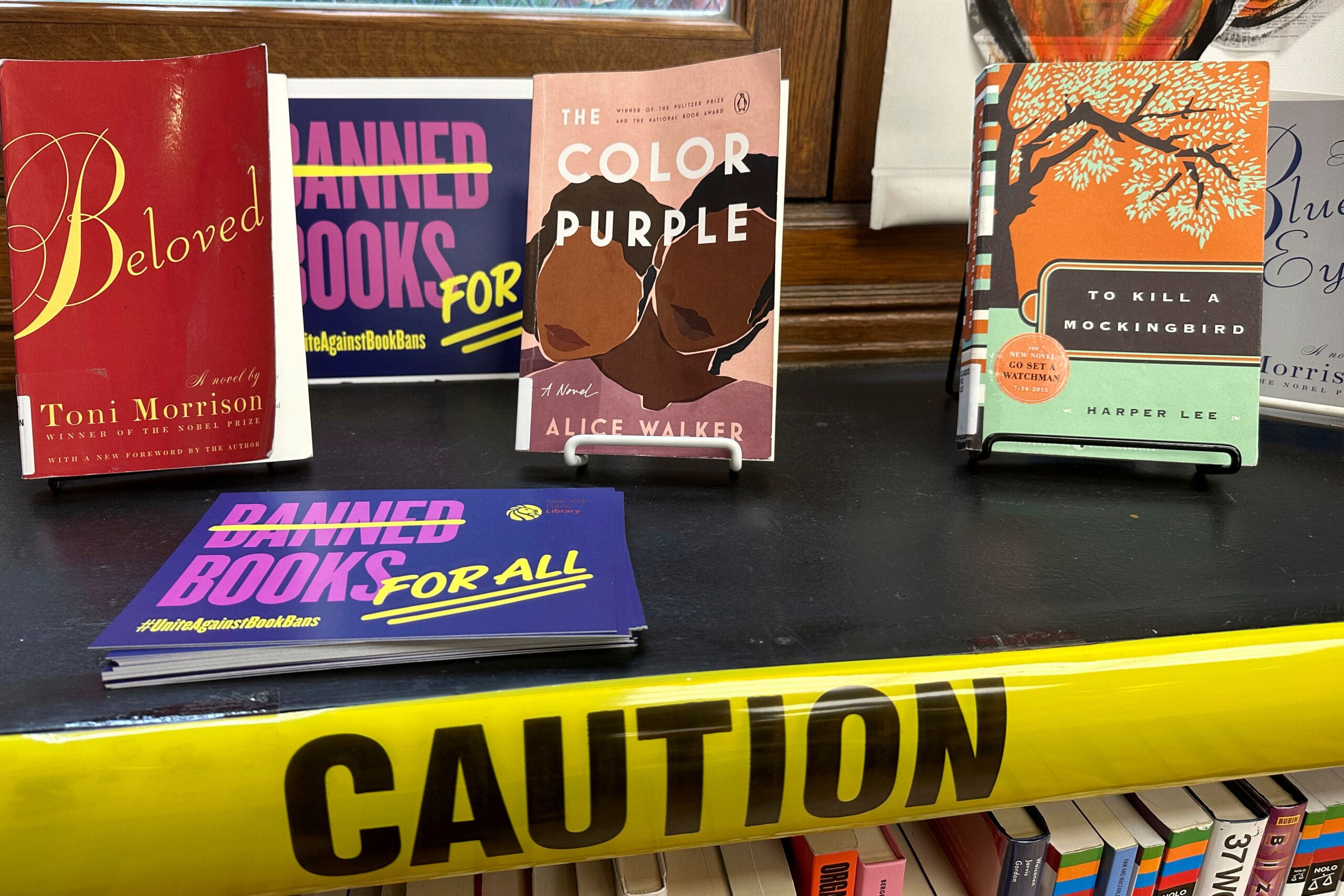
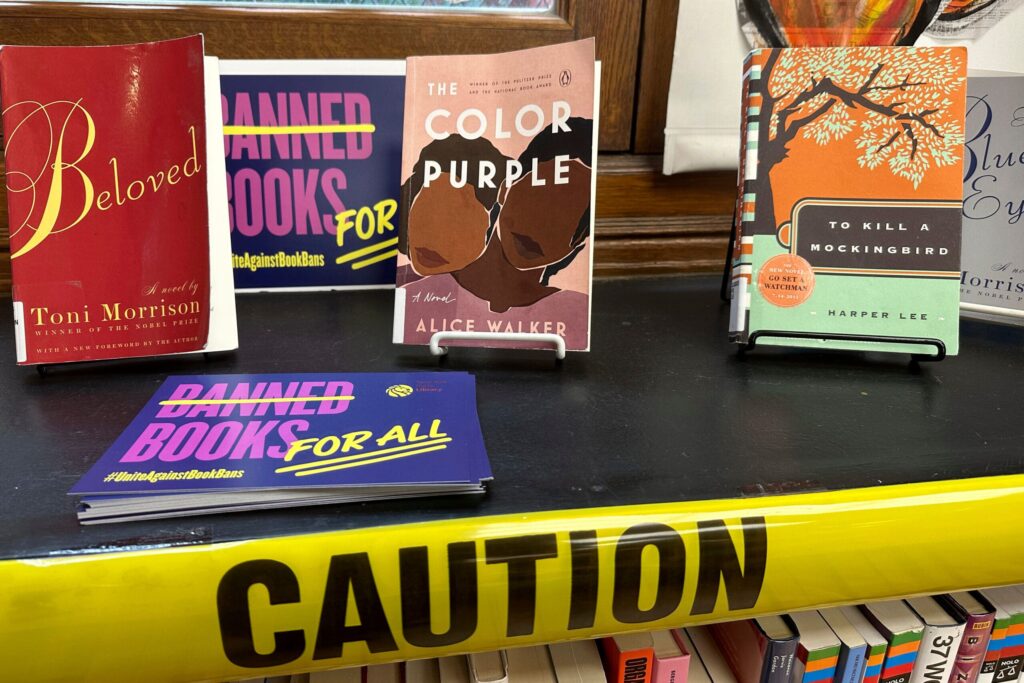
U.S. public schools banned books nearly 12,000 times during the 2025-26 school year, marking a peak since PEN America began monitoring in 2021, according to a new report from the free expression organization.
PEN America recorded 7,370 unique titles banned in public schools in the 2025-26 school year, involving over 4,000 authors, illustrators, and translators. More than 4,500 of these titles were new to the group’s Index of School Book Bans, indicating an expansion in the scope of bans. A record 114 school districts implemented book bans, up from 87 the previous year.
PEN America defines a school book ban as “any action taken against a book based on its content due to parent or community challenges, administrative decisions, or governmental threats, leading to restricted or removed access for students.”
Philomena Polefrone, senior manager of PEN America’s Freedom to Read initiative, explained that the organization began tracking school book bans in the 2021-2022 school year with 2,500 bans, a historically high number in the U.S.
The report shows 58% of banned books last year were young adult, and 87% were fiction. Polefrone noted that books on personal identity remain frequent targets: “Identity-based trends continue. Authors of color, women, LGBTQ+ authors, and those touching on social activism attract bans.”
Bans on young adult fiction exacerbate literacy and reading pleasure crises.
“Social media is easy to blame,” Polefrone said. “Increased access to non-literary content challenges attention spans for reading. Book bans worsen this, as contemporary fiction reflecting our complex world, which should engage young readers, is often targeted. Libraries now offer fewer books that resonate with youth.”
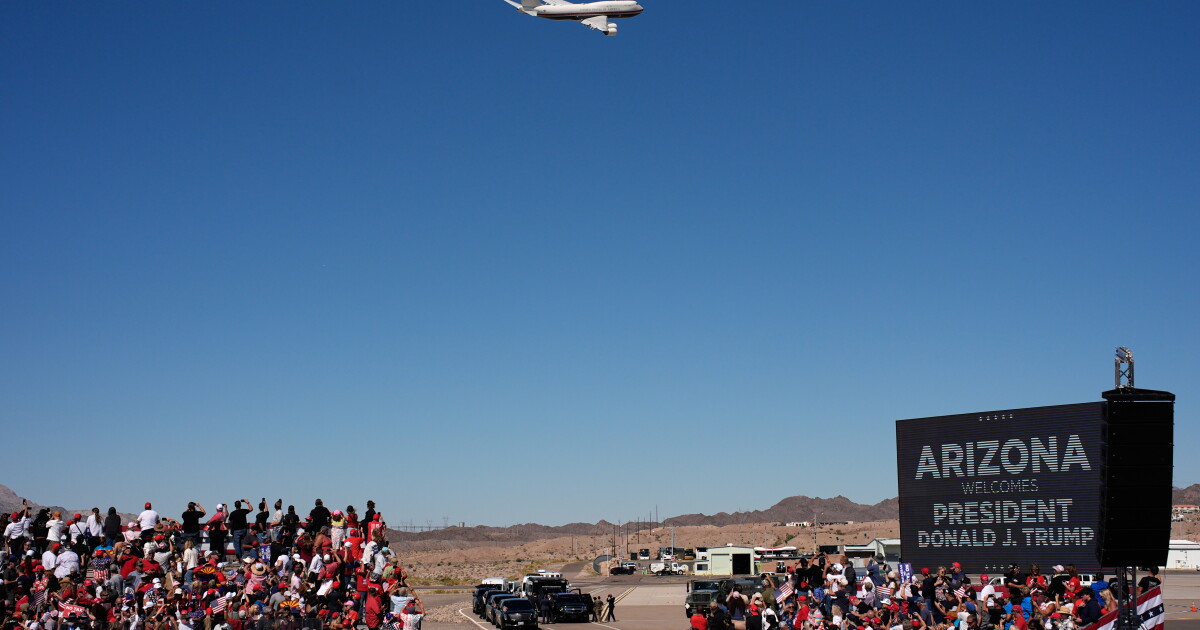
Most bans occurred in Texas and Florida. Over 8,100 bans were in Texas, with Florida seeing more than 3,200. The Texas surge follows a state law from 2025 allowing broad book bans.
In Florida, government actions led to many bans: “The Florida Board of Education intimidated Hillsborough’s superintendent, labeling certain books as harmful, leading to widespread removal across districts.”
During an Aug. 19 press conference, Texas Lt. Gov. Dan Patrick showcased book covers he deemed “filthy,” vowing to legislate against schools not removing such books, as reported by the Texas Tribune.
Patrick stated, “There are no books banned in America; you can purchase any book. But we won’t use taxpayer money for these books in schools.”
Polefrone highlighted the chilling effect of state political actions on book availability.
A new trend involves using AI to identify books for banning. According to PEN, AI consistently recommends banning books based on other districts’ actions, not legal obscenity standards.
“Librarians are trained experts, dedicated to matching books with readers. Their expertise is being overridden by administrators, school boards, and politicians who claim superior judgment despite lacking direct knowledge,” Polefrone said. “Trust librarians to guide your children’s reading.”
—
Read More Michigan News