Unveiling the Secrets of the Colorado Plateau’s Vibrant Paintbrushes
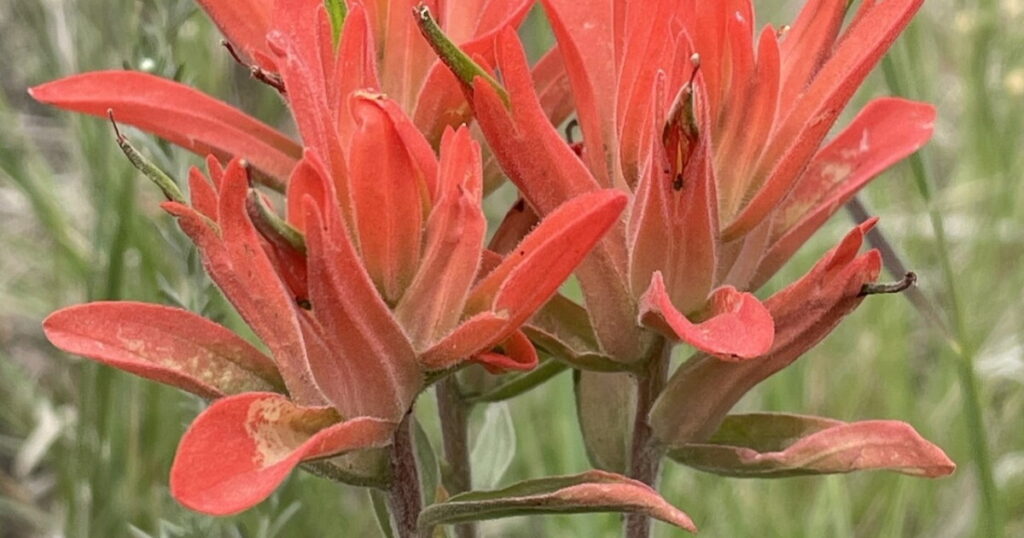
Scattered among the grassy expanses of the Colorado Plateau, vibrant paintbrushes bloom with the arrival of seasonal rains. Known for their vivid flame-like appearance, these plants belong to the Castilleja genus, which includes over 220 diverse species thriving from grasslands to alpine environments.
Though visually captivating, these red wildflowers harbor a fascinating secret. Dubbed “Colorado’s vampire plant” by the Denver Botanic Gardens, paintbrushes possess a unique survival strategy.
Unlike most plants that rely solely on photosynthesis, paintbrushes are partial parasites. While they do synthesize some energy from sunlight, water, and carbon dioxide, they extract the majority of their sustenance from nearby host plants.
These cunning plants tap into the roots of neighboring flora, siphoning off carbohydrates and nutrients. Interestingly, when cohabiting with legumes like lupines, paintbrushes are known to produce more seeds compared to when they share space with grasses.
The host plants not only affect the paintbrushes’ nutritional intake but also influence their growth, seed production, and the striking hue of their bracts. These colorful displays are not petals but rather specialized leaves encasing small, green flowers.
Though parasitic, paintbrushes can play a beneficial role in ecosystems. By drawing resources away from dominant species, they help maintain biodiversity, allowing less competitive plants to thrive. This delicate interaction exemplifies the complex ecological dynamics that often remain unseen.
This Earth Note was written by Danika Thiele and produced by KNAU and the Sustainable Communities Program at Northern Arizona University.
—
Read More Arizona News