Concerns Over Arsenic Levels Emerge in Grand Canyon Region Wells
Recent findings from a nonprofit organization have raised alarms regarding arsenic levels in groundwater near the Grand Canyon. The Grand Canyon Trust reports that certain monitoring wells, particularly those near a uranium mine, exhibit arsenic concentrations exceeding safe drinking water standards.
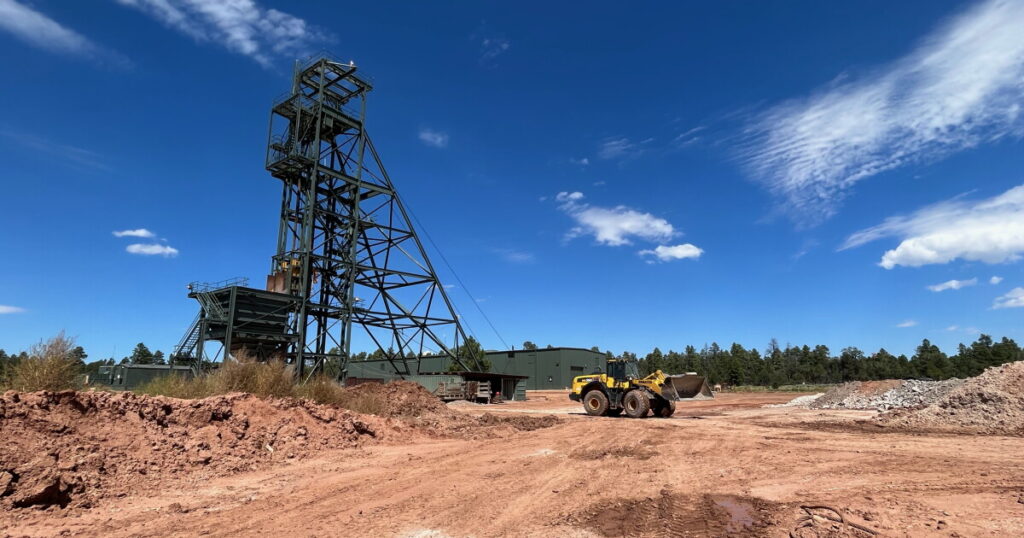
The analysis, crafted from 32 years of data from 40 wells in the area, draws upon the U.S. Geological Survey’s water quality database and records from the Arizona Department of Environmental Quality (ADEQ). This investigation identified four wells with arsenic levels above the U.S. Environmental Protection Agency’s recommended limits, with one situated on the Kaibab Plateau and three within the Pinyon Plain uranium mine, located approximately nine miles south of the Grand Canyon’s rim.
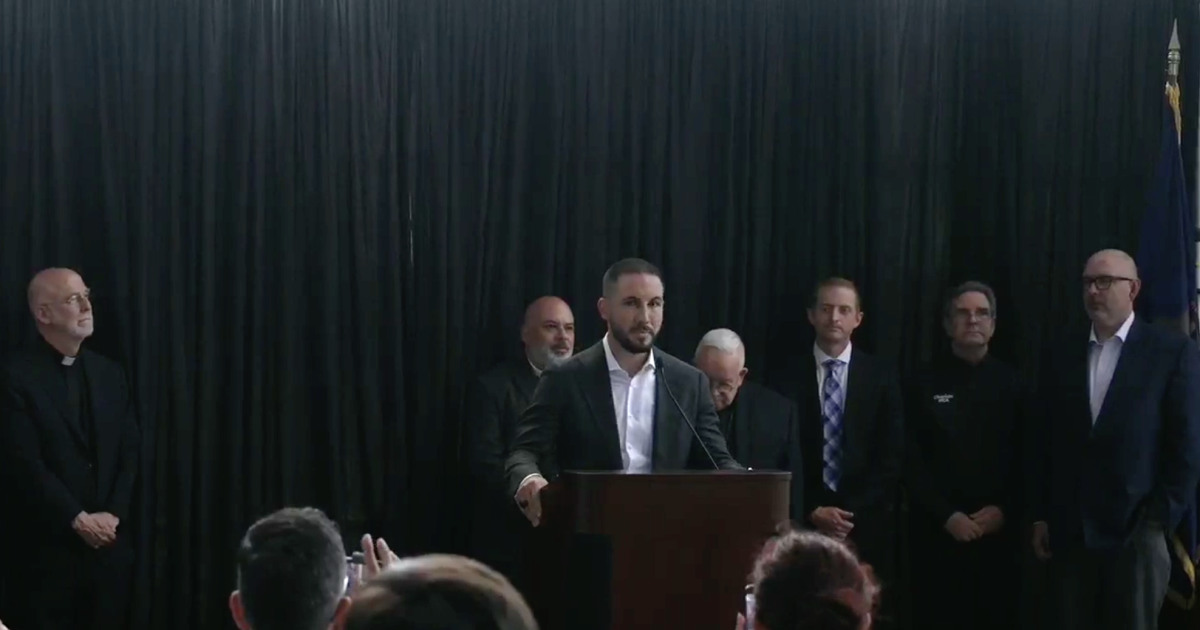
Havasupai Tribal Chairwoman Melinda Yaiva voiced concerns about the potential impact on her community, stating, “If Havasu Creek is contaminated, there is no backup water system waiting for us. The consequences would be immediate and profound.”
However, not all parties agree with the analysis or perceive a threat to the tribe. Misael Cabrera, representing Energy Fuels Resources, the mine’s owner, argued that the analysis misinterprets data. He emphasized that the elevated arsenic levels are not a result of the mine’s operations but are due to natural geological factors, asserting the lack of connectivity between the aquifers beneath the mine and those supplying the tribe’s water.
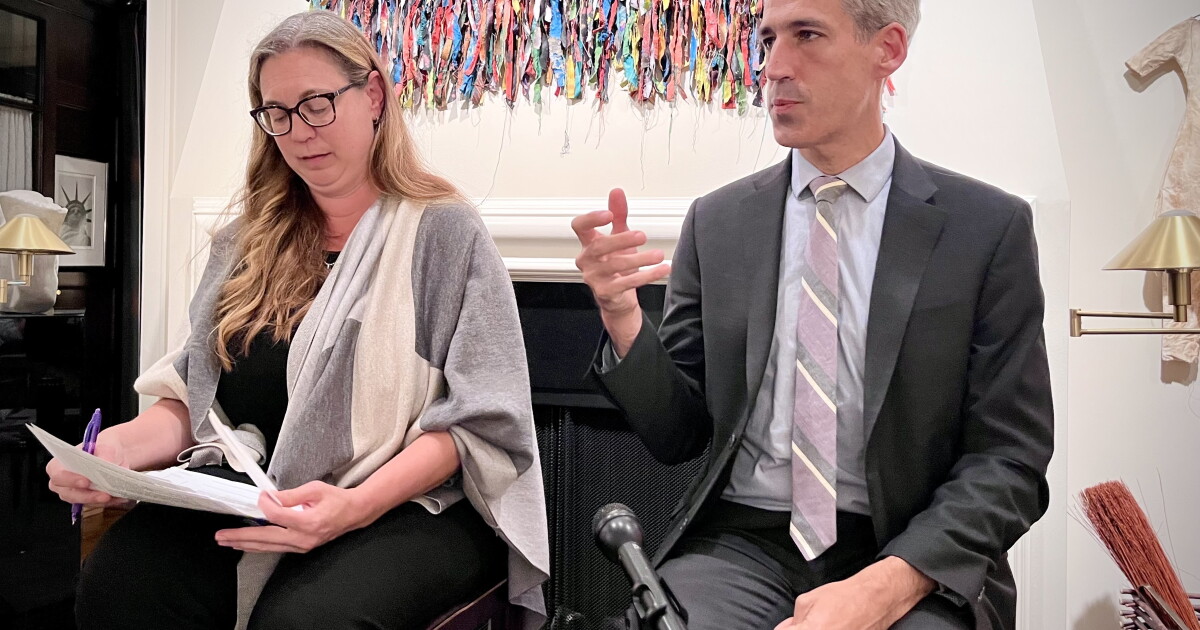
Despite Cabrera’s claims, some scientists challenge this view, suggesting that evidence points to a connection between the aquifers. They argue that the natural explanation proposed by Energy Fuels is merely a hypothesis. Brad Esser, Dave Kreamer, and Laura Crossey, scientists participating in a press conference organized by the Grand Canyon Trust, insisted that the elevated arsenic levels in the upper aquifer could pose risks to the tribe.
In July, the state’s environmental agency permitted higher arsenic levels in groundwater, despite opposition from scientists, the Havasupai Tribe, and the Grand Canyon Trust. The decision was upheld on appeal, as the tribe’s challenge was deemed to lack standing.
Cabrera, addressing questions from KNAU, maintained that the mine’s operations do not contribute to increased arsenic levels, emphasizing the natural mineralization present in the area. He acknowledged the historical importance of tribal concerns but reiterated that regulatory and scientific evidence suggests minimal risk of impact on the tribe.
For the Havasupai Tribe, the threat posed by potential water contamination extends beyond an environmental issue. Chairwoman Yaiva stressed that, “If people can no longer trust the safety of our water, the damage would extend far beyond an environmental problem. It would threaten the health, culture, economy and future of the Havasupai people. This is why this is also an issue of sovereignty.”
Disclosure: Grand Canyon Trust is a financial supporter of KNAU.
—
Read More Arizona News