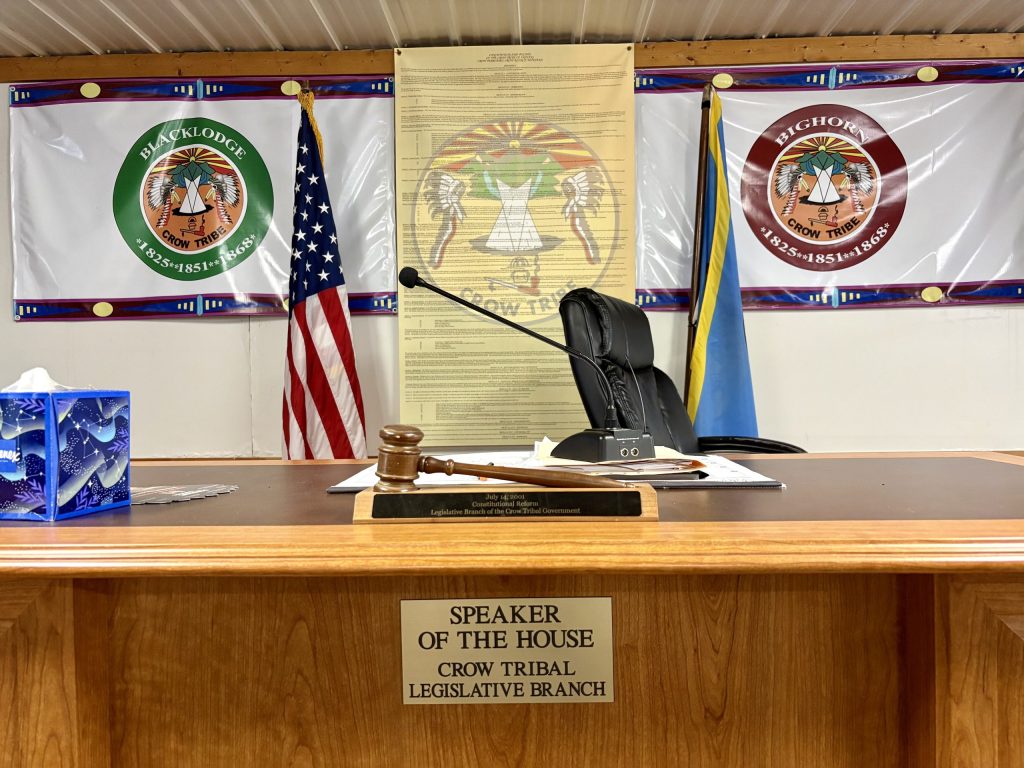

Last week, the Crow Tribe’s Legislative Branch rejected a proposal to redefine tribal citizenship, reigniting discussions about tribal identity. Tribes across the nation face the complex issue of establishing criteria for tribal citizenship, which affects rights, benefits, and federal funding. The debate challenges tribes to consider who qualifies as a member and raises essential questions about identity and community.
Tribes, as sovereign nations, rely on specific criteria to define citizenship, crucial for accessing health services, voting rights, and educational opportunities. Enrollment impacts federal funds for tribal programs. Crow Chairman Frank White Clay’s legislation aimed to revise the tribe’s “blood quantum” standard, a controversial concept tied to federal assimilation efforts, determining membership by ancestry fraction.
Most tribes use blood quantum, requiring a minimum percentage of a tribe’s blood for membership, yet experts criticize its flaws and potential to reduce membership. Historical records often reflect subjective and biased assessments of “blood,” as explained by Jill Doerfler from the University of Minnesota Duluth. Reducing membership can occur as tribal members have children with non-Natives or people from other tribes.
In Montana, tribes like Blackfeet Nation and the Fort Belknap Aaniiih and Nakoda Tribes are re-evaluating enrollment criteria. Some tribes modify blood quantum standards periodically; for instance, the Crow Tribe debated policies to consider current members as fully Crow. Other tribes, like Cheyenne and Arapaho Tribes, have lowered thresholds.
Changing membership rules can be politically sensitive, forcing tribes to address identity and belonging. Desi Small-Rodriguez of UCLA highlighted such decisions’ impact on sovereignty. Decisions about revising citizenship requirements are influenced by political, economic, and cultural factors, creating challenges in policy changes.
Alternative models to blood quantum exist, such as lineal descent, which uses ancestry to determine membership eligibility. The Cherokee Nation, the largest Native American tribe, employs this model. Critics argue it can be too inclusive, potentially straining resources.
Concerns about resource allocation were discussed during the Crow legislative debate. Some tribes address this by adding criteria, like the Flandreau Santee Sioux Tribe, which limits dual enrollment. Tulalip Tribes require residency for citizenship eligibility, but such requirements can be restrictive due to housing shortages and limited health services in tribal areas.
Tribes consider culture or language tests for membership, but these proposals are contentious. Correcting historical citizenship records presents challenges due to subjective and biased initial assessments. Crow lawmakers recognize the vote against the bill was only the beginning of ongoing discussions about tribal enrollment and identity.
Blood quantum, lineal descent, and beyond: How do tribes define citizenship? appeared first on Montana Free Press.
—
Read More Montana News