The University of Michigan is taking proactive steps in light of potential archeological concerns at its proposed hyperscale data center site in Ypsilanti Township. By collaborating with an archeologist, the university seeks to address the possibility of encountering indigenous artifacts or human remains during construction.
This decision follows a cautionary notice from the State Historic Preservation Office (SHPO), highlighting the area’s significant archeological sensitivity due to its proximity to the Huron River.
While the SHPO has not specifically assessed the project site, Scott Slagor, the cultural resource protection manager, emphasized the increased likelihood of archeological findings, including burials, given the site’s undeveloped nature. He pointed out the presence of “a recorded cemetery” adjacent to the property, underscoring the importance of avoiding any disturbance to remains during construction.
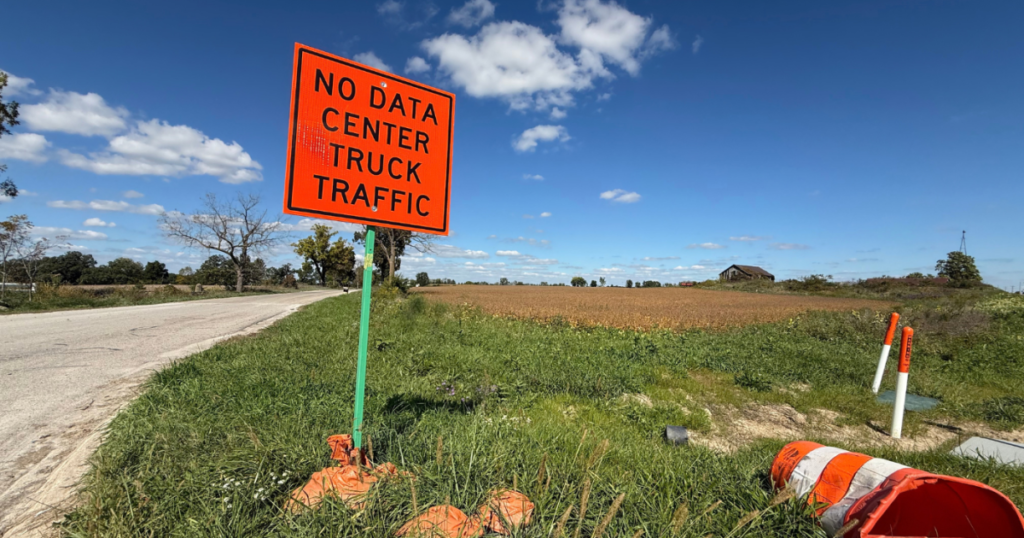
The university selected the 144-acre parcel for its data center in August, amid community opposition. The center, designed to further scientific research and education, is planned in partnership with the Los Alamos National Laboratory, known for its nuclear weapons research.
Recommendations by Slagor came through a September email exchange with Rob Green, U-M’s project director. The emails, confirmed by both the Historic Preservation Office and an attorney for Ypsilanti Township, Doug Winters, reveal Green’s inquiry about potential Native American burial grounds on the site. Despite lacking direct evidence, Green sought guidance on the property’s archeological history.
Slagor advised engaging a qualified archeologist for an assessment and reaching out to Tribal Historic Preservation Offices of nearby tribes to ensure proper respect and procedure.
In response, a U-M spokesperson referred to an official statement from October 30, acknowledging the cooperation and recommendations from the SHPO. The statement confirmed the university’s engagement with a Federally Registered Archeologist and ongoing outreach to Tribal Nations.
Ypsilanti Township attorney, Doug Winters, expressed skepticism about U-M’s commitment to a thorough assessment, citing longstanding knowledge of the area’s historical significance. “This is not news to U of M,” Winters remarked, implying the university’s reluctance to address the issue proactively.
Both the Ypsilanti Township Board of Trustees and the United Tribes of Michigan have passed resolutions urging U-M to delay construction until comprehensive archeological evaluations are completed.
Editor’s note: The University of Michigan holds Michigan Public’s broadcast license.
“`
—
Read More Michigan News