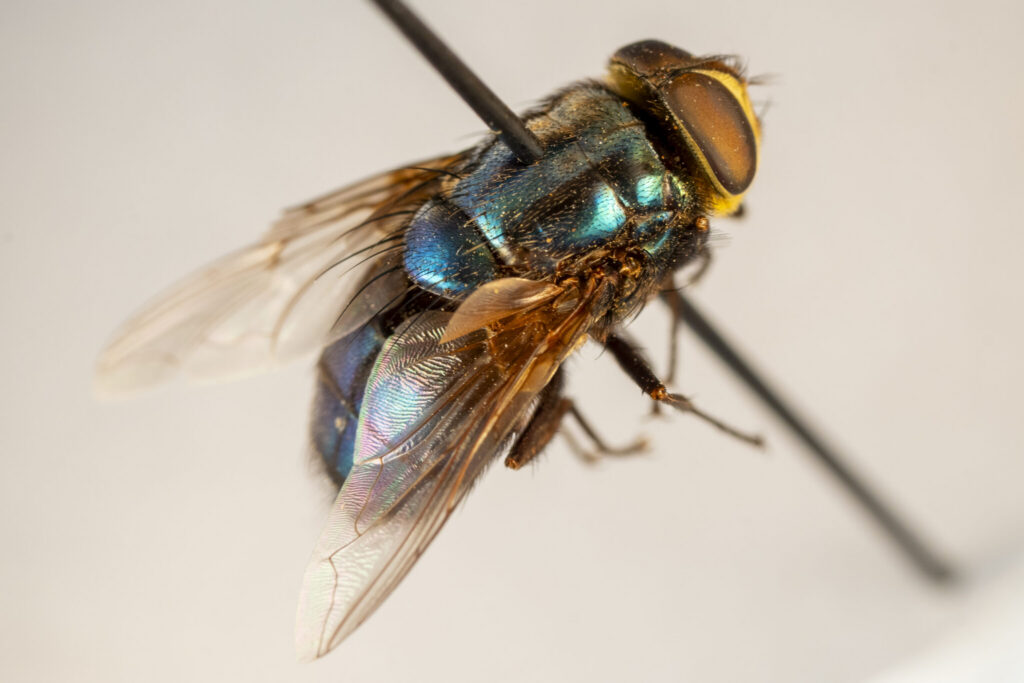
A lethal flesh-eating parasite, the New World screwworm, is spreading rapidly across the American Southwest, affecting livestock, wildlife, and pets. This marks the first U.S. detection in decades, with 139 cases recorded in three states. The U.S. Department of Agriculture reported 53 new cases this month, up from fewer than 10 in August and September. “We got a bunch more cases all of a sudden,” said David Anderson, professor at Texas A&M University.
Rising screwworm infections have led to restricted animal movement in Texas, New Mexico, and Arizona. In Texas, 31 counties face movement restrictions as officials monitor 77 confirmed sites. The screwworm larvae, or maggots, burrow into open wounds, feeding like a screw in wood, according to the USDA. This pest poses a risk to beef and dairy cattle, potentially worsening high beef prices.
California mandates pretravel inspections and entry permits for all warm-blooded animals from infested areas. In Texas, animal adoptions were paused as states limit movement from infested zones. “It’s thrown a wrench into things for small rescues and bigger shelters,” noted Mia Bendixsen of the Texas Humane Legislation Network.
New Mexico broadened its tracking to regional infestation zones, requiring ranchers to get state authorization before moving cattle. “We are working closely with state and federal partners,” said New Mexico State Veterinarian Samantha Holeck. Screwworm maggots burrow into flesh through small wounds, prompting ranchers to monitor calves closely.
Although screwworms can infect humans, no domestic cases have been reported, per the CDC. The federal government plans to release sterile male flies to reduce screwworm populations. USDA is building a $750 million sterile fly facility in Texas set to produce 300 million sterile flies weekly. The facility is hiring 228 people, with Secretary of Agriculture Brooke Rollins highlighting its importance for national security.
—
Read More Montana News