Michigan Finalizes 2026 Election Results Amidst Controversy and Legal Challenges
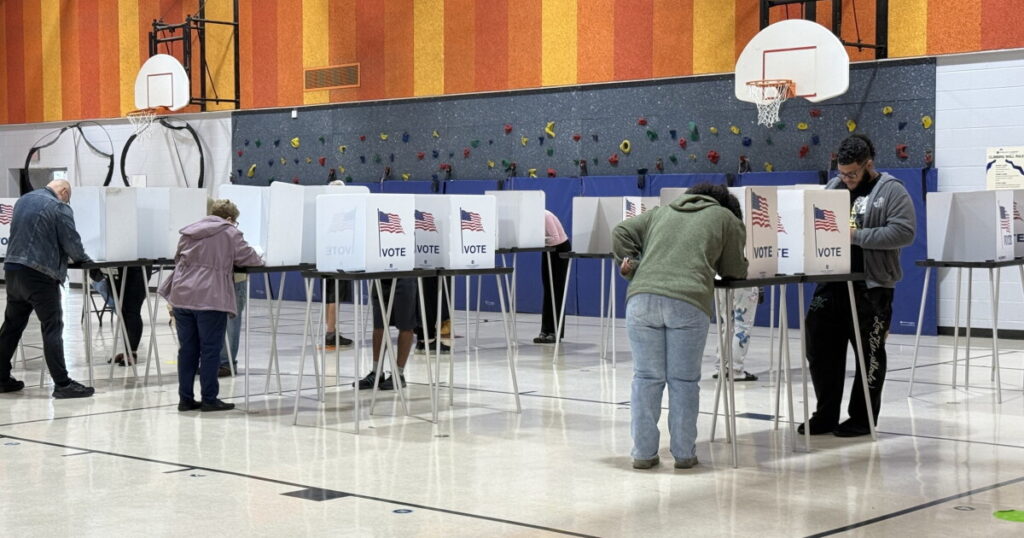
The results of Michigan’s 2026 election have been officially certified, marking the conclusion of the voting process that ended on November 3. The certification was confirmed by the Michigan Board of State Canvassers during a meeting in Lansing.
Jonathan Brater, Michigan’s elections director, highlighted the dedication of local election officials. He stated, “The vote totals on these pages certainly represent the choices of Michigan voters but they also represent the countless hours that local election officials have spent over the past two years and through the post-election canvass period to deliver a smooth, efficient, secure and accessible election experience to our voters.”
Candidates have until 5 p.m. on Wednesday to file for a recount, although the likelihood seems low given the few races with narrow margins. As of Monday afternoon, the Michigan Bureau of Elections had not received any recount requests.
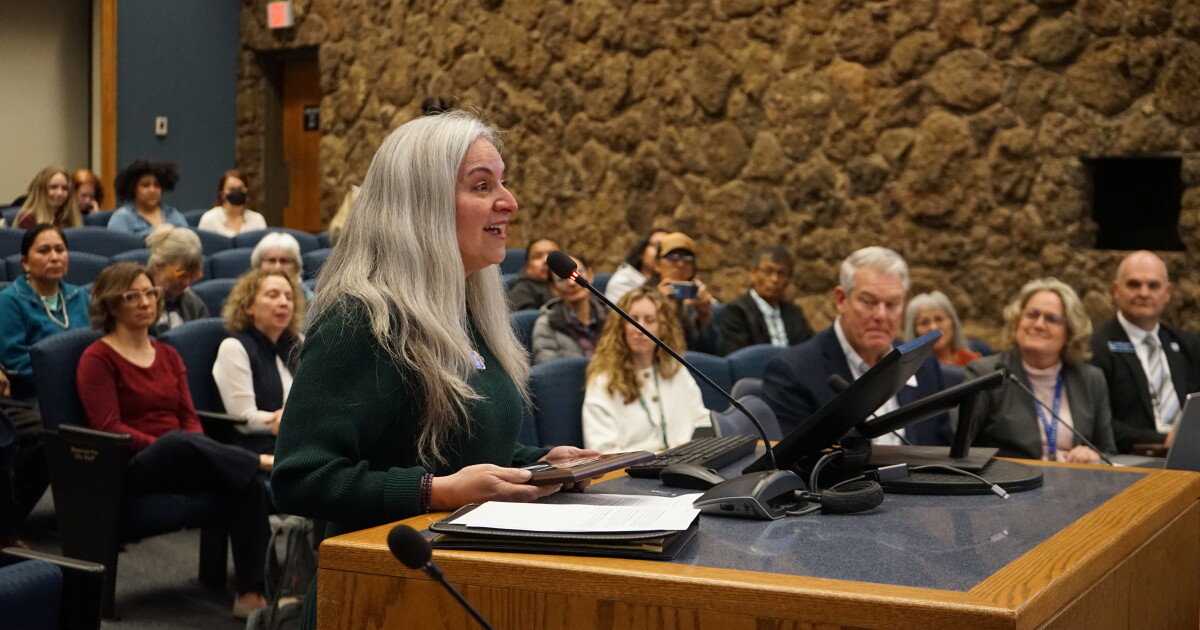
During the meeting, some attendees brought up debunked claims about election security. Former Republican state Sen. Patrick Colbeck, associated with the Stop the Steal movement, expressed concerns about the technology used in polling places but did not allege vote tampering. He commented, “You can’t rule out that it didn’t happen … until you’ve inspected the machines and that’s what certification is all about.”
Election equipment undergoes testing before each election, and the public is often encouraged to observe these procedures. Mary Ellen Gurewitz, Vice Chair of the state canvassers, countered Colbeck’s claims by emphasizing the thorough verification processes, stating, “Our certification is not just a rubber stamp. Maybe it’s time to give it up.”
After the election results were certified by board chair Richard Houskamp, an individual in the audience was removed following disruptive outbursts, including false claims about Sharia law.
The certification opens the door for voter-endorsed campaign finance regulations to take effect on December 3. Proposal 2, as it appeared on the ballot, aims to restrict contributions from publicly regulated utilities and major government contractors. Sam Bagenstos, a lawyer for the coalition behind the proposal, remarked on its impact, “Monopolies that depend on state officeholders can’t contribute to those state officeholders as part of the pay-to-play effort to maximize their profits.”
The campaign finance law is currently facing legal challenges. Public utilities and a free-market think tank have filed lawsuits, claiming the law infringes on free speech rights. They are seeking preliminary injunctions to delay its implementation. While utilities contest the donation restrictions, the Mackinac Center for Public Policy disputes new campaign finance disclosure rules, which are set to take effect in 18 months.
Patrick Wright, a lawyer for the Mackinac Center, argued that the policy’s vague language poses enforcement challenges for Michigan’s Secretary of State and Attorney General. He suggested, “I do think that this process of going through this litigation to clarify what, if anything, some of these terms mean is going to be edifying not just to ourselves but to those offices as well.”
Wright anticipated further developments regarding the legal proceedings in the coming days.
—
Read More Michigan News