Increasing Concerns Over Vitamin K Refusal in Newborns
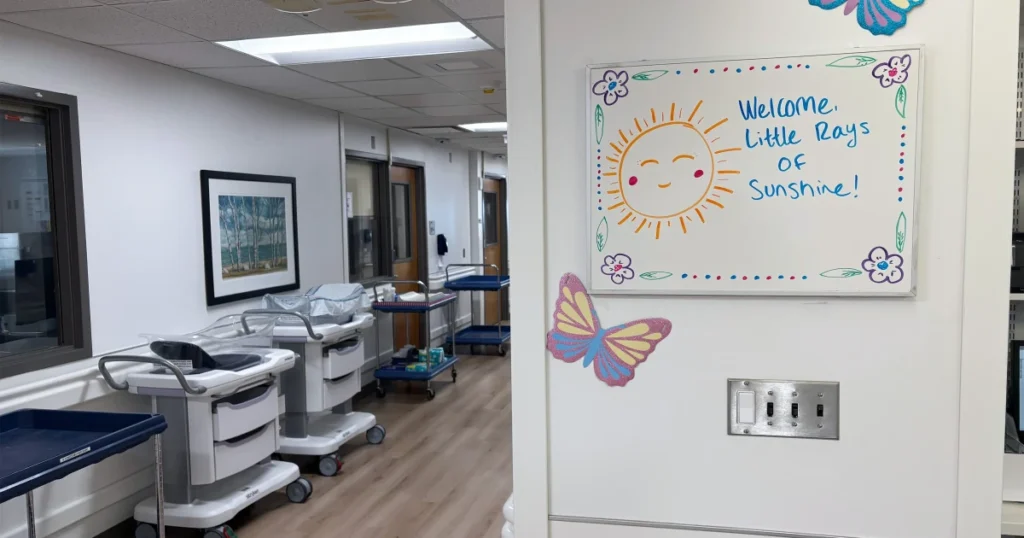
Torrie LeBlanc, a physician at Corewell Health in Grand Rapids, Michigan, is reminded of a distressing incident every time a parent refuses a vitamin K injection for their newborn. The memory of a blood-soaked diaper from a baby who began bleeding uncontrollably the day after birth is hard to forget.
The newborn was rushed to the neonatal intensive care unit as her parents, who initially declined the vitamin K shot, watched in horror. She survived, thanks to the quick administration of vitamin K, a routine injection given to newborns to prevent life-threatening hemorrhaging. If she had been at home, doctors believe she might not have survived.
LeBlanc’s experiences are becoming more common due to an increasing number of parents refusing the vitamin K injection, influenced by growing mistrust of medical practices. The national refusal rate has more than doubled from 3.1% in 2017 to 6.8% in 2025, according to JAMA research.

In response, LeBlanc and her colleagues have worked to lower the refusal rates at their hospital. Although vitamin K refusals have stabilized, refusals for other newborn medications, like the hepatitis B vaccine, are still rising.
Challenging Conversations with Parents
Starting a fellowship in 2024, LeBlanc was determined to address vitamin K refusals. Despite the injection’s effectiveness and safety, some parents remain hesitant. Babies are born with low vitamin K levels, making the shot crucial to prevent serious bleeding, yet misinformation continues to circulate.
Doctors nationwide report seeing more cases of vitamin K deficiency bleeding (VKDB), a condition once considered extremely rare. Without the shot, the likelihood of VKDB increases significantly, putting infants at risk of death or severe brain injuries.
Dr. Solomon Behar, an emergency medicine pediatrician in Los Angeles, recently treated a fatal VKDB case, highlighting the tragic consequences of refusal. “This was something that literally was a historical footnote up until the recent modern time,” he remarked.
The rise in vitamin K refusals parallels the broader trend of vaccine hesitancy, fueled by online platforms and influencers questioning the shot’s necessity and safety.

Secretary of Health and Human Services Robert F. Kennedy Jr., during a congressional hearing, refrained from commenting on the vitamin K shot’s safety, adding to the public’s uncertainty.
To combat misinformation, LeBlanc has developed fact sheets for parents and trained staff on motivational interviewing techniques to improve communication with hesitant families. Despite these efforts, convincing parents remains a significant challenge.
LeBlanc’s team records refusals in the patient’s electronic medical record, allowing pediatricians to address the issue in future visits and ensuring that medical staff are aware of the refusal in case of emergencies.
Seeking Solutions Amidst Growing Concerns
In May, a critical situation arose when a two-week-old baby was suspected of having meningitis. The parents had refused the vitamin K injection, complicating the diagnostic process. Doctors eventually reached a compromise, treating the baby for meningitis without a confirmed diagnosis, and the parents later expressed gratitude for the care received.
The incident highlights the ongoing struggle medical professionals face in balancing parental autonomy with medical necessity. It underscores the importance of clear communication and finding middle ground to ensure the well-being of newborns.

While LeBlanc strives to educate parents and reduce refusals, the task remains arduous. The challenge is to bridge the gap between parental concerns and medical recommendations, ensuring that newborns receive the best possible care.
KFF Health News is a national newsroom that produces in-depth journalism about health issues and is one of the core operating programs at KFF—the independent source for health policy research, polling, and journalism.
Copyright 2026 KFF Health News
—
Read More Michigan News