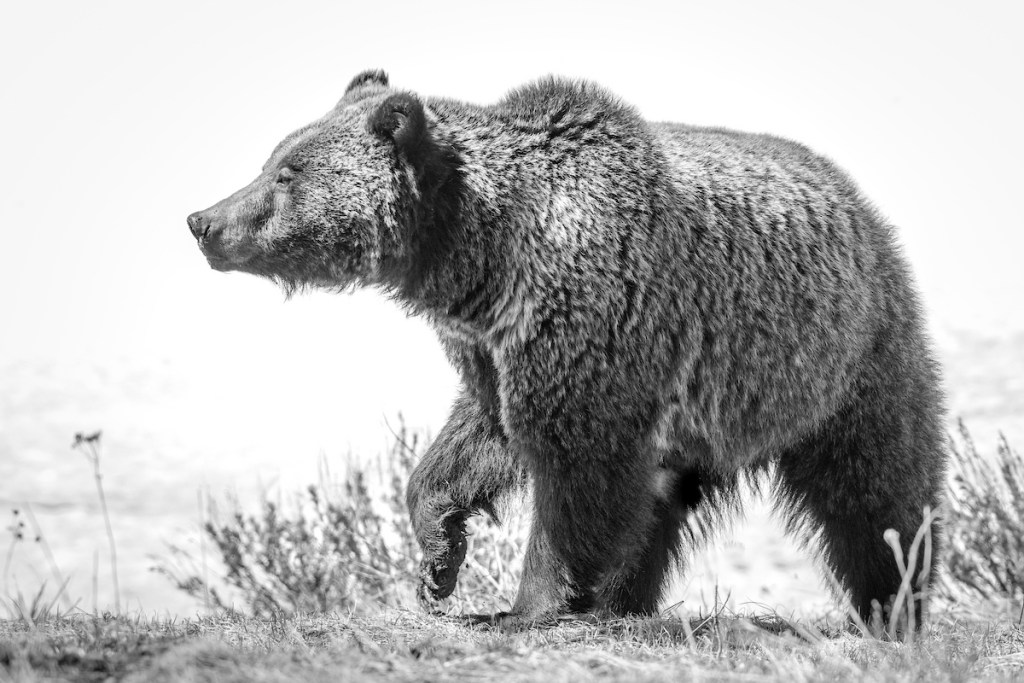

For over six decades, radio-collared grizzly bears have been a focal point of scientific study. The impending decision on their endangered status under the Endangered Species Act adds to the complexity. U.S. Fish and Wildlife Service faces a December 18 deadline to adjust or remove grizzly protections in the Lower 48 U.S. and shift management to state wildlife agencies.
Interior Secretary Doug Burgum announced a shift in grizzly management to state control, previously termed a “dress rehearsal for delisting” by Montana Fish, Wildlife and Parks Director Christy Clark. Meanwhile, the Interagency Grizzly Bear Committee’s Yellowstone Ecosystem Subcommittee met to discuss advancements in grizzly monitoring using radio collars, camera traps, and molecular analysis. These tools are critical in crafting conservation strategies.
FWS Grizzly Recovery Coordinator Hilary Cooley emphasized the importance of interagency collaboration, although no final delisting decision timeline was offered. Grizzly management would transition to states upon delisting, potentially introducing grizzly hunting seasons.
Grizzly populations have risen from fewer than 600 in 1973 to over 2,000 today. The Yellowstone Ecosystem Subcommittee, involving various state and federal wildlife agencies, leads research efforts crucial to grizzly conservation. “The goal of the YES is to move the bear toward delisting,” said Wyoming Game and Fish Director Dan Smith.
Modern technology aids these efforts. Montana FWP biologists use radio collars to track grizzly births, providing insights into health and cub survival rates. Montana State University researchers also analyze bear diets through stable isotopes in grizzly hair.
Photo-based studies in Yellowstone National Park are improving bear population estimates. Camera traps captured millions of images, using AI for analysis, offering a new perspective on bear density. Legal challenges remain a concern, especially with overlapping grazing allotments on public lands, potentially impacting grizzly habitats.
CORRECTION: An earlier version of this article referred to MSU researcher Oliver Dalling. His name is Oscar Dalling. The article has been corrected.
The post Are Greater Yellowstone grizzly bears great enough? appeared first on Montana Free Press.
—
Read More Montana News