Arizona’s Population Growth Set to Influence U.S. Congressional Representation
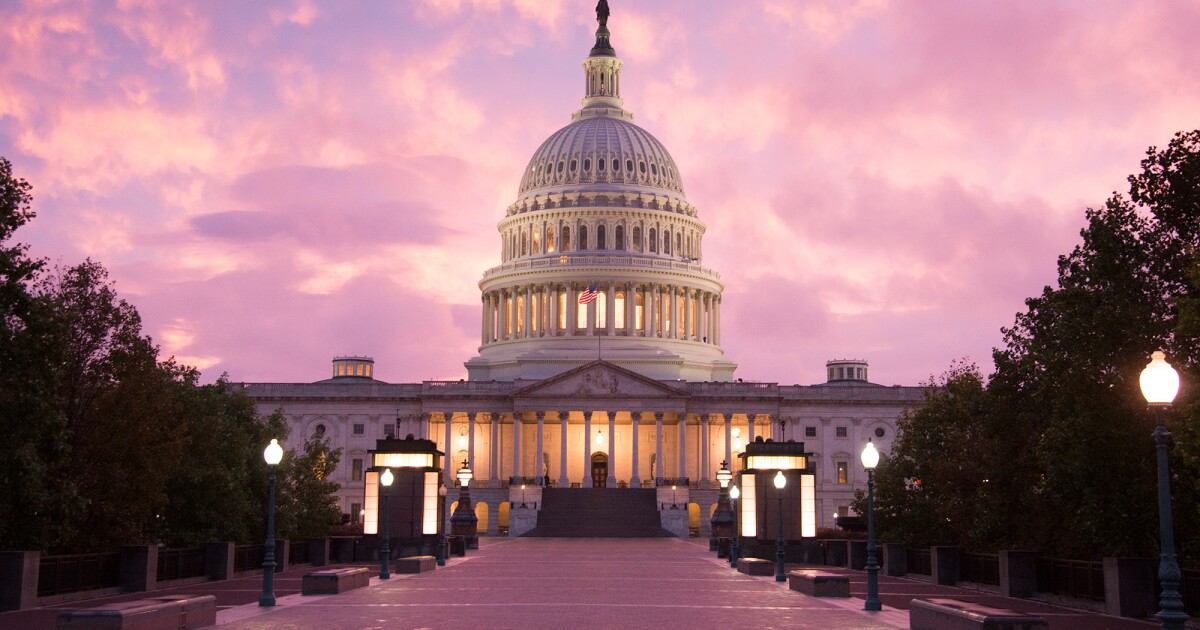
As the 2030 Census approaches, projections indicate a significant shift in U.S. congressional representation, with Arizona poised to gain an additional seat. This anticipated change comes from data compiled by a political consulting firm, suggesting that Arizona’s population will exceed 8.1 million by the next decade.
Currently, Arizona has 11 electoral votes, but with the expected population increase, it is set to rise to 12 by the 2032 general election. Kimball Brace, president of Election Data Services, highlights the trend, noting that “people tend to move to where they become familiar and are comfortable with where they’re going to.”
The state’s population currently stands at over 7.5 million, according to the most recent census figures. While many states are experiencing growth, Arizona’s rate surpasses most, making it a key player in the national political arena.
In the U.S. House of Representatives, the fixed number of 435 seats makes redistricting a competitive process. States with slower population growth will cede seats to those expanding more rapidly. Brace points to five states likely to lose seats: Oregon, Minnesota, Illinois, New York, and notably, California, which could lose two seats.
Arizona isn’t the only state expected to benefit. Idaho is on track to gain a seat, increasing its representation to three. Meanwhile, Texas and Florida are the major winners, each slated to add two seats, bringing their totals to 40 and 30, respectively.
Despite its declining population growth, California will maintain a dominant presence with 50 members in the House, even after losing two seats.
—
Read More Arizona News
![Jody White’s Unconventional Michigan Supreme Court Candidacy Explored[embed]https://www.youtube.com/watch?v=8NfxFIPE4ac[/embed]](https://www.kitchentablenews.org/wp-content/uploads/2026/10/Jody-Whites-Unconventional-Michigan-Supreme-Court-Candidacy-Exploredembedhttpswwwyoutubecomwatchv8NfxFIPE4acembed.com2F842F0e2Fc7223daa43c9876b36a4e00773a42Fme-supc.png "Jody White’s Unconventional Michigan Supreme Court Candidacy Explored[embed]https://www.youtube.com/watch?v=8NfxFIPE4ac[/embed]")