The Colorado River, an essential water source for Arizona, originates far from the sun-drenched deserts it nourishes, starting as snow in the Rocky Mountains. This critical waterway supports both urban areas, like Phoenix, and agricultural lands, but its future is increasingly uncertain amid regional tensions.
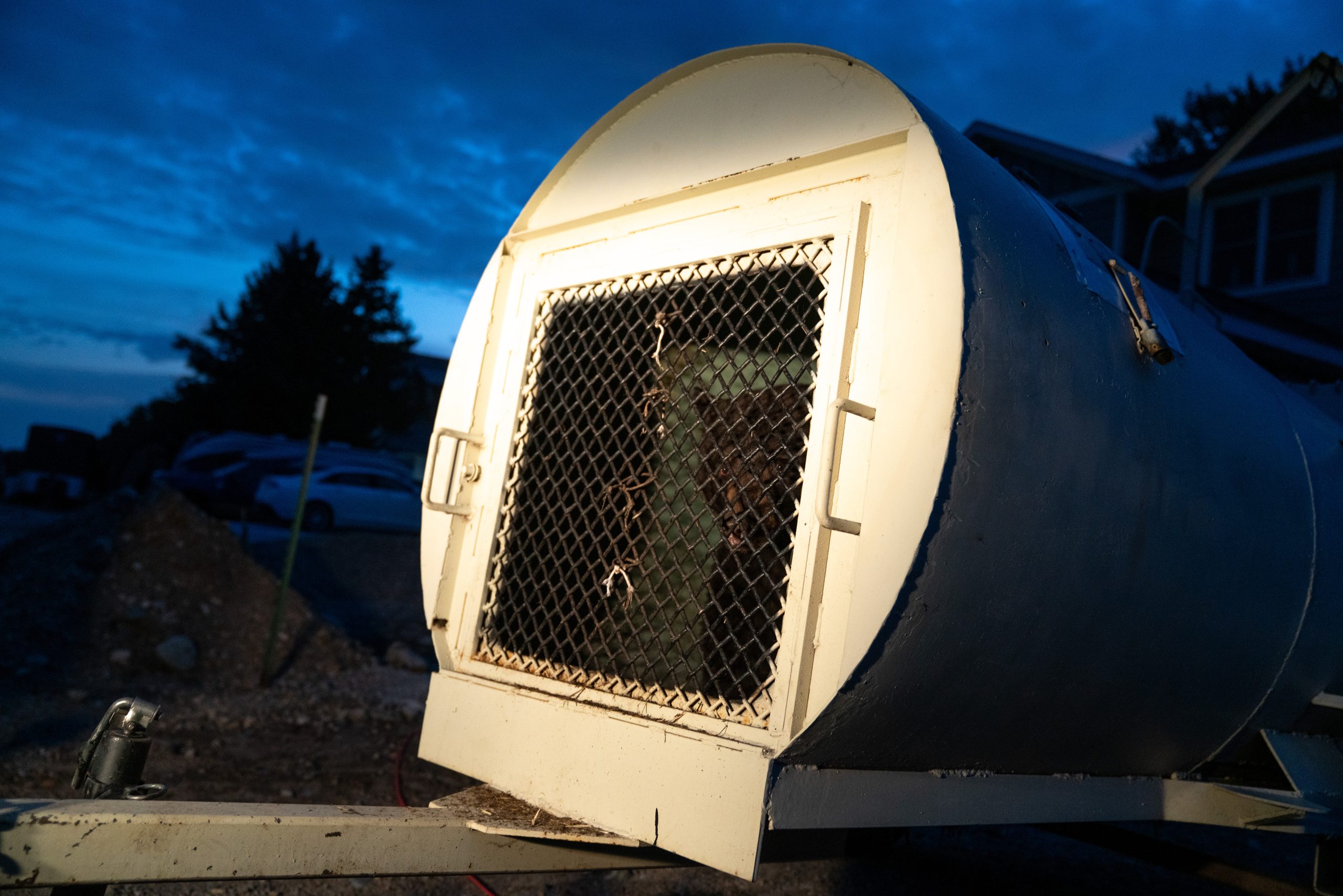
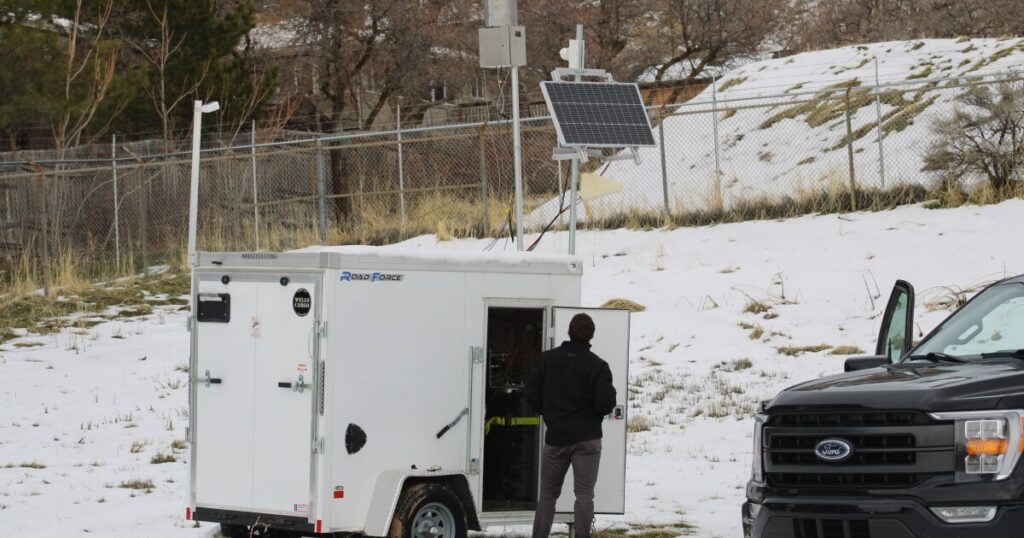
Cloud seeding, a technology aimed at increasing snowfall in the high-altitude watersheds, has been a collaborative effort between several water agencies, including Arizona’s Central Arizona Project (CAP). This process involves dispersing particles into the atmosphere to influence precipitation patterns. However, CAP is reconsidering its involvement due to growing discord among states that rely on the Colorado River.
The Central Arizona Project manages a 336-mile canal system, delivering Colorado River water to Phoenix and Tucson. Since 2007, CAP has participated in cloud seeding efforts alongside water agencies from Las Vegas, Los Angeles, and agricultural districts in Southern California, as well as organizations managing water in the mountainous regions.
Currently, CAP’s commitment to this initiative is uncertain. The recent CAP board meeting highlighted the program as a focal point amid broader water-sharing disputes.
“I know we’ve been funding this for almost 20 years, and now everybody’s trying to cut us off,” expressed Barbara Seago, a CAP board member from Maricopa County. “So my take is, why would we keep funding anything that benefits Colorado if they’re willing to cut us off?”
The division of the Colorado River’s dwindling water supply among seven Western states is particularly contentious. These states are historically split into the Upper Basin—comprising Colorado, Utah, Wyoming, and New Mexico—and the Lower Basin, which includes Arizona, California, and Nevada. Despite prolonged negotiations, these two groups have not reached a consensus on reducing water demand amid drought and climate change.
The federal government’s recent plan to curb water usage could slash up to 40% of the Colorado River water supplied to Arizona, California, and Nevada, with significant reductions anticipated for CAP. The upstream states, however, face no mandatory federal cutbacks.
The reluctance to continue funding cloud seeding reflects tensions over resource allocation. “The Upper Basin has shown a willingness to take our money and our water,” noted April Tornquist, a CAP board member from Maricopa County. “So what can we put into an agreement that is beneficial for Arizona?”
The effectiveness of cloud seeding remains a topic of debate, though its proponents in the Rockies are optimistic about its potential to enhance snowfall where it is needed.
Arizona, California, and Nevada have collectively contributed approximately $1.5 million annually to these cloud seeding initiatives, viewing them as a small but important piece of the complex puzzle of water management in the Colorado River basin.
Nolie Templeton, CAP’s Colorado River policy and analysis manager, explained that while direct links between cloud seeding investments and water supply in Arizona are hard to trace, the overall benefits to the Colorado River system are clear. “If we have more water on the ground in the watershed, then I think everybody in the watershed is going to benefit because more of that water will make it into our rivers and streams,” Templeton said.
The financial contributions for cloud seeding are projected to increase, with a cap of $525,000 per year in 2027, rising to $750,000 by 2036, shared equally between Upper and Lower basin states.
CAP board secretary Karen Cesare likened the situation to a space station, where collaboration occurs despite broader conflicts. “This is the International Space Station of the Colorado River Basin, whereby parties that are otherwise at odds with each other hang out together at the space station for the advancement of science,” Cesare remarked. “We get along great with our Russian cosmonaut buddies up in the space station. Nobody has a problem with that, while we recognize that maybe we have other issues with Russia.”
CAP’s decision regarding its future in the cloud seeding program is expected at the upcoming board meeting in September.
—
Read More Arizona News