Arizona Supreme Court Strengthens Public Records Law Compliance
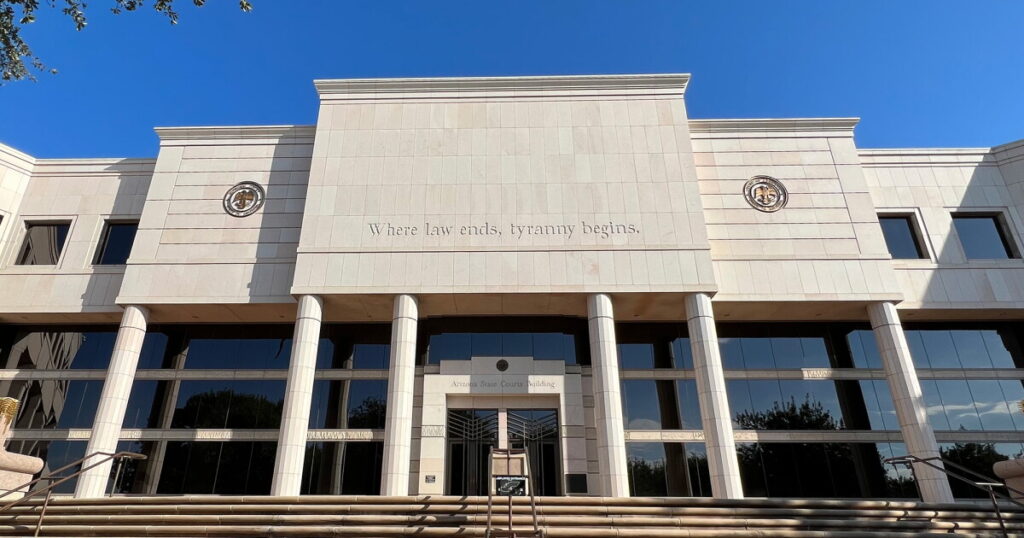
The Arizona Supreme Court has issued a pivotal ruling that reinforces state law regarding the handling of public records. This decision mandates that government bodies may be held accountable, potentially covering legal costs, if they destroy requested documents.
In a decision with broad implications, the court also established new protections for individuals facing bureaucratic hurdles when seeking public records. This includes the possibility of having their legal fees compensated in certain instances.
Justice Clint Bolick, on behalf of the unanimous court, stated that judges should independently assess whether documents are exempt from disclosure, without defaulting to the agency’s judgment. This can involve a private “in camera” review of the documents by the judge.
However, the court also clarified a limitation for those seeking records. Legal fees can only be awarded if the individual files a lawsuit, even if they have already engaged an attorney to obtain the documents.
Bolick acknowledged the potential inequity, noting, “Public entities lack a financial incentive to fully and promptly comply with public records requests about the threat of attorney fees for incorrectly denying the request.” He added, “Members of the public who cannot afford to file a lawsuit may be denied their right to inspect public records.” He suggested that legislative action would be required to address these concerns.
This ruling is particularly relevant to Matthew Abraham, who was denied access to certain records at the University of Arizona after being turned down for specific positions. The case has been remanded to a trial judge to reassess document access using the court’s new guidelines.
Abraham’s records requests were tied to compliance with Proposition 107, which prohibits preferential treatment or discrimination in public employment, education, or contracting based on race, sex, color, ethnicity, or national origin. This measure applies to the state university system.
The ruling identified the destruction of an audio recording by the university as an illegal denial of records. It allows Abraham to potentially recover legal fees for records denied before and after he initiated legal proceedings.
The trial court must now independently verify the public status of the records to decide if Abraham has “substantially prevailed” in his case, which would require the university to cover all legal expenses.
Unresolved issues remain, including Abraham’s claims of unfair promotion denial and the legality of his firing. A hearing is scheduled for November 20 in Pima County Superior Court.
—
Read More Arizona News