Unexpected Floods Offer Temporary Relief to Parched Southwest Reservoirs
Unusual flooding has swept across the U.S. Southwest, bringing much-needed water to reservoirs that have suffered from a prolonged megadrought. Late October and early November storms transformed typically calm or dry creeks into overflowing rivers, impacting local communities and forcing evacuations.
Despite the initial chaos, most of the floodwaters are expected to replenish depleted lakes and aquifers, according to Martin Hoerling, a climate scientist and hydrologist at the University of Colorado, Boulder. “That’s somewhat of an unexpected boost from Mother Nature,” Hoerling commented.
The previous winter’s insufficient snowfall failed to significantly recharge water bodies, but the recent El Niño phenomenon has intensified rain and flooding. Experts predict its effects will continue for months, potentially improving water storage in lakes, aquifers, and snowpack across the West.
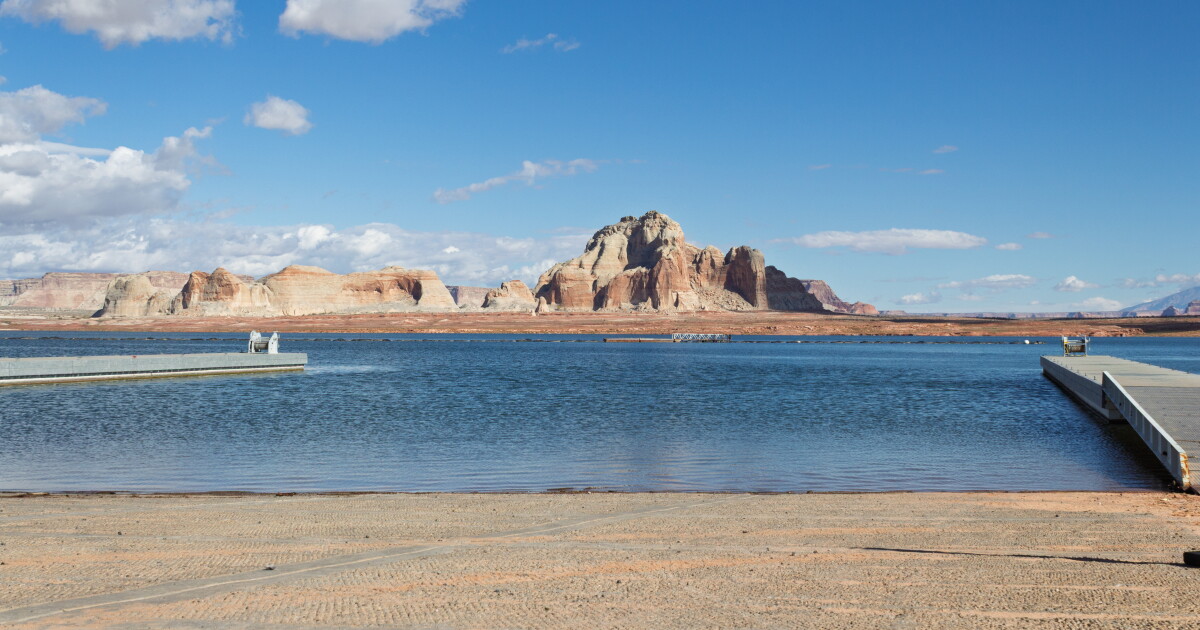
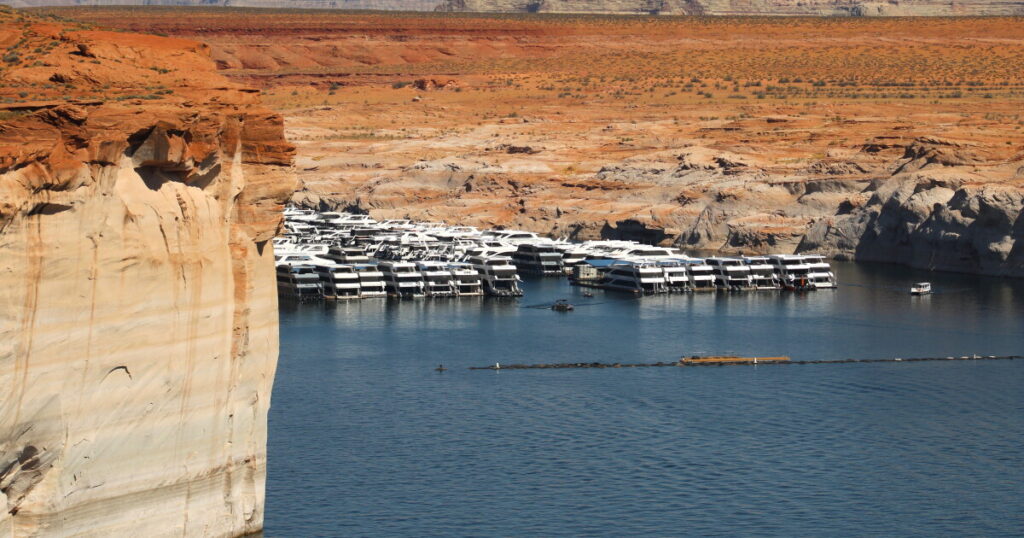
Lake Powell, America’s second-largest reservoir, saw an increase of over 20 feet (6.1 meters) since mid-September, surpassing gains from the year’s snowmelt, according to Hoerling. However, it remains only a quarter full, with most of its boat launches unusable.
Local Water Supplies Receive Boost
Several cities reported record rainfall, such as Pagosa Springs, Colorado, which experienced approximately 7 inches (17.78 centimeters) of rain. Before these storms, over 10,000 residents faced water restrictions, including limitations on restaurant water service, said town manager David Harris. These restrictions have since been lifted. “While the storm was destructive, I think there is a silver lining,” Harris noted, highlighting the positive impact on winter snowpack.
In Northern Arizona, Upper Lake Mary has gained over 3 billion gallons of water since early October, significantly benefiting Flagstaff’s water supply, which relies heavily on underground aquifers, according to Brian Huntzinger, Flagstaff’s water production manager. “It’s just a great, great thing to see,” Huntzinger stated, foreseeing potential overflow before the first snow.
Central Arizona also experienced heavy flooding, affecting streams feeding the Verde River. This led to water releases from nearly full dams into the river’s typically dry metro Phoenix section, explained Bo Svoma, principal meteorologist at the Salt River Project.
Long-term Drought Challenges Persist
Despite the heavy rains, the region continues to struggle with drought, and established water allocations in the Colorado River basin remain unchanged. The U.S. Bureau of Reclamation is waiting to see the peak of the snowpack, typically around April, before adjusting water releases, according to Jack Schmidt, a Utah State University professor specializing in the Colorado River.
In alignment with the federal plan for the Colorado River’s Lower Basin, California, Nevada, and Arizona have agreed to collectively reduce water usage by 1.25 million acre-feet annually over the next two years. This reduction is equivalent to filling over 600,000 Olympic-sized swimming pools. However, Nevada and Arizona are contesting this plan legally.
Some Arizona cities are proactively investing in expanding an existing dam on the Verde River to better capture storm runoff, Svoma mentioned. “We need to figure out how to be resilient in a drier future. And we’re not quite there yet,” Hoerling remarked.
—
Read More Arizona News