Amidst growing concerns over the Colorado River’s dwindling resources, environmental groups are urging a decisive policy shift. This call comes as the federal government introduces a new framework to manage the river’s water supply, affecting millions across several states.
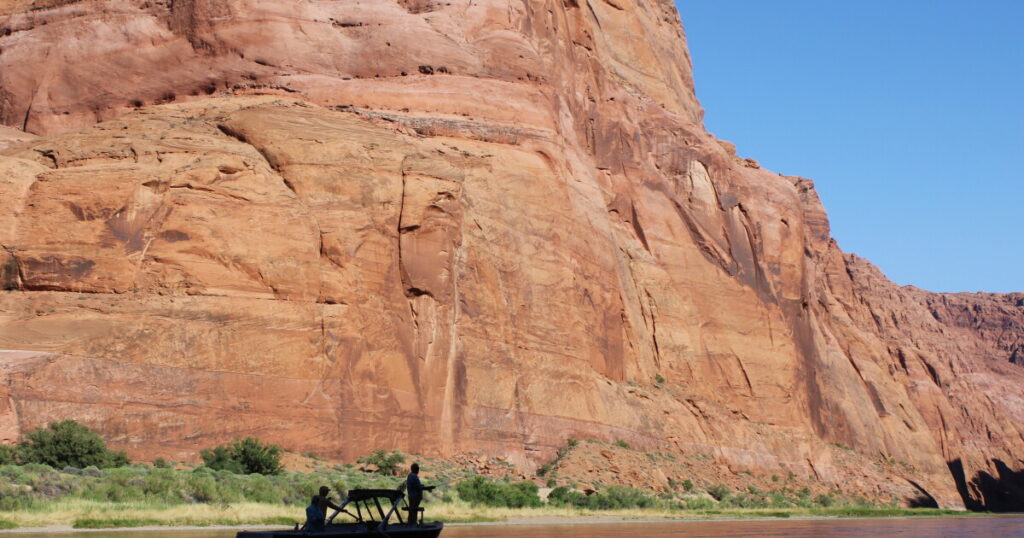
For over two decades, climate change and persistent drought have strained the Colorado River, prompting the federal government to propose a comprehensive plan to curb water demand. Major reservoirs such as Lake Powell and Lake Mead have reached unprecedented lows, raising alarms about future water supply.
Kevin Moran from the Environmental Defense Fund emphasizes the importance of transitioning from a “cycle of depletion and crisis management” to a sustainable approach that involves all sectors and states. “The only way we do that is to work proactively to find ways of using less water across all water use sectors and in all states,” Moran stated.
The coalition of conservation organizations has proposed several measures to ensure manageable water cutbacks. Haley Paul, an Audubon Society water expert, expressed optimism, stating, “I think it can feel overwhelming when we see the headlines. But in the end, we still have agency and we still have choices we can make to improve our water outlook.”
Water reductions will significantly impact Arizona, California, and Nevada, with cities like Phoenix and Tucson bearing the brunt of these cuts.
A crucial aspect of the proposed measures is a collaborative agreement between Arizona, California, and Nevada to voluntarily reduce water usage beyond federal mandates. This initiative aims to alleviate further cuts for Arizona.
Although the details of this plan are outlined, they await finalization and approval from the Arizona legislature, which uniquely holds the authority to do so among the seven river states.
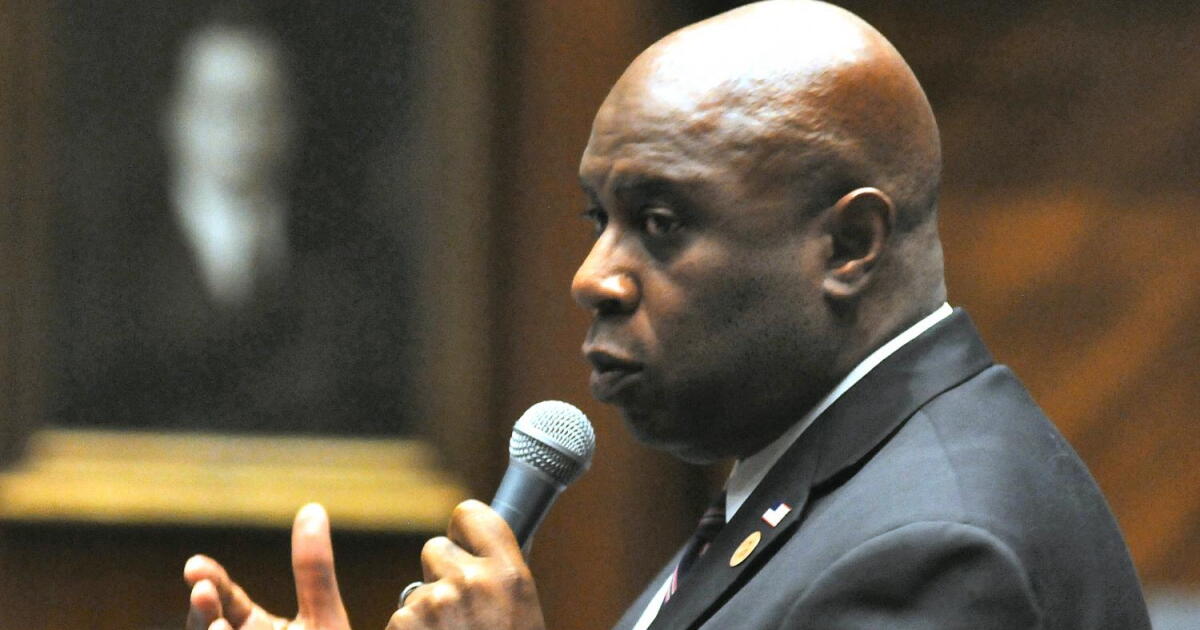
Despite potential political challenges, experts believe legislative approval is likely. However, recent requests from Republican lawmakers for more briefings indicate possible partisan debates ahead. “Going to the legislature is no small act,” Paul noted, highlighting the need for bipartisan cooperation.
Additionally, the coalition is advocating for the Upper Basin states—Colorado, Utah, New Mexico, and Wyoming—to voluntarily implement water-saving strategies, despite not being mandated to do so under the new federal plan.
Federal funding remains pivotal in these efforts, as it incentivizes water conservation across the region. Such financial support has enabled substantial water savings from Wyoming’s farmlands to Arizona’s suburban areas, and is expected to play a crucial role in future conservation strategies. The call for an additional $2 billion in federal drought funding reflects the ongoing need for substantial investment in water sustainability.
—
Read More Arizona News