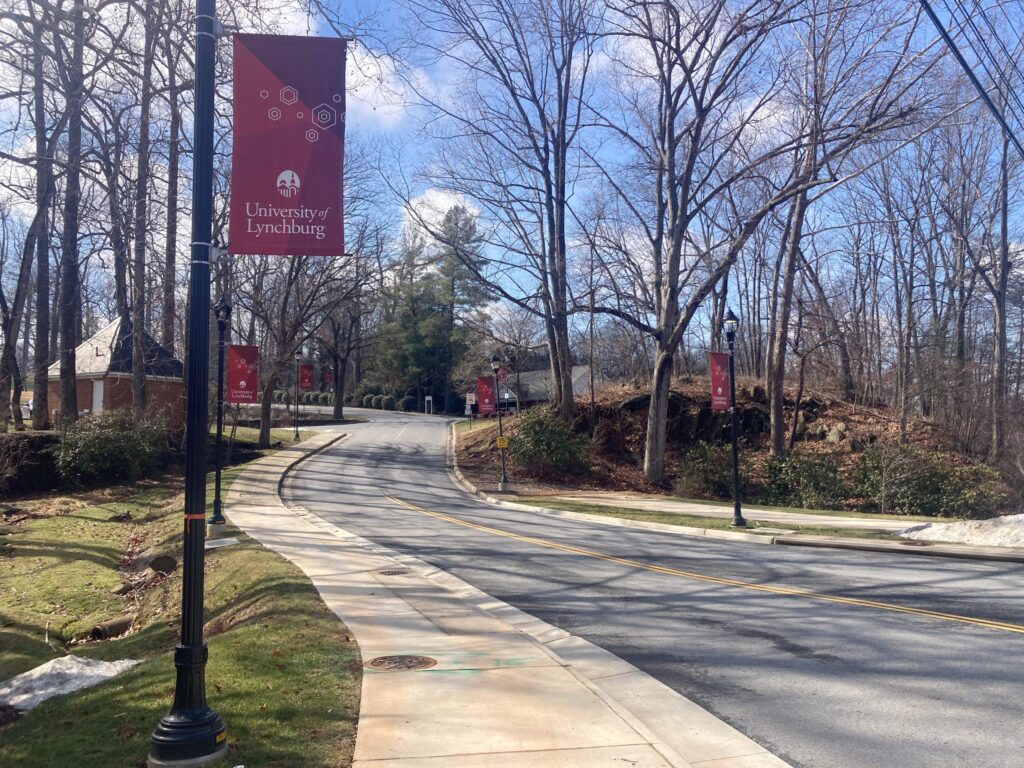
LYNCHBURG, Va. — Nalia Mutz began her freshman year at the University of Lynchburg in 2022, aiming to become a doctor. In 2024, the university cut a dozen majors, resulting in science course shortages essential for her biomedicine degree, potentially delaying her graduation by two years. “It was just a lot of cuts all around,” Mutz, 21, said.
Colleges face financial challenges due to declining enrollment and skepticism about college degrees. Changes in federal policies targeting international students and research funding have worsened the situation. Institutions like Lynchburg, heavily reliant on tuition, are particularly affected. While closures are rare, the surviving colleges might cut programs and staff, impacting students like Mutz.
“The academic literature draws a straight line from student-faculty ratios and advising supports to what that means for students’ likelihood to persist and complete their college degree,” said Justin Ortagus at the University of Texas at Austin.
A new tool, the College Financial Health Tracker, reveals financial stress indicators like enrollment drops and faculty layoffs. Hechinger’s analysis of federal data shows hundreds of colleges struggling with financial stress. About 1,100 out of 1,900 colleges experienced enrollment declines, and 1,500 saw decreased tuition revenue from 2019 to 2024.
Private nonprofit institutions are cutting instructional staff at rates surpassing enrollment drops, leading to larger faculty-to-student ratios. This impacts students’ ability to graduate on time. Faculty layoffs might result in fewer course offerings, and experienced professors accepting buyouts may leave students with less experienced instructors. Tim Gibson, president of Virginia’s AAUP, noted that faculty with fewer protections might hesitate to voice concerns.
Financially stressed colleges, like those identified by Hechinger, are reducing staff and amenities. The University of New Hampshire closed dining halls, cut campus services, and laid off faculty amidst budget cuts. Meredith College and Johnson & Wales University are also facing protests and challenges due to staff reductions.
The University of Lynchburg cut 40 faculty members and programs. Declines in student enrollment have been a significant factor, with public universities seeing notable drops. Lynchburg’s enrollment fell from 3,600 in 2020 to 3,200 in 2024. The school ended four of the last five fiscal years at a deficit, with a $2.1 million loss reported in mid-2025.
Despite efforts to attract international students, Lynchburg faces challenges as federal policies restrict visas. The university launched new programs to boost enrollment, but students like Mutz have transferred due to dissatisfaction with resources. Lynchburg’s financial issues led to a 30% transfer rate in 2024.
Mutz, initially drawn by financial aid, transferred from Lynchburg to Radford University, despite learning that some core courses wouldn’t transfer. “All my friends that I know that went there transferred,” she said. “I don’t know anyone that graduated from there.” Students often first learn news through the student newspaper.
—
Read More Kitchen Table News