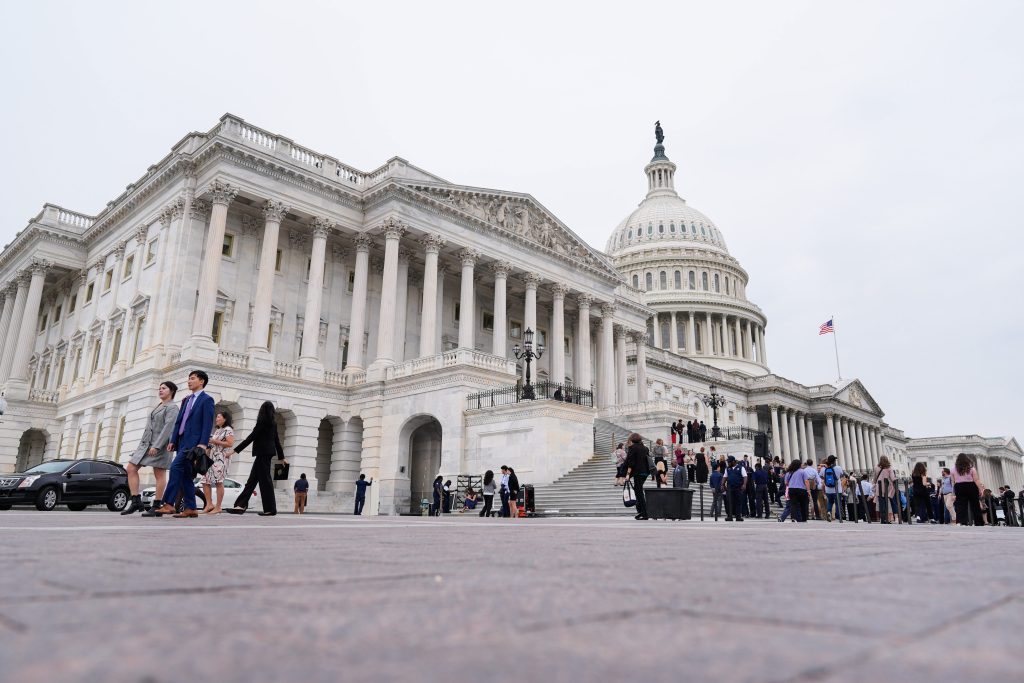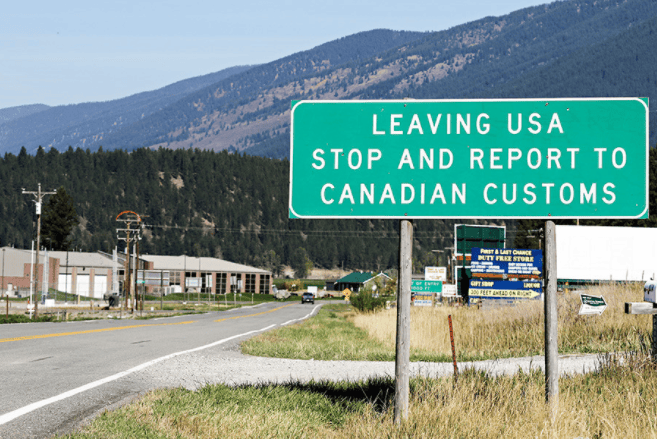
In a bold move to counter U.S. economic policies, Canada announced tariffs on $20 billion worth of American products. This action is seen as a direct response to recent U.S. tariffs on Canadian goods and is likely to have significant repercussions beyond the two countries.
Canada’s Economic Countermeasures
Canada’s new tariffs, which mirror those imposed by the U.S., target a wide range of American exports. These include steel, aluminum, cosmetics, and agricultural equipment, with rates ranging from 15% to 50%. The tariffs impact approximately 6% of the $333.6 billion in U.S. exports to Canada from the previous year.
The Royal Bank of Canada’s economic research division suggests that while these tariffs may not significantly impact the overall U.S. economy, specific sectors could face substantial challenges.
In addition to tariffs, Canada has imposed restrictions on U.S. alcohol sales, leading to a dramatic decline in American spirits exports by over 70%, as reported by the Distilled Spirits Council.
Escalating Tensions with the U.S.
Following the breakdown of trade discussions on August 21, the U.S. administration has intensified its economic pressure on Canada. President Trump has issued threats to Canadian industries, notably expressing intentions to ban Bombardier aircraft sales unless they relocate their manufacturing to the U.S.
“NO MORE SELLING BOMBARDIER IN THE UNITED STATES! Their products aren’t good enough!” Trump declared on Truth Social. He emphasized that if Bombardier wants to access the U.S. market, they must manufacture domestically.
Bombardier’s ties to U.S. industry are significant, as they utilize American-made GE and Honeywell engines and employ thousands of U.S. workers, according to Flavio Volpe of APMA Canada.
President Trump has also resorted to symbolic gestures, such as renaming Lake Ontario to “Lake America,” and has shared a map of North America draped in the U.S. flag, moves that have been met with ridicule in Canada.
Canada’s Strengthened Resolve
The U.S. administration’s measures have led to increased support for Canada’s Prime Minister Mark Carney, with Canadians reducing travel to the U.S. and avoiding American products. Carney’s stance is gaining international attention, positioning him as a key figure in resisting economic pressures from larger powers.
At the World Economic Forum in Davos, Carney cautioned smaller nations against the coercive economic strategies of powerful countries. The international community is closely observing Canada’s approach, which could serve as a model for other nations.
Despite the U.S.’s economic dominance, Canada is leveraging its own strengths. The Canadian economy experienced a robust 3.2% growth rate in the second quarter, outpacing the U.S.’s 1.5% growth.
Future Implications for Trade
With the ongoing trade tensions, the future of Canada-U.S. relations remains uncertain. However, Industry Minister Mélanie Joly expressed confidence in Canada’s ability to prevail, stating, “I’m convinced that we will be able to show the world that Canada will win this trade war.”
—
Read More Michigan News