FAA Ground Stop Causes Lingering Delays at Sky Harbor
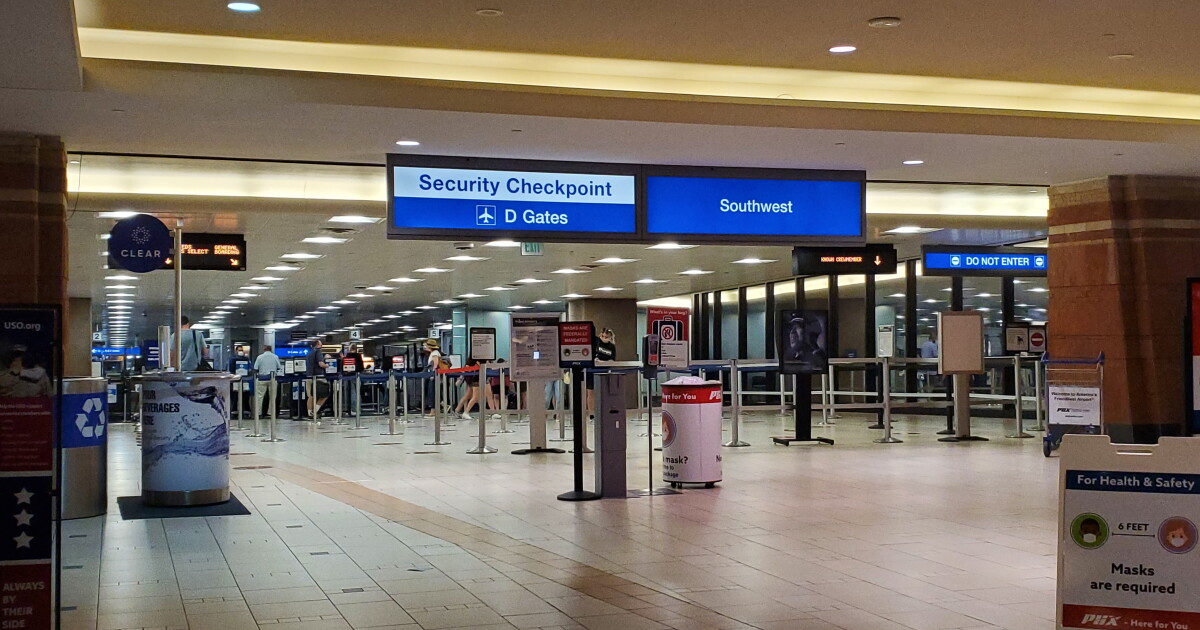
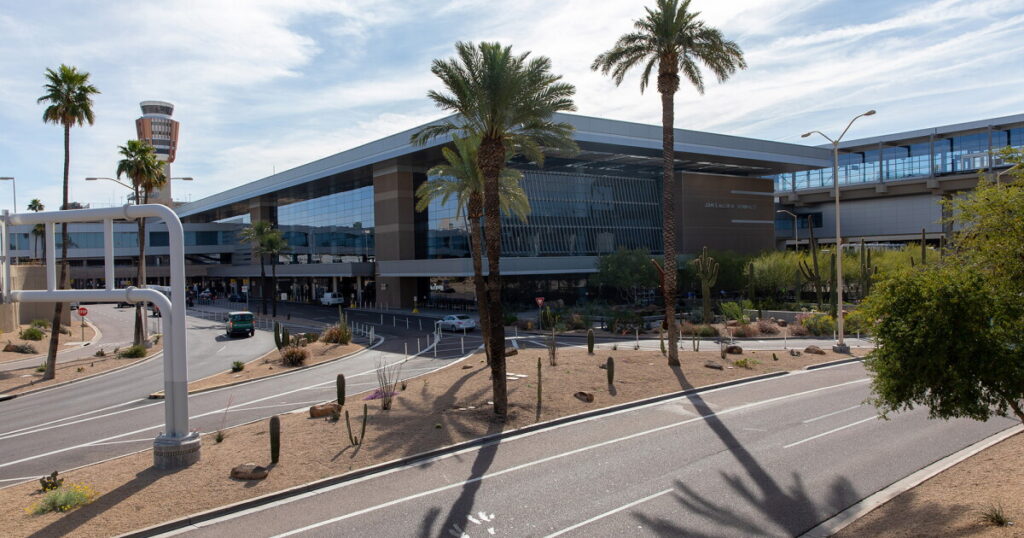
In the aftermath of a nationwide FAA ground stop, airports like Sky Harbor continue to face disruptions. Although Arizona’s airports were not directly affected by the telecommunications failures, flights were still paused as a precaution.
John Keith, a flight instructor and FAA safety representative, confirmed, “There were no radio communications that were lost in Arizona. Other than the feds shutting down the airspace, the communications here at most of the airports — I haven’t heard one in Arizona that had a problem.”
The ground stop was lifted at around 6:15 p.m. Phoenix time, but travelers are advised to verify their flight statuses as airlines work to re-align schedules. Keith noted that while major airports like Sky Harbor are still dealing with the effects, smaller regional airports were less impacted, with some training flights continuing as normal.
“There was still a lot of training flights able to be conducted,” Keith said. “I know Goodyear did shut down. They said, ‘Hey, we’re not gonna let anybody fly.’ That was not the same case at Glendale or Deer Valley or Falcon, they were able to fly. Chandler was also another one that they allowed them to fly.”
Civilian flights have resumed across Arizona, with Keith attributing ongoing commercial delays to scheduling and crew staffing issues. Unlike commercial flights, instructional and private flights follow different protocols, which helped avoid significant delays.
Cary Grant from Embry Riddle’s Prescott campus added, “Something like this with the ground stop, the rolling ground stop — that’s the worst one. You get a delay for three hours, and then four hours, and then five hours and your crews start timing out.” FAA regulations require flight crews to rest after a certain number of hours, exacerbating personnel shortages due to delays.
Unprecedented Ground Stops
The FAA has only implemented a total ground stop twice in the last quarter-century: in 2023 due to technical issues, and following the September 11, 2001 attacks. Dr. Michael McCormick, a former air traffic controller, explained the gravity of such decisions, stating, “Shutting down the airspace is the most significant action you can take and the hardest to recover from.”
The 2023 ground stop was triggered by complications in the FAA’s Notice to Air Mission (NOTAM) system, which provides essential preflight information. “The NOTAM shutdown in January 2023 was actually milder,” McCormick said. “It was not impacting aircraft in the air. There was no loss of communication, no loss of radar surveillance capability.”
Despite the inconvenience to travelers, both Grant and Keith acknowledge the situation could have been worse. Keith remarked, “Looking at what went down, I’m not happy it went down, I’m not glad it went down, but I am glad it went down when it did.”
U.S. Secretary of Transportation Sean Duffy attributed the failure to a maintenance error involving a switch from copper wire to fiber optic, which led to a cascading system failure. Duffy emphasized the complexity of upgrading air traffic control systems, as highlighted by McCormick: “Because you can’t just flip a switch and turn it off, install new hardware and turn it back on again. You have to keep the system running while you upgrade it.”
More details on the maintenance mishap are available from the U.S. Secretary of Transportation.
—
Read More Arizona News