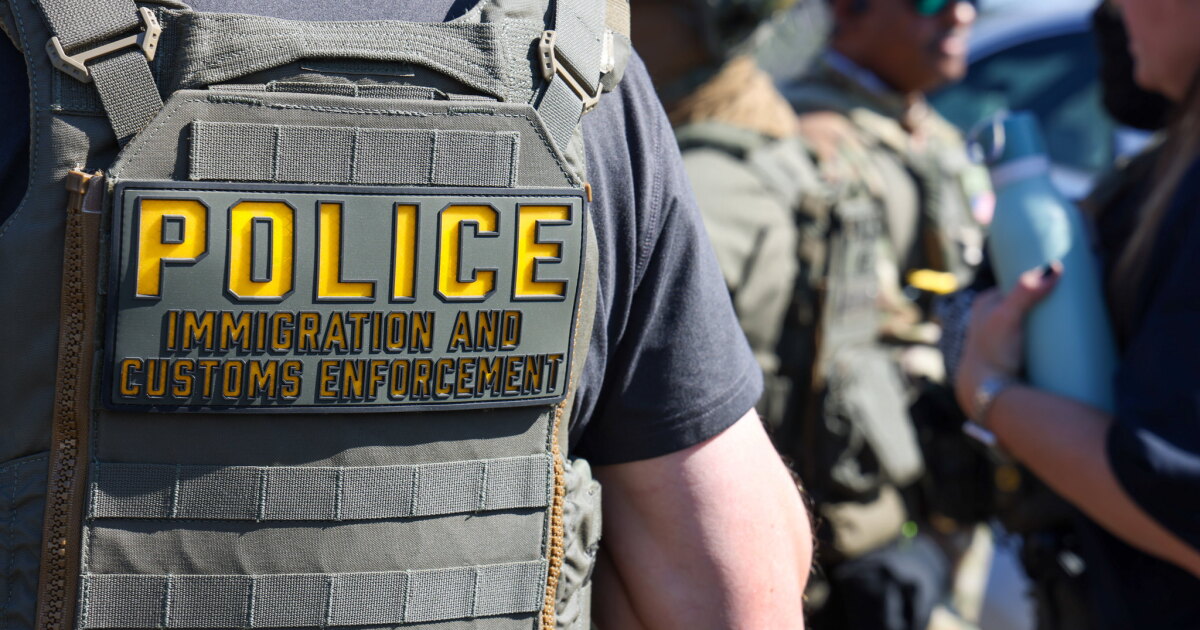


In late September, Livingston, Montana, saw its quiet streets turned into a bustling film set. Movie producers set up barricades for Pawn Shop featuring actors as Antifa rioters and ICE officers. As part of the shoot, the crew detonated a car, drawing significant attention.
The filming quickly stirred controversy both in Livingston and online. Real-life protests soon paralleled on-set riots. The movie, featuring Danny Trejo and Harvey Keitel, was poised as a political flashpoint. The Daily Wire plans to distribute the film on its platform, marketing it as free from “corporate influence and Leftist ideology.”
The debate highlighted Livingston’s lack of preparation for large-scale productions, raising questions about city planning and regulatory processes. “There’s a lot of checks and balances that were missed here,” protester Brooklyn Wilde noted, as local officials and residents called for a review of film regulations.
During the shoot, protester Keegan Nashan rallied locals to disrupt the filming, resulting in heightened tensions. The movie’s controversial script, portraying immigrants negatively, sparked further outcry. Protesters likened it to real-life incidents involving ICE, fueling national debate on immigration and free speech.
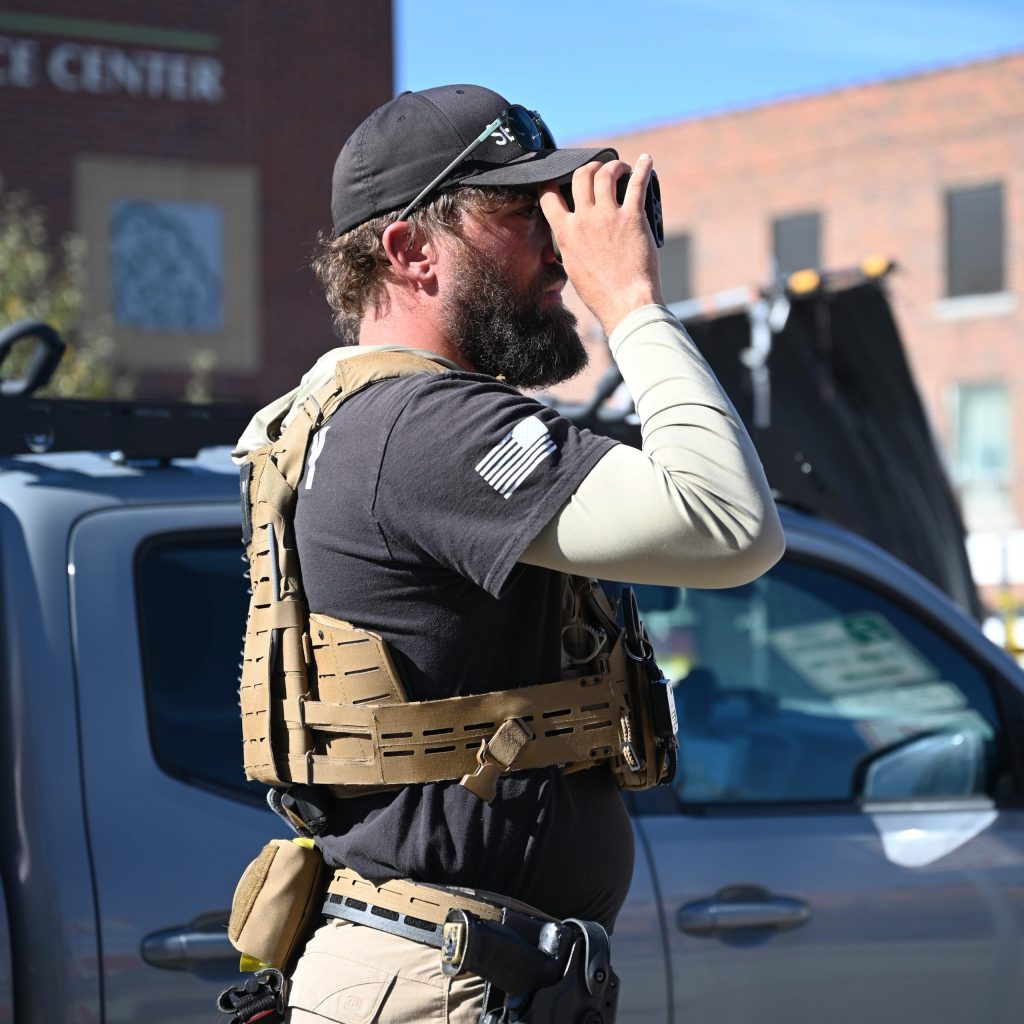
As tension escalated, additional security measures were taken, including the hiring of private armed guards, leading to more community unrest. Protester Quenby Iandiorio criticized the military-style presence, saying, “They exactly resemble ICE patrol.”
Local business people like Tina Kilborn, however, embraced the economic benefits of the film shoot. Despite the chaos, she questioned the backlash, asserting, “This is all pretend. It’s just a movie.”
The production faced logistical challenges, particularly with local nonprofits like the Livingston Food Resource Center, which had to adapt to limited access. Director Kaya Patten-Fusselman expressed concerns, noting, “I had no way of saying, ‘No, you can’t do this.’” The disruption highlighted gaps in notifying residents and ensuring essential services.
The city’s film permitting process came under scrutiny, with comparisons made to more robust systems in other U.S. cities. Livingston faces the challenge of balancing film industry interests with community rights and city infrastructure capacity.
The Livingston City Commission meeting saw heated debates and led to a temporary permit pause, later reinstated under legal threat. The incident underscored the need for clearer guidelines on film permits and community engagement.
City Manager Grant Gager resigned amid fallout, though specific reasons remain undisclosed. The Pawn Shop production has since wrapped, with its future premiere expected to attract further attention.
Despite the uproar, producers claim the controversy drew enough interest to cover the film’s budget. Keegan Nashan regrets the unintended promotion but stands by her actions as necessary opposition.
The episode reveals the complex dynamics between local governance, community sentiment, and the film industry in small towns like Livingston.
The post When a pro-ICE film came to town, Livingston wasn’t ready appeared first on Montana Free Press.
—
Read More Montana News