Grand Canyon National Park Works to Restore Water Supply After Destructive Flooding
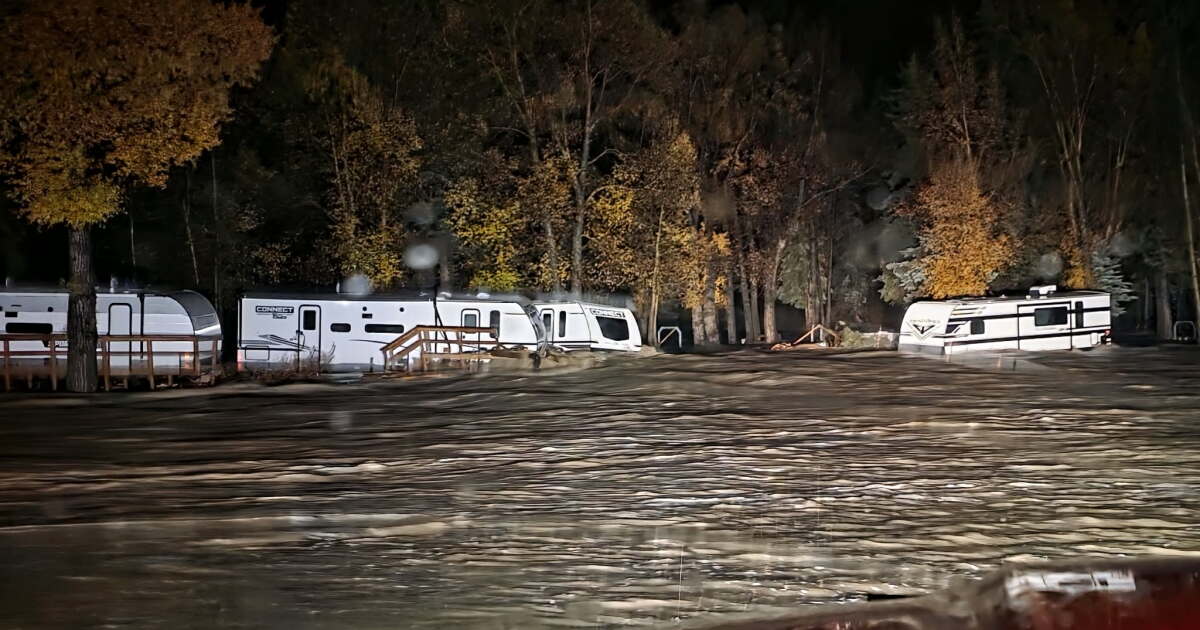
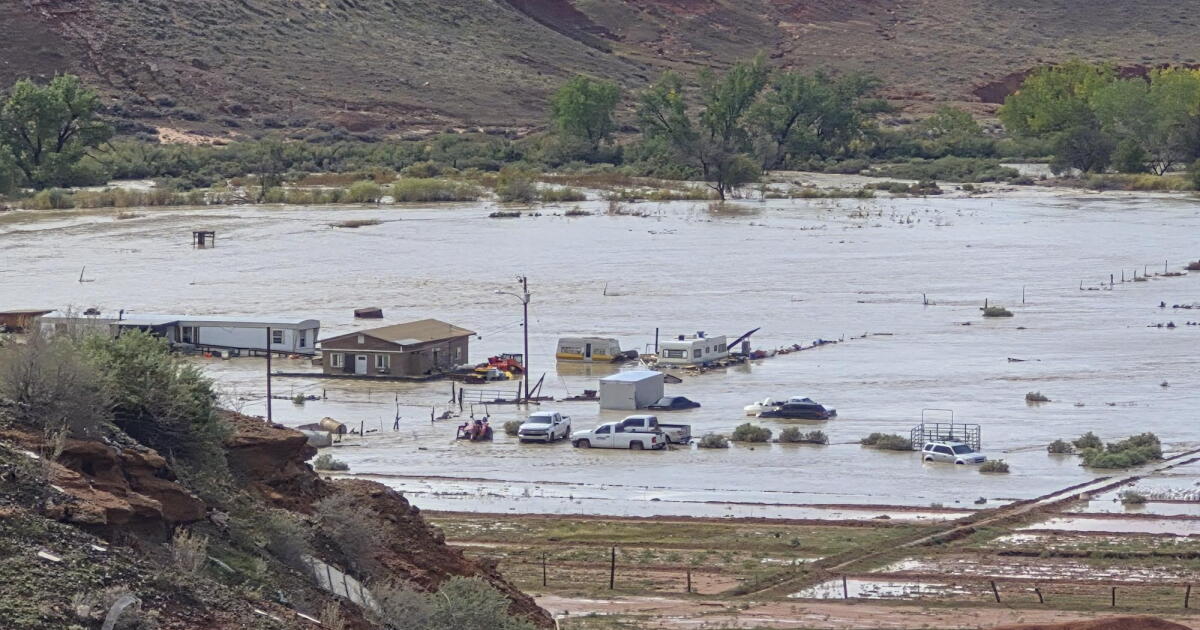
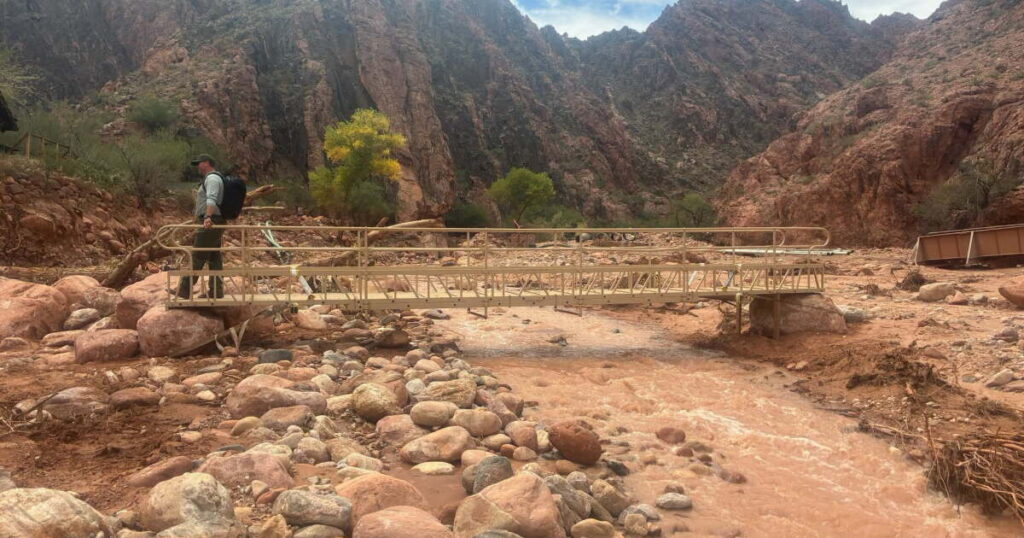
In the aftermath of flash flooding that severely impacted Grand Canyon National Park’s water infrastructure, officials are optimistic about restoring the water supply to the South Rim. The flooding, which occurred on August 29, devastated approximately 40% of the park’s drinking water system.
During a recent community meeting, it was revealed that the flood had not affected the nearly complete replacement of the old Transcanyon Waterline. This new system, a project exceeding $200 million, aims to source water from Bright Angel Creek, moving away from the previous reliance on Roaring Springs located on the North Rim.
Unfortunately, the new intake at Bright Angel Creek was destroyed by the flood. Park officials announced that construction on its replacement is scheduled to begin this week. Park incident commander Dave Black stated, “The temporary intake is being designed to pump approximately 500 gallons per minute, which is the same capacity we had prior to the flood.” This temporary solution will provide a steady water source while permanent repairs are underway.
Although Black did not specify a completion date, he shared that the plan would bypass the need to reconstruct miles of pipeline from Roaring Springs to the South Rim. He remarked, “In many ways, we are accelerating the work that was underway prior to the flood. Based on what we know today, we’re working toward restoring a reliable water supply and in the coming weeks, not months.”
Until the water supply is fully restored, the park has implemented water conservation measures. Residents have successfully reduced water usage more than anticipated. Previously, water storage tanks were depleting by half a foot each day. After conservation efforts tightened, the depletion rate decreased to just over 4 inches per day.
“So what we’re doing is working. This is very significant. Every gallon we can save gives our crews more time to complete the work in the canyon,” said Black. In response to the situation, bottled water distribution began for residents, who were advised to use it for drinking, while tap water could be used for bathing and cleaning tasks.
The park had already escalated to stage 4 water restrictions, which included turning off water taps at campgrounds and suspending overnight stays at park hotels. To further conserve water, officials announced complimentary laundry services for residents.
Additionally, damage assessments at Phantom Ranch revealed that the developed area was largely unaffected by the flooding. Grand Canyon Superintendent Ed Keable expressed condolences, stating, “We lost lives and our deepest sympathies go out to the families of both those we lost and the family of the person we continue to search for.” He praised the efforts of first responders and park leadership who managed the complex incident efficiently.
This was Keable’s first public statement since the flooding, which resulted in two fatalities and one missing person, with search efforts ongoing. At the meeting, Keable disclosed he was dealing with a personal family medical issue.
—
Read More Arizona News