The Grand Canyon’s North Rim, devastated by the Dragon Bravo Fire in July 2025, is at the center of a legislative push to speed up its recovery. However, the region’s businesses, heavily reliant on tourism, are feeling the strain of delayed restoration efforts.
Representative Eli Crane, a Republican from Oro Valley, introduced the North Rim Restoration Act, which passed the House by voice vote in March. This bill seeks to grant the National Park Service emergency contracting powers to expedite the recovery process, including cleanup and infrastructure repairs post-fire. The fire, which ignited on July 4, 2025, was not contained until nearly three months later, after it had razed close to 150,000 acres and destroyed 98 historic structures, including the Grand Canyon Lodge.
The fire also severely damaged water infrastructure, leaving the North Rim without drinking water more than a year later. John Dillon, executive director of the Grand Canyon River Outfitters Association, voiced frustration over the prolonged Congressional response, stating that those dependent on the canyon are “waiting for help.”
“Grand Canyon is the economic epicenter of northern Arizona and southern Utah,” Dillon emphasized, highlighting the adverse effects on businesses when tourism dwindles.
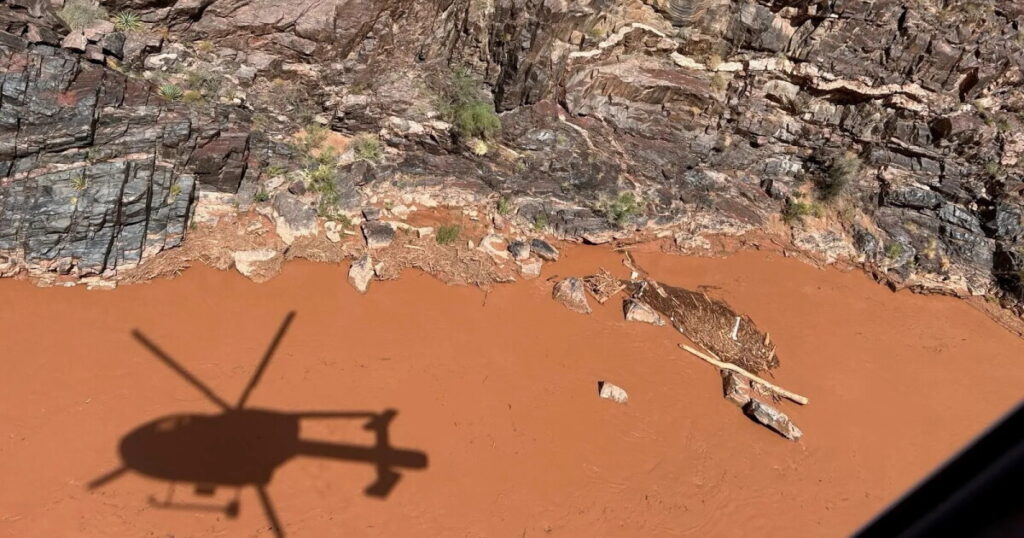
The uncertainty for businesses worsened after a flash flood in August, which claimed three lives. Melinda Rich Marshall, operations manager of Jacob Lake Inn, expressed gratitude for the restoration efforts but acknowledged ongoing struggles, noting significant financial losses since the fire.
Senator Mark Kelly, along with Arizona’s Democratic congressional delegation, has been pressing for additional funds to assist in the park’s recovery following multiple disasters.
The North Rim reopened on May 15, but visitor numbers between May and August were down 54% compared to the previous year, as per NPS data. The Senate Energy and Natural Resources Committee passed the restoration bill on September 30, but further Congressional action is pending post-November elections.
Crane expressed optimism following the Senate committee’s unanimous approval, underlining the measure’s importance for “gateway communities, park staff, and small businesses.”
The Jacob Lake Inn, a family-owned business and self-dubbed “gateway to the North Rim,” suffered financially despite being spared by the fire. Marshall reported a $1.5 million revenue shortfall from July 2025 to August 2026.
The August flash flood compounded challenges by damaging the Transcanyon Waterline and closing the North Kaibab Trail, a significant attraction. Misinformation about the flood’s effects has led to numerous cancellations, Marshall noted.
Marshall fears that prolonged delays in restoration could jeopardize the survival of small businesses in the area. Limited amenities further complicate the situation, with the North Rim offering restricted trail access and no overnight accommodations within the park. Several popular trails, such as the North Kaibab Trail, remain closed, according to Amanda Podmore of the Grand Canyon Trust.
Podmore stated that essential visitor services, including restaurants and permanent bathrooms, still require restoration. She sees the North Rim Restoration Act as a crucial component in the recovery toolkit.
The August flood further hampered the park’s recovery, shifting focus to dual disaster responses. Molly McKee, co-owner of Above and Beyond Grand Canyon Tours, noted lower bookings and the logistical challenges of bringing drinking water into the park daily.
The NPS has opened public commentary on the restoration plans as of October 6. Meanwhile, Marshall remains hopeful for a constructive role in the rebuilding process, emphasizing the importance of community involvement.
Grand Canyon National Park officials aim to restore water service to the South Rim by Nov. 16 and to residents by Thanksgiving. Concessionaires would then begin a phased reopening of overnight lodging.
—
Read More Arizona News