Flagstaff’s Killip Elementary Faces After-School Program Cuts Amid Grant Reductions
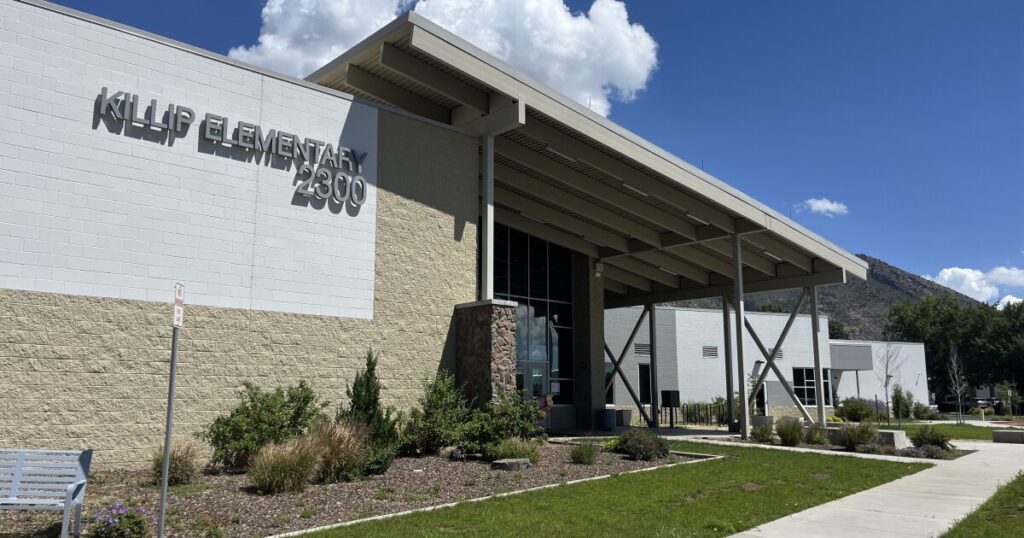
As students in Arizona return to their classrooms, many face new challenges outside school hours. Killip Elementary in Flagstaff is grappling with the sudden loss of funding for its once-free after-school programs.
For nearly three decades, the 21st Century Community Learning Centers grant has bolstered Killip by providing free after-school activities for children whose parents are unable to pick them up immediately after the school day ends. This year, however, the school was not selected to receive the grant, leaving families to shoulder additional financial burdens.
Principal Joe Gutierrez explained the implications: “If families cannot afford the $8 an hour, and there’s a $50 registration fee, they won’t be able to participate. So, a lot of times families are just left off the block because of affordability.” He further noted the challenge for parents who might need to adjust work schedules to accommodate earlier pick-ups.
The loss means potential cuts to cherished after-school clubs, including basketball, art, and chess. “Students whose parents live paycheck-to-paycheck, they don’t have the opportunity to afford extracurricular activities. So we have orchestra, chess. Chess is huge here at Killip and has been for years,” Gutierrez stated.
The Arizona Department of Education has historically distributed around $25 million annually through this grant program. However, this year, the funds shrank significantly. Last year, $33.8 million was awarded to 38 school districts and organizations, while this year, only $11.7 million was allocated to 19 districts. The reduction is partly due to a decrease in federal funding and the need to honor previous multi-year commitments.
Doug Nick, a spokesperson for the Arizona Department of Education, noted, “Schools are to ensure they have community partnerships and other supports to run programs when the grant period ends, as there is no guarantee that a previously awarded program will score high enough in a subsequent competition to receive a new grant.”
Yet, for schools like Killip, this expectation of financial self-sufficiency poses a significant challenge. Jamie Bjune from the Prescott Unified School District’s Grants Department echoed this sentiment, expressing skepticism about the feasibility of sustaining such programs without grant aid.
Gutierrez emphasized the role these grants play in supporting rural communities, noting the lack of corporate sponsorships that larger metropolitan areas like Phoenix or Tucson might enjoy. “When you look at metropolitan areas like Phoenix, Tucson, they have businesses [that often support schools]. You know, you’ve got your Intels, you’ve got your Motorolas, you’ve got that type of support that you can lean on. Flagstaff is pretty minimal in those sorts of things.”
Killip Elementary’s experience highlights the broader issue of funding disparities in educational programs, particularly in rural settings, and raises questions about the sustainability of essential after-school activities without consistent grant support.
—
Read More Arizona News