Resilient Cacti: Nature’s Indicators of Ecosystem Health
Deep within the Colorado Plateau, a group of resilient plants, known as Pediocacti, thrives amidst the harsh conditions of high elevations, where drought and extreme cold are the norm. Among these, the Paradine Plains Cactus has emerged as a significant indicator of how ecosystems withstand the impacts of wildfires.
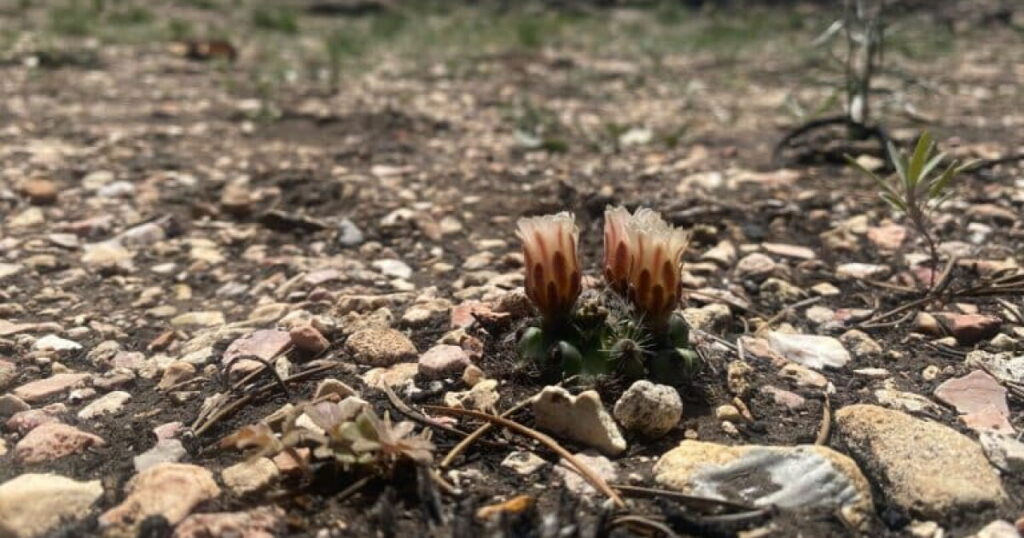
This particular cactus species is native to the Kaibab Monocline region, primarily found in the transition zone between the high desert sagebrush and ponderosa pine forests. Despite being classified as a species of special concern, these cacti play a vital role in their ecosystem, particularly during spring when they bloom early and support pollinators. A unique survival trait of these cacti involves retracting their stems into their roots during prolonged dry periods.
Following the White Sage fire in the summer of 2025, which occurred north of the Grand Canyon, ecologists from the Center for Adaptable Western Landscapes at Northern Arizona University conducted surveys in the severely burned areas to assess the survival rate of these rare plants.
Amidst the charred landscape, the scientists discovered an astonishing survival rate among the cacti, with around 80 percent enduring the fire’s devastation. However, it was noted that in areas subjected to the most intense heat, approximately half of the surviving cacti exhibited signs of fire damage.
The ongoing monitoring of the Paradine Plains Cacti is crucial, as their health and survival provide insights into the resilience of the broader ecosystem facing increasing wildfire occurrences. With their distinctive yellow flowers, these cacti serve as a vital environmental indicator, akin to the historical use of canaries in coal mines.
This report was supported by Pink Jeep Tours and crafted by Diane Hope, produced by KNAU and the Sustainable Communities Program at Northern Arizona University.
—
Read More Arizona News