Potential Rabies Outbreak Concerns Arise After Bobcat Attacks in Arizona
A series of aggressive encounters involving a rabid bobcat near Prescott, Arizona, has prompted warnings from the Yavapai County Sheriff’s Office about a potential rabies outbreak. The recent attacks have left residents and officials on high alert as efforts to manage the situation unfold.
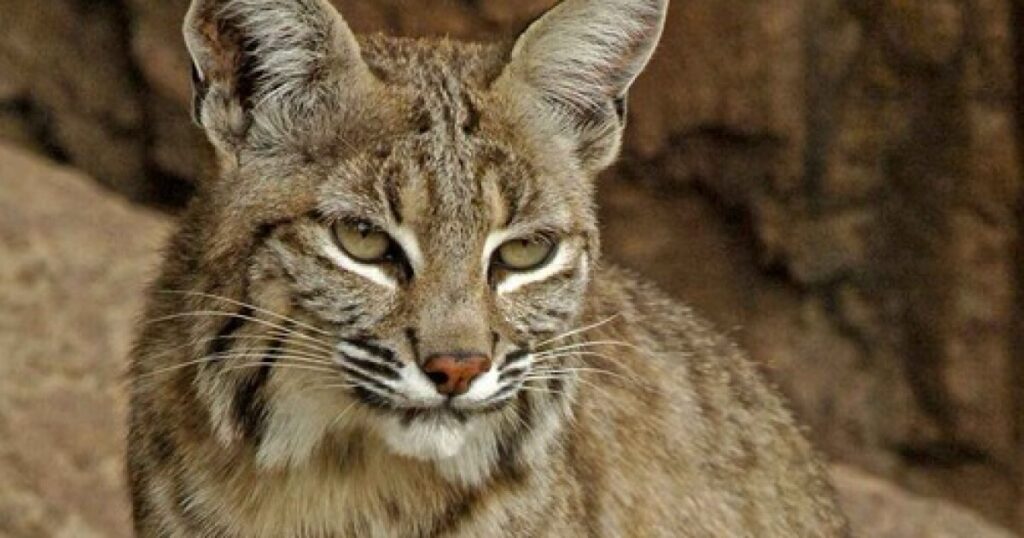
Authorities reported that over Sunday evening and Monday morning, a rabid bobcat was responsible for attacking three individuals and three dogs in the Williamson Valley region. In a notable incident, a German shepherd named Moses bravely defended its owner, ultimately killing the bobcat despite sustaining injuries that are currently being treated by a veterinarian.
The human victims involved in the attacks are receiving medical care for their injuries, which include cuts and bites. Another attack involving a dog was reported, but further information is still pending. Residents whose pets might have encountered a bobcat in the Williamson Valley area are urged to contact the Arizona Game and Fish Department.
The infected bobcat has been confirmed to test positive for rabies, with state wildlife managers conducting investigations into whether there is a broader outbreak. Such aggressive behavior is considered highly unusual, and it is suspected that the same bobcat was involved in all the incidents.
According to Game and Fish wildlife veterinarian Ann Fan, “In Arizona, the principal rabies hosts are bats, skunks and foxes, although other mammal species like bobcats and coyotes may carry rabies as well.” She further explained that increased rabies activity within these species can affect other mammals, including domestic animals.
Rabies is a viral disease preventable through vaccination, transmitted mainly through bites from rabid animals. Immediate medical treatment is recommended for anyone bitten or scratched by wild animals, including receiving an anti-rabies vaccine. Fan notes, “The weather is warming up and people are outside. At this time of year, we often see an uptick in the number of wildlife submitted for rabies testing as a result of contact with people or their pets.”
Officials emphasize that the recent attacks highlight the importance of avoiding feeding wildlife, which can contribute to such dangerous encounters.
Meanwhile, meteorologists caution that Arizona’s drought conditions are expected to escalate, following significantly below-average snowfall in the Flagstaff area, which could further influence wildlife behavior.
—
Read More Arizona News