Legislative Move Aims to Exclude Prescribed Burns from Pollution Limits
Efforts to prevent wildfires could soon receive a legislative boost, as a new bill proposes to exempt certain types of controlled burns from being counted against state pollution limits. This move comes amid increasing recognition of the role prescribed burns play in managing wildfire risks and promoting ecosystem health.
Arizona Senator Mark Kelly, along with five other senators, has introduced the Wildfire Emissions Prevention Act. This bipartisan proposal seeks to amend the Clean Air Act, allowing prescribed and cultural burning to be classified as events that do not contribute to a state’s pollution cap. The bill’s proponents argue that this change will enable more effective fire management and resource allocation by state agencies.
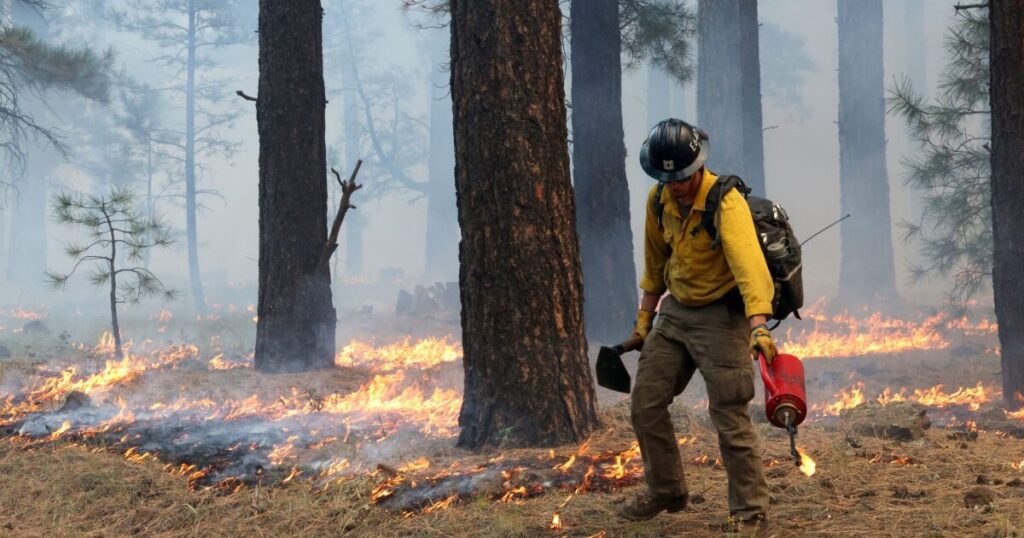
Prescribed burns are a crucial tool for fire departments and local authorities, as they help reduce the accumulation of dead vegetation, which can fuel larger wildfires. Indigenous communities also utilize controlled fires for both ecological and cultural purposes. However, current regulations under the Clean Air Act can penalize states for such practices, as they are considered “human-caused” pollution events.
Senator Kelly emphasized the importance of the legislation, stating, “Arizona knows the damage catastrophic wildfires can do to our communities and forests. Prescribed burns are one of the best ways to reduce that risk before a fire gets out of control, and states shouldn’t be penalized for taking action.” The proposed amendment aims to support proactive fire management without the risk of penalization.
Meanwhile, fire management strategies across various regions continue to adapt to changing conditions. The Bureau of Land Management announced the lifting of seasonal fire restrictions for public lands across several counties in Arizona and parts of California. Additionally, the Grand Canyon National Park has implemented Stage 1 fire restrictions, permitting campfires in designated areas, while increased moisture has led to the removal of fire restrictions in the Apache-Sitgreaves National Forests.
Despite these measures, fire risks remain, particularly with monsoon activity picking up. The state’s largest fires, the Sycamore and Pocket fires, are nearing containment, though officials caution that the risk persists. Neighboring states like Colorado and Utah face challenges, as nearby fires impact tourism and air quality with drifting smoke.
For further details, visit KJZZ.
—
Read More Arizona News