Waymo’s Strategic Move: Expanding Testing Grounds in Arizona
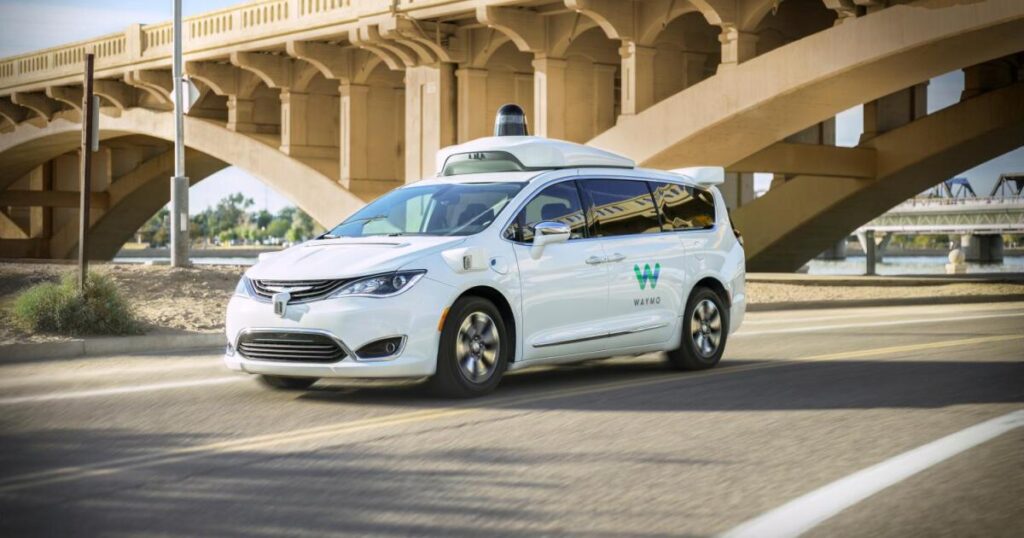
In a notable expansion, Waymo has set its sights on Arizona, acquiring a significant land parcel to bolster its autonomous vehicle testing capabilities. The acquisition involves a substantial 5,500-acre tract in Wittmann, located northwest of Phoenix, purchased for $220 million from Route 14 Investment Partners LLC.
Waymo intends to use this newly acquired land to test its fleet of robotaxis. The site is not unfamiliar with vehicle testing, having been previously utilized by industry giants Chrysler and Apple. This strategic move comes after Waymo’s decision earlier in May to suspend its freeway services in Phoenix, indicating a shift in focus to developing and refining its technology in controlled environments.
In a social media post, Waymo acknowledged the value of the purchase, stating, “This investment gives our teams dedicated urban and freeway tracks to validate software in a controlled setting before deploying on.” This statement underscores the company’s commitment to ensuring the reliability and safety of its autonomous vehicles before they hit public roads.
The Wittmann site is set to complement Waymo’s existing testing locations in California and Ohio, providing a diverse range of conditions for comprehensive software validation.
-
The backdrop to these developments is a potential strike by Sun Tran and Sun Link drivers, who have long voiced concerns about their work conditions.
-
Under Arizona law, altering or removing political signs without proper authorization is a misdemeanor, highlighting the legal responsibilities in political campaigning.
-
Drivers in Phoenix should be wary of the city’s 17 photo safety cameras, which have led to numerous traffic citations for speeding offenses.
-
The population boom in some Arizona towns, with growth rates reaching 126% between 2010 and 2020, has led to increased demands for infrastructure development.
-
Extreme heat poses risks on highways, turning minor vehicle breakdowns into emergencies, with issues like flat tires and dead batteries becoming more prevalent.
—
Read More Arizona News