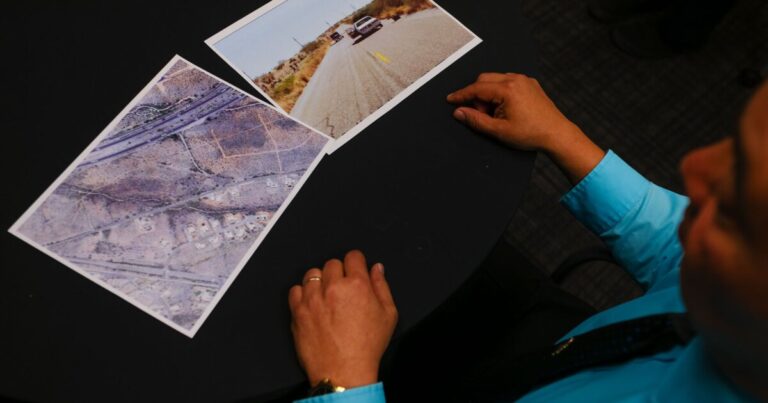
New DNA Tech Revives 1970s Cold Case of Unidentified Tucson Victim
The Pima County Sheriff’s Department is revisiting a 1970s cold case using new DNA technology to find leads.

The Pima County Sheriff’s Department is revisiting a 1970s cold case using new DNA technology to find leads.
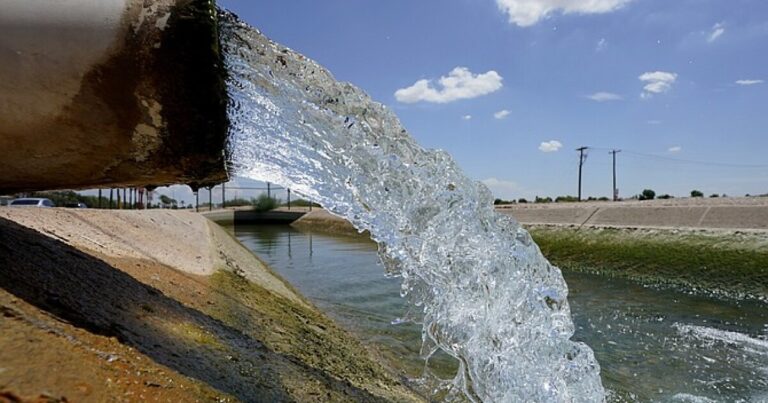
Arizona plans to use taxpayer money to develop desalination projects, aiming to secure new water supplies by 2030s.
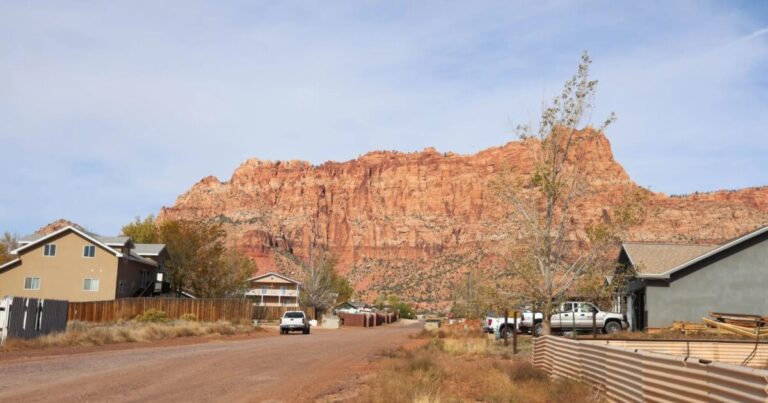
Cascading red rock faces enclose Short Creek, known for its polygamist history and now a measles outbreak hotspot.

California was the first state to offer an FDA-approved at-home cervical cancer test, now available in Arizona too.
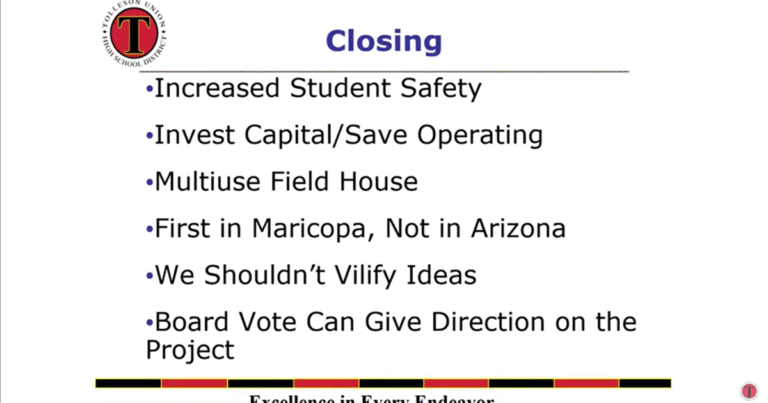
The Tolleson school board rejected an $80M domed stadium, opting instead for a less costly uncovered facility.
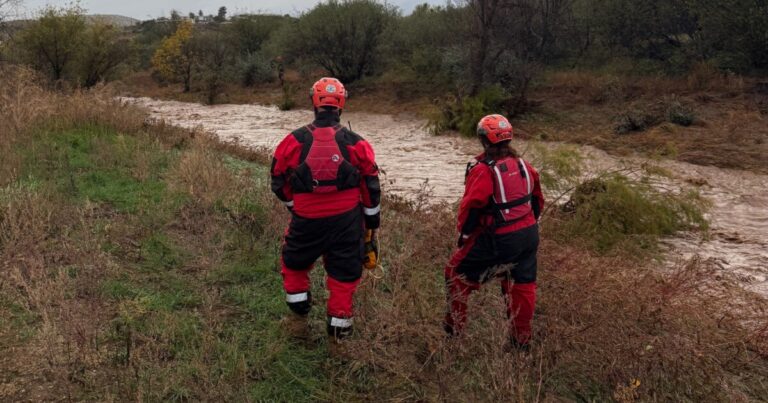
A man was rescued and another remains missing after a flash flood swept away a car in Cordes Lakes, Arizona.
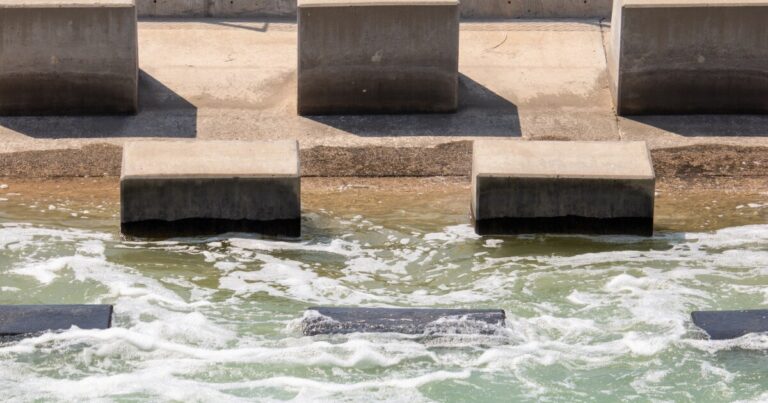
Arizona’s Water Infrastructure Finance Authority considers desalination projects to boost water supply amid funding debates.

In 2013, hiker Gary Hartley found fossilized mammoths in New Mexico. Dating suggests they were butchered 37,000 years ago.

The House passed a bill to release Epstein files, with Trump backing it despite prior opposition. Senate action urged.
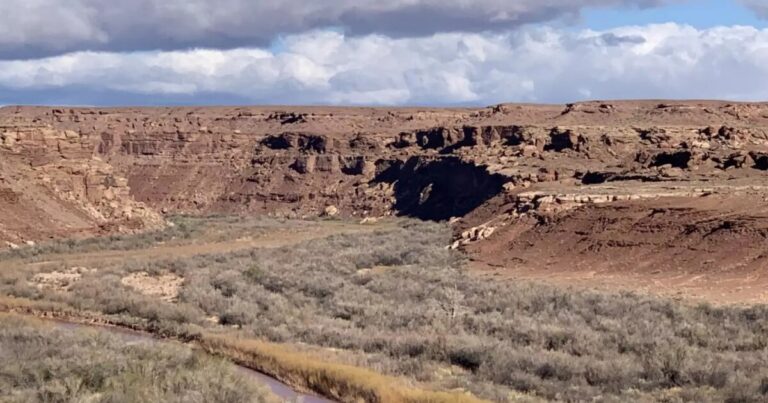
Tribes oppose Trump’s hydropower proposal, which bypasses tribal consent for projects on reservations, risking sovereignty.

A report from the Migration Policy Institute shows a backlog in U.S. immigration courts, with 3.8M cases pending.
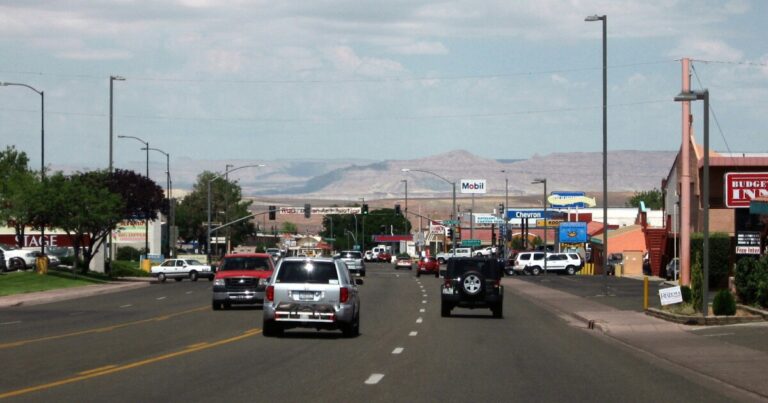
Page City Council plans to sell 500 acres for a $15M data center, but residents want a city-wide vote due to concerns.