In the late 1990s, an assistant principal in Chicago would post job openings for physics teachers and receive 20 applications, while English positions attracted 150. Fast forward to recent years, and those numbers have drastically dropped, with schools struggling to find even a couple of qualified candidates. Principals increasingly ask the central office to send any available teacher, highlighting a significant issue.
The national conversation on teacher shortages often misses critical questions. Although some argue that supply and demand are balanced, recent headlines about teacher layoffs are due to declining enrollments and budget cuts, not an abundance of qualified educators. This impacts students, particularly those in need.
Financial constraints lead districts to eliminate positions, yet they still face difficulties hiring special education and bilingual teachers. Budget cuts do not resolve the issue of finding qualified educators for specific subjects. Data shows that around 425,000 teaching positions are either vacant or occupied by underqualified staff, demonstrating a significant gap.
Teacher shortages are more pronounced in special education, with vacancies twice as high compared to other areas. In Illinois, wealthier districts saw a 31% drop in vacancies, while poorer areas only declined by 5%. Chicago Public Schools experienced a 21% rise in vacancies, although efforts are being made to address the issue.
Districts often lower hiring standards, placing teachers with emergency permits in classrooms needing experienced educators. These teachers are more likely to leave, perpetuating instability in struggling schools. The teacher demand is primarily driven by attrition, as 90% of teachers leave due to factors other than retirement, such as challenging working conditions and declining prestige.
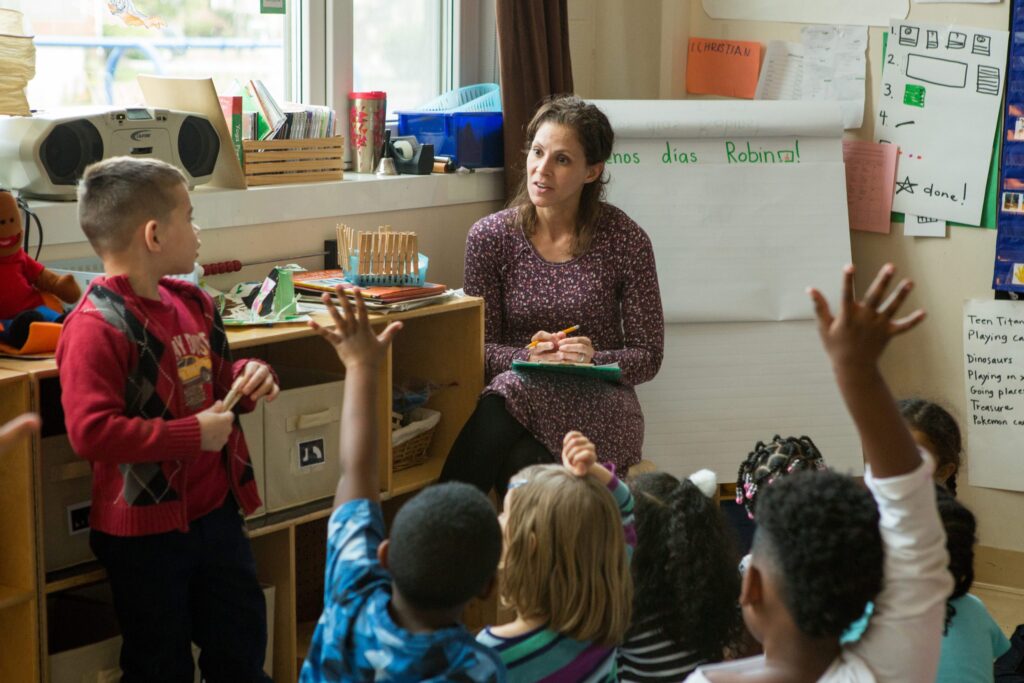
Successful districts and states have found innovative solutions to recruitment and training. They focus on attracting young people wanting to make a difference, particularly those from the communities they serve. For example, Hatch, New Mexico recruits local students into teaching. Research indicates students perform better when taught by someone who shares their background.
Effective programs expose aspiring teachers to classrooms early, ensuring they gain real-world experience. Michigan now requires 600 hours of clinical experience for teacher candidates, leading to more certified teachers. Building a supportive teacher community with mentorship programs also contributes to retention.
—
Read More Kitchen Table News
![Jody White’s Unconventional Michigan Supreme Court Candidacy Explored[embed]https://www.youtube.com/watch?v=8NfxFIPE4ac[/embed]](https://www.kitchentablenews.org/wp-content/uploads/2026/10/Jody-Whites-Unconventional-Michigan-Supreme-Court-Candidacy-Exploredembedhttpswwwyoutubecomwatchv8NfxFIPE4acembed.com2F842F0e2Fc7223daa43c9876b36a4e00773a42Fme-supc.png "Jody White’s Unconventional Michigan Supreme Court Candidacy Explored[embed]https://www.youtube.com/watch?v=8NfxFIPE4ac[/embed]")