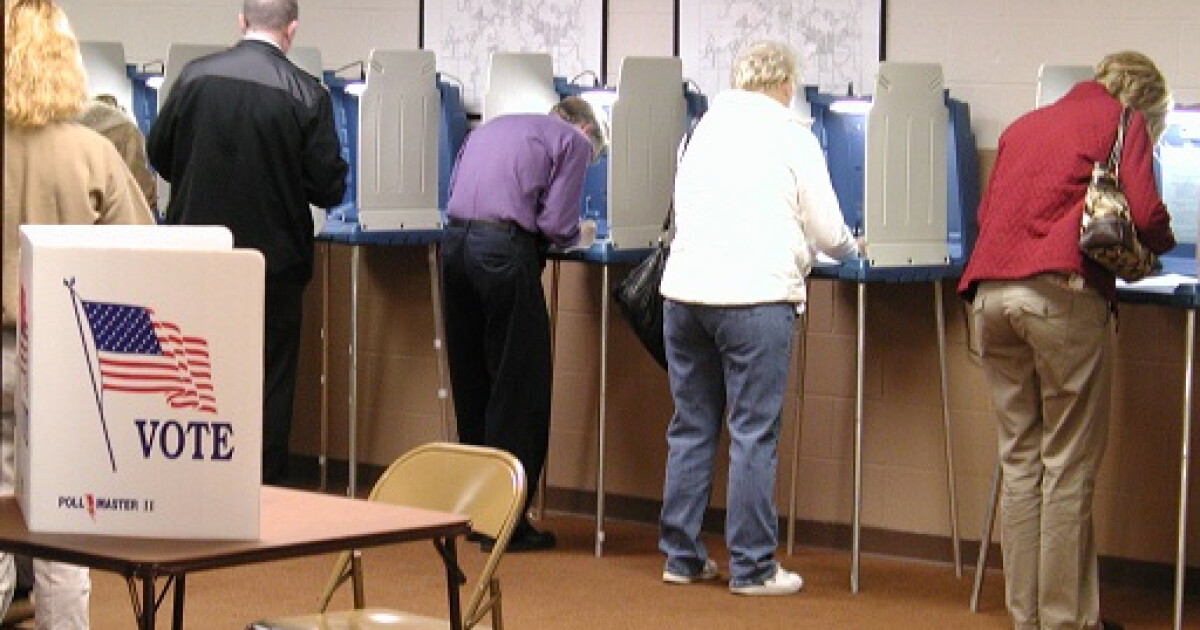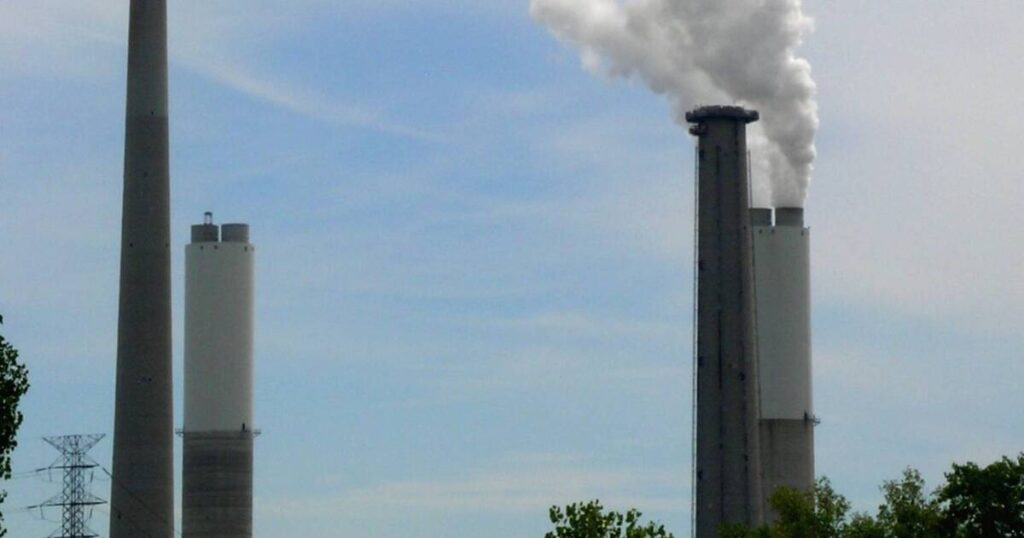
Ann Arbor is on the brink of a significant decision this November that could reshape its energy landscape. Residents will vote on whether to establish a new municipal electric utility, potentially replacing DTE Energy as the city’s electricity provider.
The initiative, led by the nonprofit Ann Arbor for Public Power, has successfully gathered over 5,000 signatures to amend the city charter. Ann Arbor city clerk Jacqueline Beaudry confirmed the petition’s certification, ensuring it will appear on the November 3 midterm election ballot. This move aims to transition to a municipal utility model that, according to the American Public Power Association, typically offers lower rates and increased accountability to customers.
Transitioning to Public Power
In Michigan, most communities receive electricity from investor-owned utilities like DTE and Consumers Energy, which, while privately owned, have their rates regulated by the Michigan Public Service Commission. However, a smaller segment of Michigan’s population is served by municipal utilities controlled by local governments, such as the Lansing Board of Water & Light, Traverse City Light & Power, and Holland Board of Public Works.
Ann Arbor for Public Power initiated this proposal due to mounting concerns over DTE’s high energy costs and subpar grid reliability. DTE spokesperson Ryan Lowry highlighted the company’s efforts to improve infrastructure, stating, “Last year, DTE delivered the best electric reliability Ann Arbor has experienced in nearly 30 years.” He emphasized DTE’s $270 million plan to modernize Ann Arbor’s electric system.
Lowry also warned that the municipal utility proposal could result in substantial initial costs for the city. “The proposal to take over Ann Arbor’s electric grid will cost the City nearly $1 billion on day one, leading to skyrocketing costs for Ann Arbor businesses and residents,” he noted.
Planning for a New Energy Future
The proposed amendment seeks to establish a framework for a public utility board by 2028, which would oversee planning and feasibility studies for the city’s energy future. Justin Schott, director of the Energy Equity Project at the University of Michigan, remarked on the importance of this initial step, highlighting the need for further public engagement.
“These early steps, things like establishing an unpaid governance board conducting a deeper feasibility study, are the kind of small actions that give the city more leverage in its whole relationship with DTE,” Schott said. The eventual municipalization process would involve purchasing DTE’s local infrastructure, contingent on public approval.
Erik Nordman from the Institute of Public Utilities at Michigan State University pointed out the complexities involved in negotiating such a purchase, noting DTE’s potential reluctance to sell its capital assets.
A municipal utility could empower residents to control the transition speed to renewable energy, aligning with the city’s goal of achieving carbon neutrality by 2030. This shift represents a significant opportunity for self-governance during a critical energy transition period. The city already offers the Sustainable Energy Utility, providing supplemental renewable power options while maintaining connections to the DTE grid.
Brian Geiringer, executive director of Ann Arbor for Public Power, emphasized the community’s enthusiasm, with 120 volunteers collecting over 5,300 signatures to bring this proposal to the ballot. “With DTE, it’s something that is tangible, in your face. Your power goes out, you get your power bill and it is way too much, and you want to do something about it,” Geiringer said.
Meanwhile, DTE has financially supported the Ann Arbor Responsible Energy Coalition, which opposes the ballot measure. Michigan Campaign Finance Network Executive Director Neil Thanedar described the utility’s spending on this local issue as “pretty unprecedented.”
—
Read More Michigan News