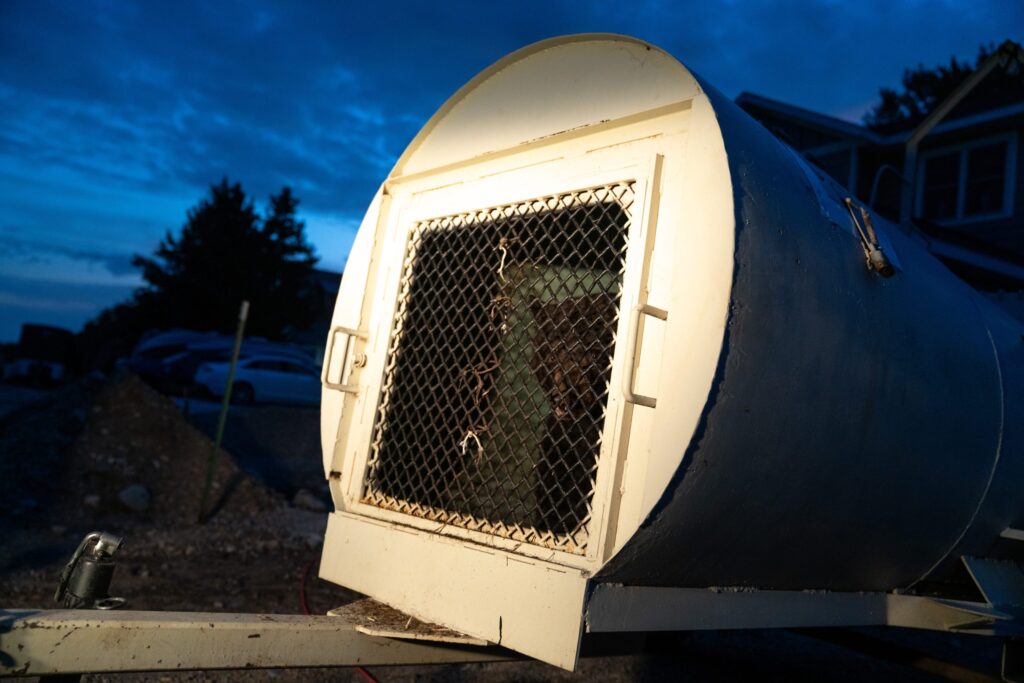
Daniel McHugh is sick of killing bears.
Tall and blunt, McHugh, a bear management specialist with Montana Fish, Wildlife and Parks, never intended to end up euthanizing bears. Yet, at a community meeting in Red Lodge, he expressed frustration over the six bears, including two grizzlies, his agency had to kill in just three square miles this year.
“There’s a problem,” McHugh stated. His team had dealt with over 200 conflicts near Red Lodge since spring, many of which were more severe than just bears rummaging through trash.
A dry winter and late freeze in Montana have led to food shortages, forcing bears to seek sustenance from human sources like garbage and compost. Wildlife managers have had to put down numerous bears across the West for becoming aggressive near communities.
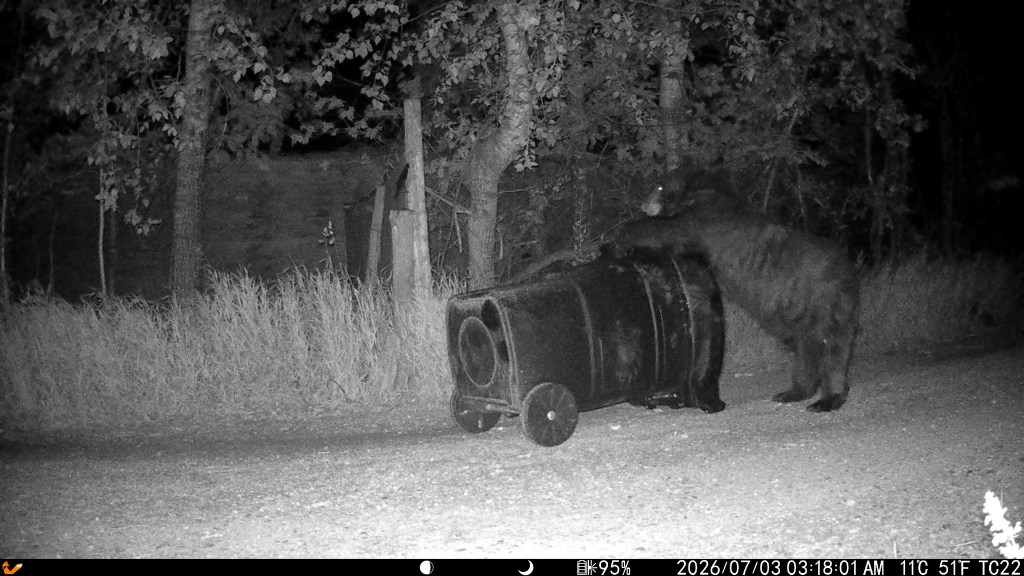
In Colorado, around 300 bears were killed by late August for similar issues. Wyoming and other states like Utah, New Mexico, and Idaho also report high conflict rates. Red Lodge faces a distinct challenge, sparking heated discussions and blame games among residents.
Residents debate bear management approaches; some call for tolerance, while officials like McHugh blame risky choices that endanger both bears and humans. McHugh told the meeting, “The community loads the gun… we all own the responsibility of what happens in our communities.”
About 140 people attended the meeting, remarkable in a city of 2,500 near Yellowstone. Shawn Stewart, a state wildlife biologist, noted it was one of the worst bear conflict years since 1986, when food shortages similarly drove bears into town. The loss then was 30% of black bears in the Beartooths region.
Current bear behaviors alarm Stewart: bears now approach people, follow them, and show no fear, signaling a troubling escalation. Game warden Matt Heaton accused locals of intentionally feeding bears, despite its legality challenges, contributing to bear-related deaths and potentially human fatalities.
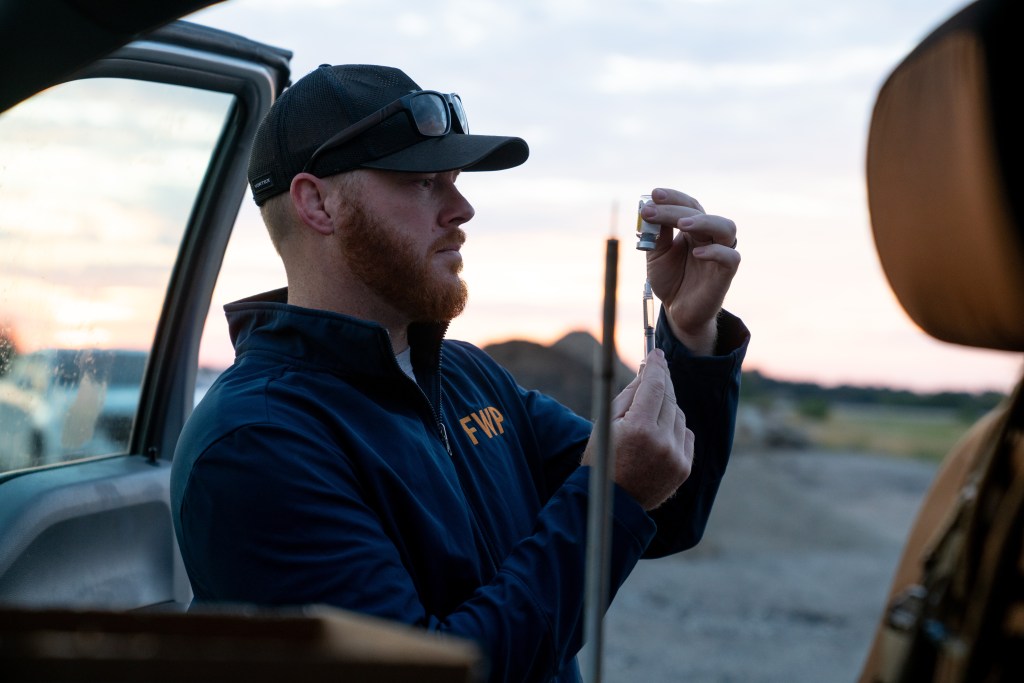
McHugh’s work involves responding to conflicts and educating citizens, yet this year’s crises hinder prevention efforts. He emphasized that bears receive multiple chances before being put down. Red Lodge’s issues echo those in other Western towns, with unsecured trash and birdseed attracting bears.
Bear relocation is sometimes possible but often fails due to the lack of suitable habitats or bears returning to problem areas. In Red Lodge, intentional feeding exacerbates this challenge. Residents’ enthusiasm for bears can lead to dangerous habituation.
Game warden Heaton urged the community to stop feeding bears, stating, “We’re being too tolerant, too much.”
Bear feeding remains a serious issue in Red Lodge, where it often occurs accidentally when citizens feed other wildlife. While not unique to the area, addressing it is challenging due to the low penalties and difficulty in proving intent.
Wildlife managers suspect deliberate feeding has led to bizarre bear behavior, with one black bear attacking a child and charging a city officer. Bears return to areas where they have been fed, creating a cycle of conflicts. As McHugh puts it, “The community loads the gun.”
Many problems stem from the same drainage area, and someone is likely feeding the bears there. Despite evidence, Heaton opts for education over strict enforcement to address this ongoing issue.
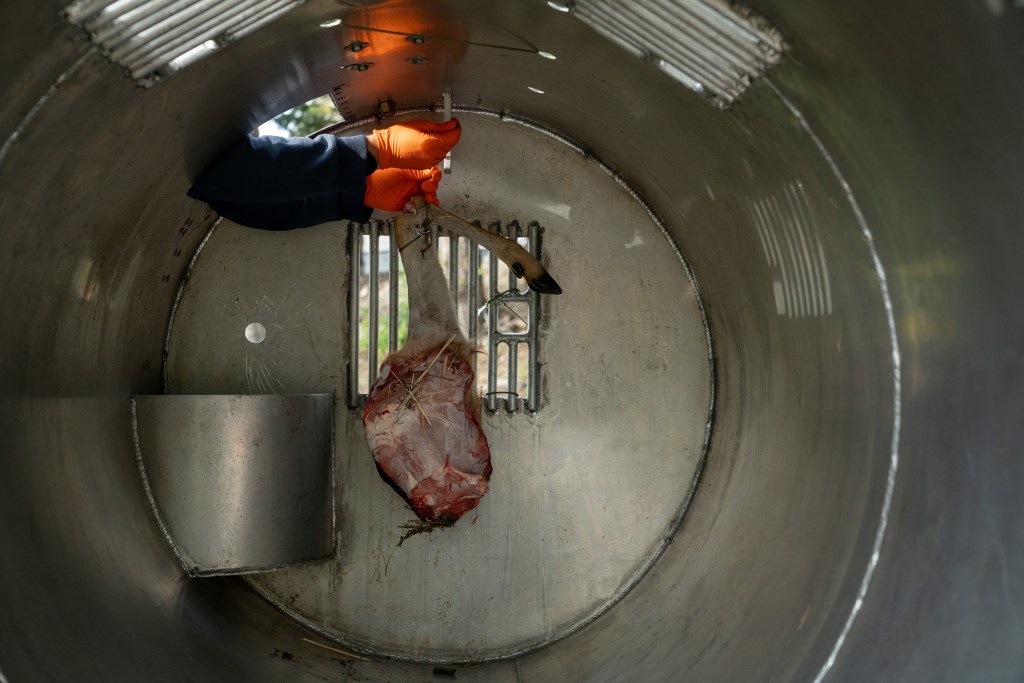
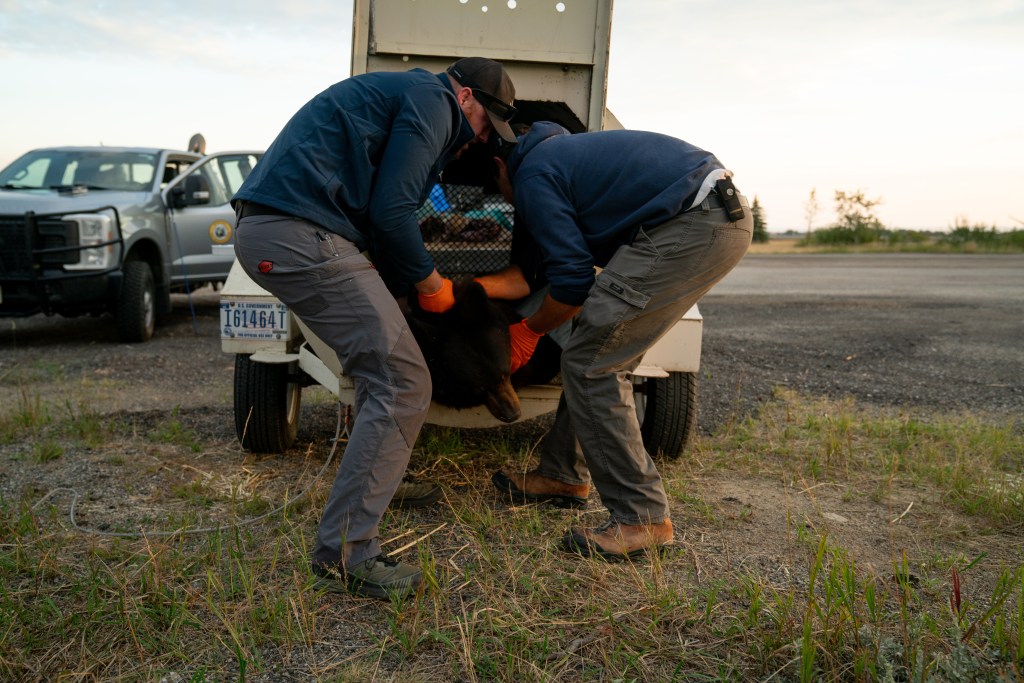
“Intentional bear feeding is downright evil,” McHugh added. “The community can help solve this.” Red Lodge presents unique challenges to bear managers, emphasizing the need for community-driven solutions to mitigate its conflicts with bears.
McHugh believes the root of bear-related issues lies with people, not the bears themselves. Despite the emotional toll of his work, he continues striving for justice amid bear management challenges.
The morning following a heated meeting, McHugh, Thomi, and Steinmetz tended to another conflict-driven trapped bear. They worked tirelessly as bear managers, acknowledging the weight of their role in maintaining safety for both humans and bears.
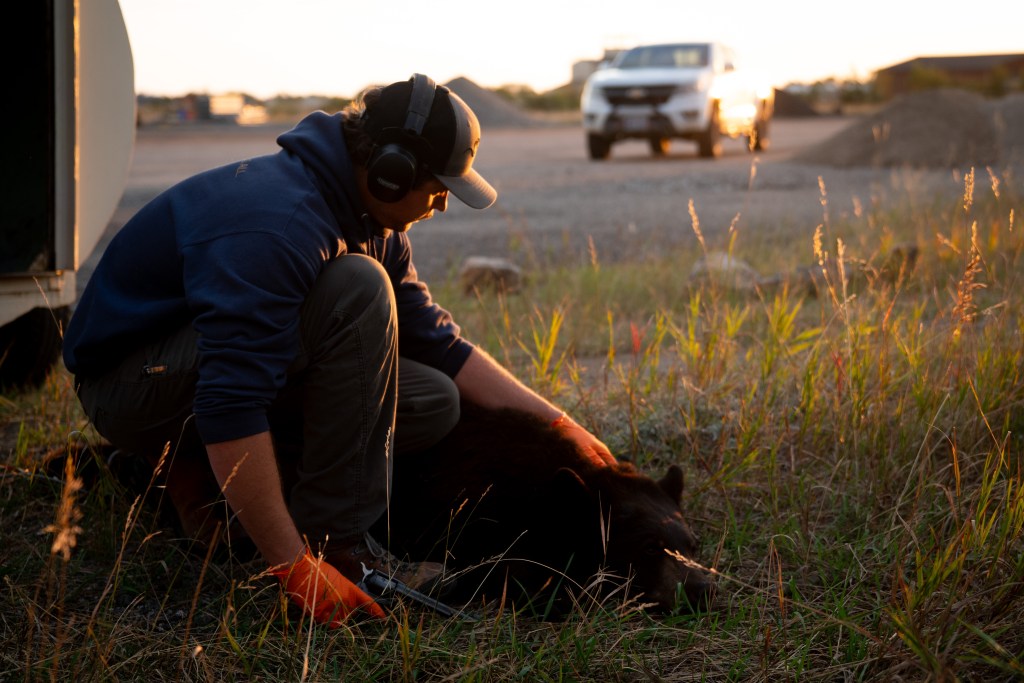
Thomi, using a .22-caliber revolver, euthanized a bear responsible for multiple conflicts. “Another wasted bear,” McHugh lamented. The ongoing struggle highlights that bear management in Red Lodge is a delicate balancing act driven by community interaction.
—
Read More Montana News