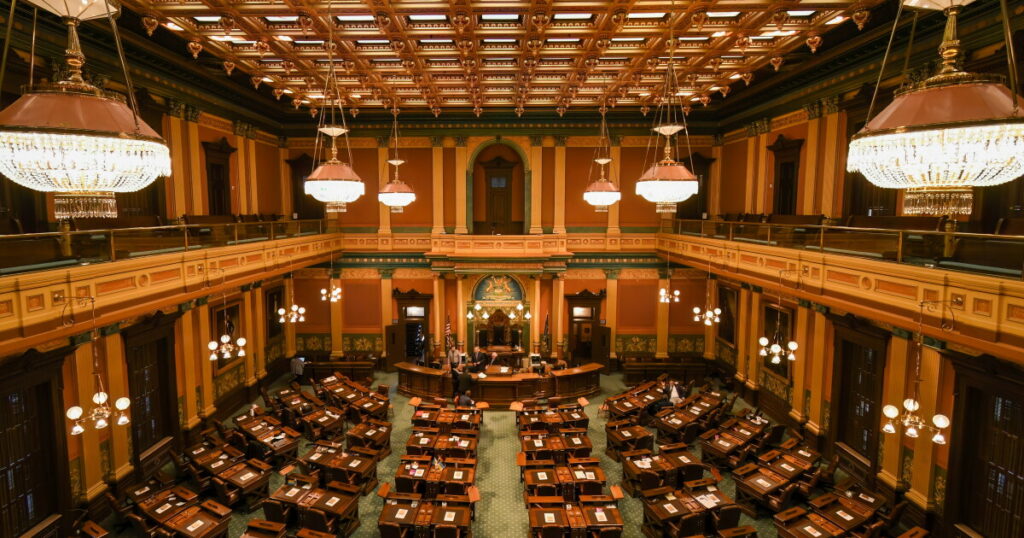
A landmark shift in Michigan’s political landscape emerges from the recent 2026 election, reshaping the dynamics for the foreseeable future. The Democratic Party has not only maintained but strengthened its hold on the state’s leadership, securing the governor’s office, expanding its majority in the Senate, and reclaiming control of the House.
Doug Tribou from Michigan Public’s Morning Edition discussed the election’s implications with Zach Gorchow, President of Gongwer News Service.
Democratic Sweeps and Key Races
According to Gorchow, Democrats achieved a comprehensive victory, capturing nearly all contested races and some unexpected ones. “This was a complete sweep,” Gorchow noted. He highlighted districts such as Battle Creek, known for its competitiveness, and emerging Democratic strongholds like Rochester, Rochester Hills, and Holland, which all turned blue. Areas previously leaning Republican, like suburban Genesee County, flipped back to the Democrats, signaling a widespread shift.
Policy Focus for the Democratic Leadership
With consolidated power, Democrats are poised to pursue significant legislative goals. Governor-elect Benson aims to prioritize a state Voting Rights Act, a move expected to gain support from the Democratic Legislature. Additionally, Benson’s agenda includes tackling affordability issues, with proposals like a caregiver tax credit likely to surface.
Reflecting on past challenges, Gorchow emphasized that the Democrats now have the leverage to revisit initiatives from their previous term, where slim majorities made legislative progress difficult. “In the House, they needed every Democrat to vote for something in order to pass it,” he explained, noting that the current situation offers more flexibility.
The Lame-Duck Session and Future Prospects
As the state enters the lame-duck period, the dynamics between the Democratic Senate and Republican House remain crucial. However, Gorchow predicted limited legislative activity, as Democrats await full control. “The Democrats really have no incentive to work with the Republicans in the House on anything really significant,” he stated, suggesting only minor, non-controversial bills might pass.
Risks and Challenges in Governing
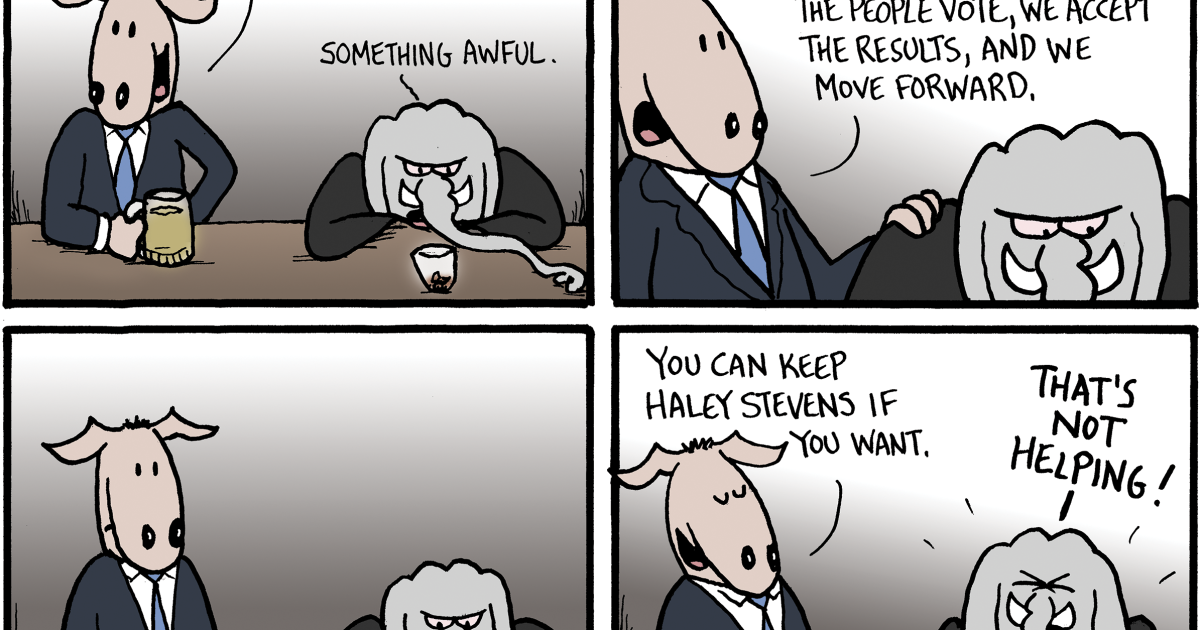
Addressing the potential pitfalls of a sweeping victory, Gorchow reflected on historical patterns where parties overreach following electoral success. He cautioned that if Michigan Democrats focus solely on traditional priorities without addressing broader concerns like economic relief, they might face voter backlash. This sentiment echoes Governor Engler’s past assertion that “change is the mandate.”
Editor’s note: Some quotes in this article have been lightly edited for length and clarity. You can play the full audio of the interview near the top of this page.
—
Read More Michigan News