Concerns Arise Over DHS’s Focus on Noncitizen Voters
Updated September 18, 2026 at 8:03 PM EDT
An internal communication from the Department of Homeland Security (DHS) is sparking debate over its strategies to identify non-U.S. citizens potentially included on state voter lists or those who may have voted previously.
This email, which NPR recently obtained, was originally sent last year. It contained a detailed 78-page list highlighting regions that provide election documents in languages other than English. Accompanying this was a Department of Justice guide detailing criminal prosecution standards for voter-related infractions.
The email came to light following a Democratic National Committee (DNC) lawsuit concerning a public records request, subsequently shared with NPR.
The Democratic Party expresses concerns that the Trump administration’s push to identify noncitizen voters might inadvertently intimidate eligible voters and reduce participation in the upcoming midterm elections. The DHS has intensified efforts to investigate noncitizen voting, even though previous reviews have shown such cases to be very rare.
The document does not mention any enforcement activities in the specified areas. Due to extensive redactions, the reason for including the non-English jurisdictions list remains unknown. DHS, in a court document defending its redactions, described the email as an internal discussion of preliminary thoughts and opinions.
Responding to NPR’s inquiries about the document, DHS stated that individuals who vote illegally should not be able to claim ignorance of English as a defense against prosecution. Recently, federal agencies have charged several persons for alleged illegal voting.
Worries about potential election interventions by the Trump administration have prompted civil rights groups to file lawsuits to prevent DHS from deploying federal officers to polling places. The latest of these lawsuits, first reported by NPR, was recently filed.
Federal agent presence at polling locations is prohibited by law, which is a key reason for the DNC’s interest in obtaining records from the Trump administration. Last year, the DNC filed Freedom of Information Act requests across federal agencies to determine if there were plans to station federal personnel at polling sites, drop boxes, or election offices during upcoming elections.
Dan Freeman, the DNC’s litigation director and former DOJ Voting Section attorney, is particularly concerned about the DHS document. He noted, “The very simple connection that I logically drew is that they’re targeting [these jurisdictions]. We are hoping to learn more. But right now, the logical inference that I think anyone would make is that they are thinking about prosecution of federal election crimes in jurisdictions where elections are conducted in a language other than English.”
The DHS clarified that they “are not planning operations targeting polling locations.”
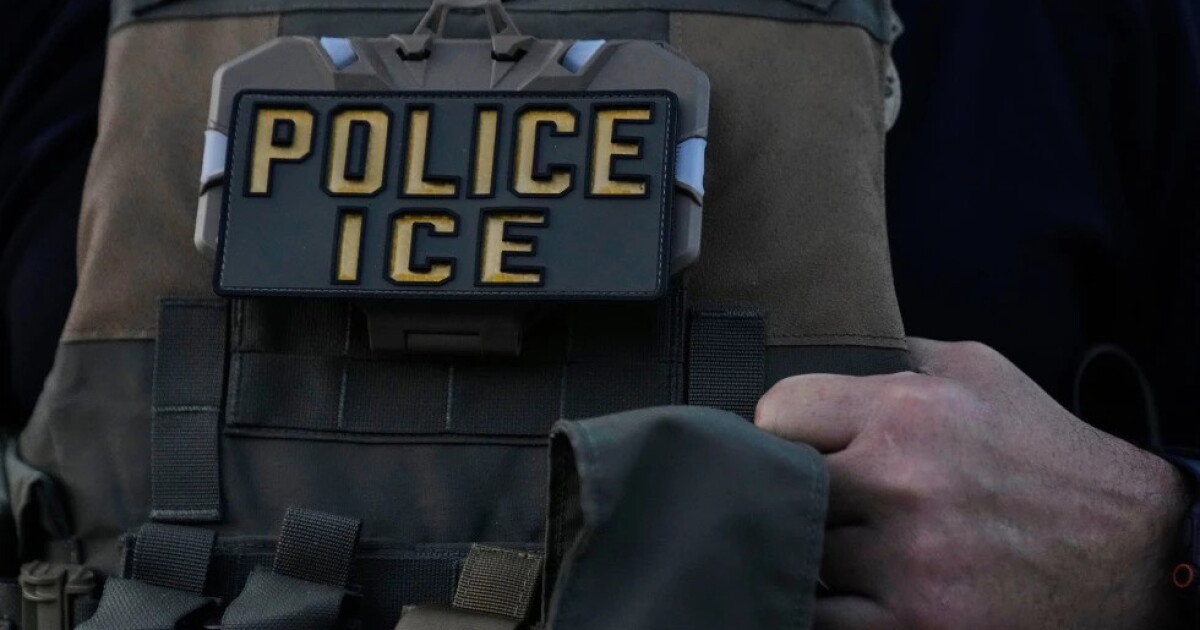
Nevertheless, some administration officials have heightened concerns about potential actions. Earlier this month, Homeland Security Secretary Markwayne Mullin mentioned the possibility of Immigration and Customs Enforcement agents executing warrants at voting sites. In May, President Trump stated he would take “anything necessary” measures to ensure “honest” elections, when questioned about agents at the polls.
Stephen Maturen / Getty Images
The origins of the list of multilingual voting jurisdictions remain unclear. It was shared in an email dated December 19 from a DHS border policy acting director, whose name remains redacted, to Rob Law, undersecretary for strategy, policy, and plans. Other DHS officials from the same office, along with Heather Honey, leading the administration’s initiative against noncitizen voting, were also recipients.
According to the Voting Rights Act, areas where over 5% of voting-age citizens primarily speak a non-English language must provide election materials in that language. This information is publicly available, and the document included these jurisdictions along with some state and local guidelines.
While much of the released material remains redacted, the DNC continues to seek additional records from the federal government through ongoing litigation.
Recent rhetoric about possible administration plans is influencing voters. A University of California San Diego poll published this week indicates that about 40% of voters believe there’s a likelihood of ICE agents being present at local voting sites. This belief spans across party lines, including Democrats, Republicans, and independents.
The survey also highlighted that voters of color are significantly more likely to fear being questioned by immigration officials at voting sites, despite holding U.S. citizenship.
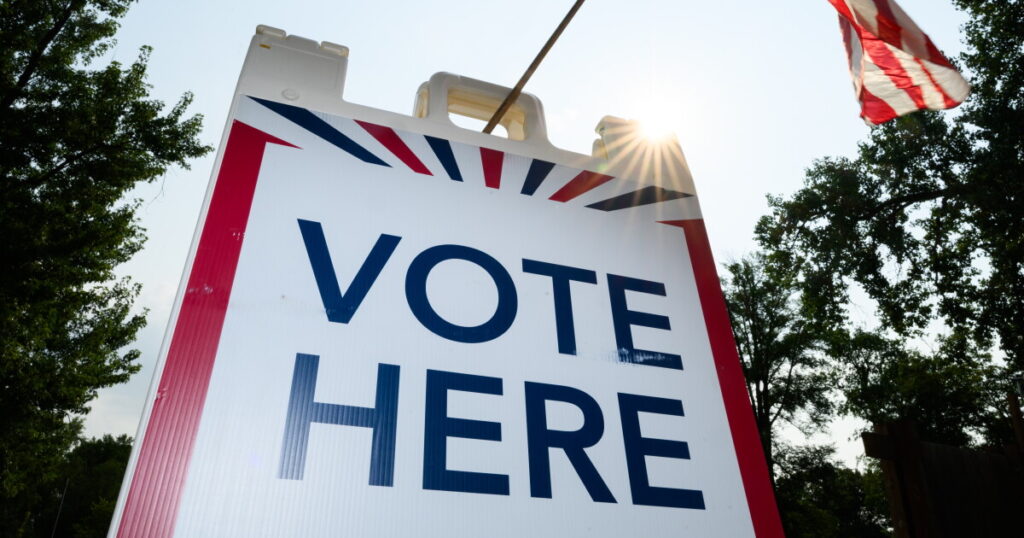
Election officials express concerns that these perceptions might reduce voter turnout even if no enforcement occurs.
Paul López, Denver’s chief voting official and a plaintiff in a lawsuit seeking to prevent federal agents at the polls, remarked, “What they’re trying to do is put it out there to discourage people from voting, to create an atmosphere of fear, and it creates a chilling effect on the democratic process.”
Denver, a city with nearly a third of its population identifying as Hispanic or Latino, is included in the DHS document as a region offering multilingual election materials, as reported by census data.
However, López remains unfazed by Denver’s mention in the document, asserting that federal law supports his stance.
“It is illegal for folks to be targeted on the basis of their language,” López stated. “My message to voters is, ‘Don’t let these thugs scare you. Don’t let them intimidate you. You’re not going to be bullied and we’re not going to be intimidated.'” He concluded, “Democracy will happen.”
Copyright 2026 NPR
—
Read More Michigan News