Challenges and Triumphs: The Complex Journey of Disabled Youth in Foster Care
At just nine years old, Tyrome Laundersville could not comprehend the significance of his parents driving him away from their home in Iowa. His initial excitement quickly turned into a harsh reality when he was taken to a psychiatric residential treatment center, a detour from the typical foster care experience.
While most foster children live with families, a significant 10% of those with disabilities find themselves in group homes or institutions, compared to a mere 4% of non-disabled peers. An NPR investigation highlights that children with disabilities represent the largest demographic entering foster care, yet they face some of the most challenging outcomes.
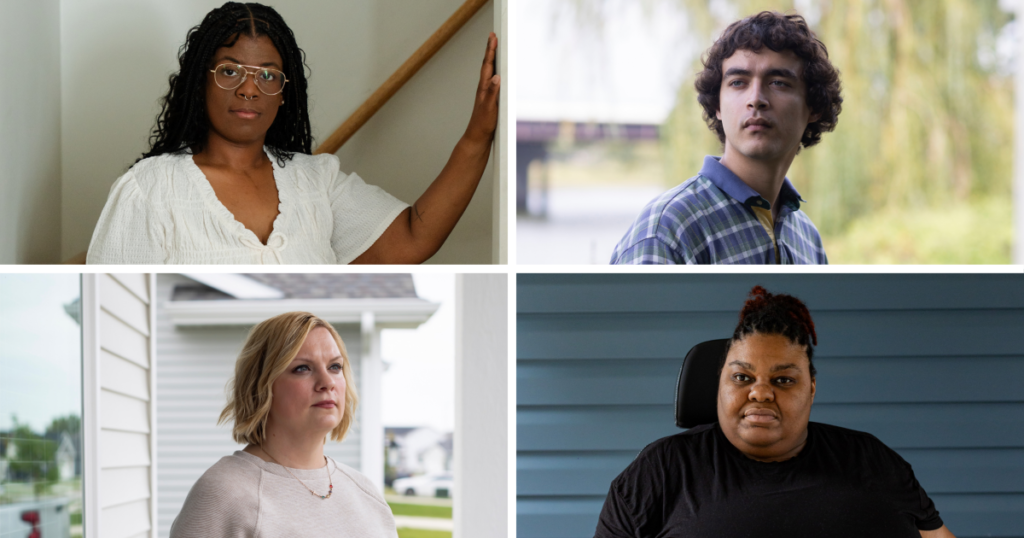
Federal data from 2025 reveals that disabled children endure 50% longer stays in foster care than their non-disabled counterparts, with reduced chances of reunification with families or adoption. To delve deeper into these statistics, NPR interviewed former foster youth, including Laundersville.
Diagnosed with multiple conditions like Fetal Alcohol Spectrum Disorder and ADHD, Laundersville’s journey through locked-down residential centers exacerbated his behavioral issues. “Being moved around from facility to facility from age nine to 18 was really hard,” he shared during a 2024 speech. “I missed my parents… I needed that connection.”
Marissa Pike from Massachusetts shares a similar story. Misdiagnosed for years, her autism was finally identified after being moved through over 30 placements. Overwhelmed by routine activities in treatment centers, Pike’s behaviors were often misunderstood, leading to punitive measures.
JoJo Kimble’s autism diagnosis was erased during her time in South Carolina’s foster care system, replaced with a label of bipolar disorder. “It’s easier to treat,” she explained, noting the focus on medication over understanding autism.
Rasheeda McCrae, legally blind, faced challenges in a Baltimore foster home not equipped for her needs. Her caseworker’s oversight left her feeling isolated and different.
Despite the struggles, positive stories emerge. Samanthya Marlatt, who has cerebral palsy, found inspiration in her blind foster parents who taught her self-advocacy. Marlatt now uses these lessons as a foster parent and future mental health counselor.
For some, critical support came from outside the foster care system. Marissa Pike’s correct autism diagnosis came from a chance encounter with a stranger, altering her path. Similarly, Laundersville found stability with a friend’s mother who offered him a home post-foster care, teaching him valuable life skills.
Today, these former foster youths channel their experiences into advocacy, aiming to reform the system for future generations. Their shared goal is to transform foster care into a supportive environment for all children, especially those with disabilities.
—
Read More Michigan News