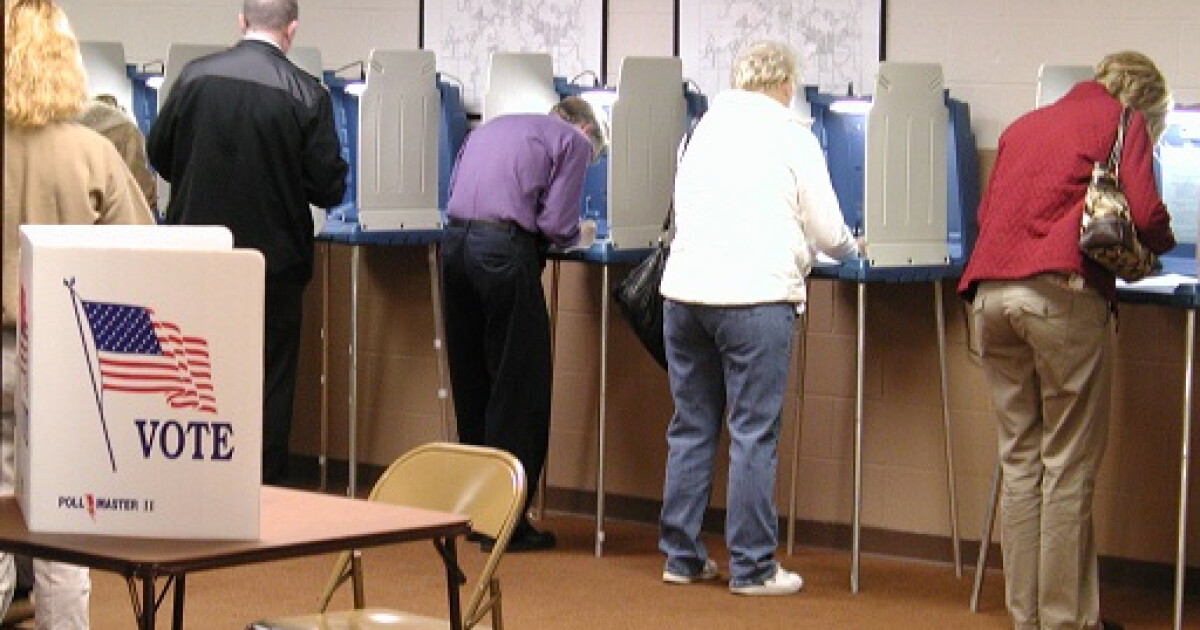
As Michigan gears up for November elections, voters face the challenge of selecting two state Supreme Court justices. With judicial races being non-partisan, finding reliable information is crucial. This guide offers resources to assist in making informed choices about judicial candidates.
To start your research, the State Bar of Michigan provides general candidate information. For insights on disciplinary actions, consult the Attorney Discipline Board. Additionally, the Judicial Tenure Commission lists any public complaints filed against candidates.
Upcoming interviews with Michigan Supreme Court candidates will be available later in the election cycle. Access them here or via michiganpublic.org/election.
Democratic-Endorsed Candidates
Chief Justice Megan K. Cavanagh (Incumbent)
With over 15 years as an appellate attorney, Cavanagh is also the Supreme Court Liaison to several key legal and judicial bodies.
Justice Noah Hood (Incumbent)
Appointed by Governor Gretchen Whitmer in 2025, Hood filled the vacancy post-Chief Justice Elizabeth Clement’s resignation. His previous appointments include the Michigan Court of Appeals and the Third Judicial Circuit Court in Detroit.
Republican-Endorsed Candidates
Judge Michael Warren
A judge since 2002 at the Oakland County Circuit Court, Warren emphasizes his trial experience on his website, claiming it surpasses that of the current Supreme Court justices combined.
Judge Casandra Morse-Bills
The presiding judge of the 23rd Judicial Circuit Court since 2018, Morse-Bills describes herself online as a constitutionalist committed to the rule of law and citizen rights.
Michigan’s Judicial System Structure
Michigan’s judicial system is organized into three tiers: trial courts, the Court of Appeals, and the Supreme Court.
Trial Courts
Typically, cases begin in trial courts, staffed by approximately 600 judges serving six-year terms. These courts are categorized into Circuit, Probate, District, and Municipal Courts.
Circuit Court
With 57 Circuit Courts in Michigan, they handle significant civil cases, felonies, family matters, and appeals from lower courts. Circuit Courts also house the Court of Claims for lawsuits against the state.
Probate Court
There are 78 probate courts dealing with wills, estates, guardianships, and mental health orders.
District Court
Michigan’s 105 district courts manage traffic, misdemeanors, and civil cases up to $25,000.
Municipal Courts
Operating in select cities, these courts handle similar cases to district courts.
Court of Appeals
Appeals from trial courts are reviewed by the Court of Appeals, where judges issue written opinions without new trials. The court has 24 judges across four districts: Grand Rapids, Lansing, Detroit, and Troy. Eleven seats are up for election, with details available here.
The Supreme Court
Handling appeals from the Court of Appeals, the Michigan Supreme Court selects 70-80 significant cases annually from over 2,000. The court’s seven justices, serving eight-year terms, can affirm, reverse, or remand cases. Chief justices are elected biennially by their peers.
—
Read More Michigan News