Battle for Michigan’s Democratic Senate Primary: A Clash of Strategies
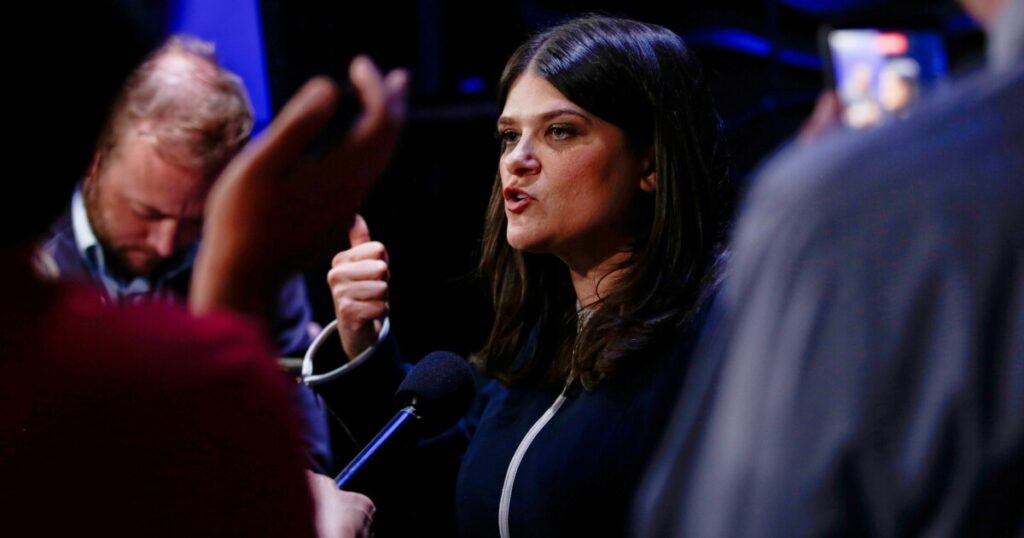
As Michigan’s Democratic Senate primary race heats up, U.S. Rep. Haley Stevens is emphasizing her proven track record of winning elections as her key selling point. Having overturned a Republican-held House seat in suburban Detroit in 2018 and successfully weathering a competitive primary after redistricting in 2022, Stevens presents herself as the candidate who can secure victories against Republicans in the upcoming general election.
“It is not a hypothetical that I beat Republicans,” Stevens remarked to The Associated Press during a campaign visit to West Michigan, underscoring her claim of being a seasoned competitor. Her primary opponent, Abdul El-Sayed, represents a more progressive approach, which Stevens argues may not be as effective in a general election.
The importance of maintaining Michigan’s Senate seat is crucial for the Democrats’ strategy to regain a Senate majority. This urgency has increased following Democratic nominee Graham Platner’s decision to exit the Maine Senate race amid allegations of sexual assault, potentially weakening their position in another key state. Despite Michigan’s history of leaning Democratic, with no Republican winning a Senate seat since 1994, the narrow loss of former U.S. Rep. Mike Rogers in 2024 underscores the state’s competitive nature.
Senate Democratic Leader Chuck Schumer and prominent Michigan Democrats, including former Sen. Debbie Stabenow, have thrown their support behind Stevens, viewing her as the Democrats’ best chance against Rogers, who is running once again. However, whether Democratic voters will prioritize electability as much as party leaders remains uncertain.
Supporters of El-Sayed, like Dave Burdick from Douglas, Michigan, argue that Democrats should focus more on bold policies rather than appealing broadly. El-Sayed’s campaign is built on progressive proposals and a rejection of corporate PAC contributions, contrasting himself with the traditional Democratic establishment.
Stevens’ Grassroots Campaigning Approach
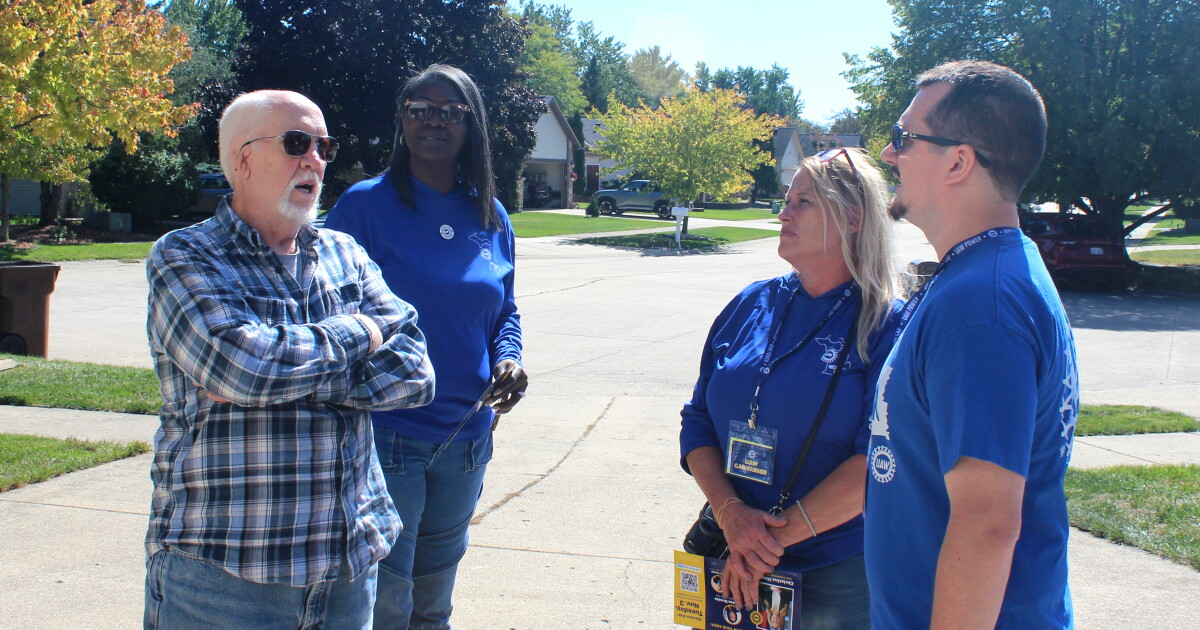
Stevens’ campaign strategy involves engaging directly with voters in personal settings, such as local businesses and community events. Her approach is characterized by direct interactions and discussions on pertinent legislative issues, which her supporters believe is where elections are truly decided.
In South Haven, Stevens demonstrated her retail politics skills by engaging with a pet supply store owner and customers, effectively transitioning between casual conversations and campaign discussions. “I thought she was great fun,” said store owner Roxanne Leder, appreciating Stevens’ energetic and positive demeanor.
While Stevens may lack the viral moments that have boosted El-Sayed’s profile, she believes her personal, one-on-one approach resonates more with voters. “Unlike my opponent, I’m not running at the first mic or camera I see,” Stevens stated during a recent debate, emphasizing her focus on substantive campaigning over celebrity.
Despite her strengths, Stevens faces challenges in generating widespread grassroots enthusiasm, which El-Sayed has managed to do through rallies and endorsements from high-profile figures. Moreover, the significant financial backing from outside groups supporting Stevens could be a double-edged sword, drawing criticism from voters wary of such influences.
Michigan’s Inclination for Outsider Candidates
El-Sayed’s campaign, advocating for expansive reforms like Medicare for All and the abolition of the U.S. Immigration and Customs Enforcement agency, aligns with Michigan’s history of favoring outsider candidates who challenge the political norm. This sentiment was evident in the victories of Bernie Sanders in the 2016 Democratic primary and Donald Trump’s presidential win in Michigan, reflecting voters’ desire for change.
Burdick, a supporter of El-Sayed, believes that the current political climate remains ripe for candidates who present a radical departure from the status quo, criticizing the perception of established figures as the only viable options.
The Impact of a Two-Person Race
The dynamics of the primary shifted when State Sen. Mallory McMorrow suspended her campaign, prompting endorsements for Stevens from key Democratic figures and organizations. Attorney General Dana Nessel praised Stevens’ intelligence and relatability, reinforcing her candidacy as the pragmatic choice.
Meanwhile, El-Sayed has garnered support from influential labor groups, including the United Auto Workers, highlighting his appeal among working-class voters. Although Fems for Dems, a significant grassroots organization, is not endorsing a candidate, its founder, Lori Goldman, expressed her personal support for El-Sayed, emphasizing a desire for candidates who will actively advocate for change.
Goldman recognizes the evolving nature of Democratic primaries, noting a shift away from traditional party lines as voters demand more transformative leadership. “People are breaking away from the party line. People want change,” she remarked, indicating a potential shift in voter priorities.
—
Read More Michigan News

![Botched Ad Mix-Up: Super PAC Error in Arizona Congressional Race[embed]https://www.youtube.com/watch?v=bEMgIlCkHz0[/embed]](https://www.kitchentablenews.org/wp-content/uploads/2026/10/Botched-Ad-Mix-Up-Super-PAC-Error-in-Arizona-Congressional-RaceembedhttpswwwyoutubecomwatchvbEMgIlCkHz0embed.com2F0e2F962Fe971102f49e7a4f2a64fd3cc60a22Fjonatha.png "Botched Ad Mix-Up: Super PAC Error in Arizona Congressional Race[embed]https://www.youtube.com/watch?v=bEMgIlCkHz0[/embed]")