Article Summary –
Food banks and anti-hunger groups are opposing a proposed $141 million cut to the federal WIC program, which aids children, pregnant women, and new moms, arguing that it would negatively impact approximately 5.4 million beneficiaries. Despite the House Republicans’ claims that the program is fully funded due to lowered participation estimates, advocates dispute this, citing increased program usage and rising grocery costs that necessitate full funding. The proposed cut has prompted criticism for potentially reducing access to nutritious food and long-term benefits for children and families, affecting food security and agricultural demand.
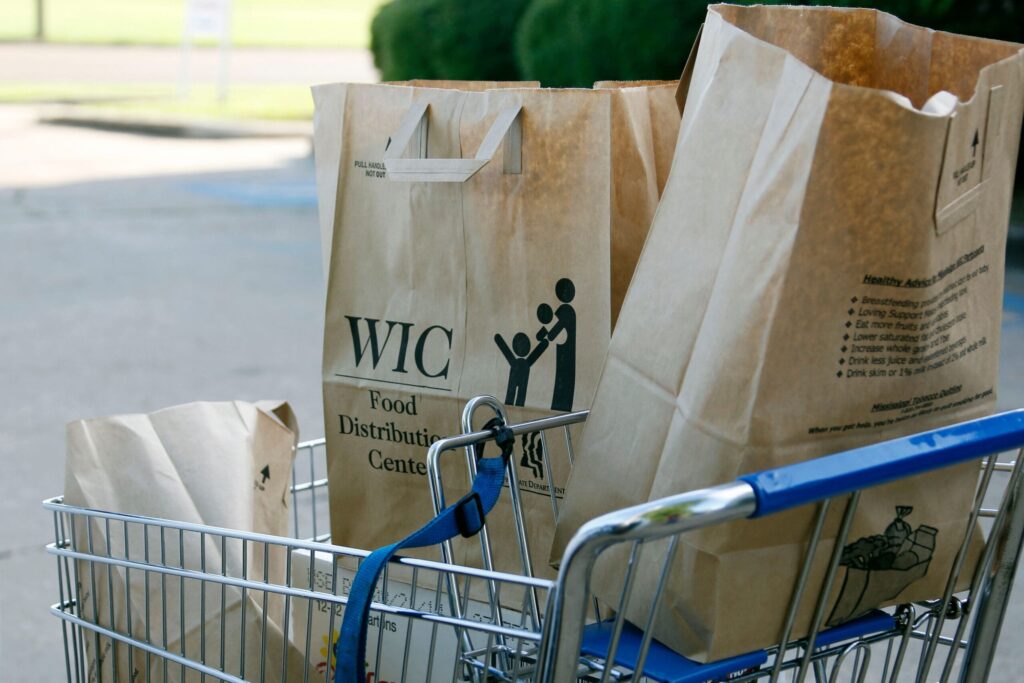
Food banks and anti-hunger organizations nationwide are opposing a proposed cut to a federal program aiding children, pregnant women, and new mothers in obtaining fruits and vegetables.
On June 4, the Republican-controlled House narrowly passed an agriculture appropriations bill, slashing $141 million in benefits for about 5.4 million participants in the Special Supplemental Nutrition Program for Women, Infants and Children (WIC), according to the Center on Budget and Policy Priorities.
A coalition of 343 groups urged House leaders to maintain full funding for WIC, emphasizing its bipartisan support over three decades and its importance in providing nutritious food for children’s essential development stages.
Some House Republicans argue the bill’s funding is sufficient due to decreased WIC participation, as reported by the Washington Post. Maryland Rep. Andy Harris stated, during a floor debate, “With lowered participation estimates and increased carryover funding, $8 billion will fully fund the program.”
Advocates dispute these numbers, citing increased participation, anticipated augmentation due to rising grocery prices, and previous declines due to the fall government shutdown. The bill passed narrowly with a vote of 213-210. Michigan Republican Reps. voted yes, while Democrats opposed it.
The bill awaits U.S. Senate consideration. As of January 2026, about 187,000 Michiganders participated in WIC, including 42% of state-born infants, per a fact sheet from the National WIC Association.
Anne Hamming of Feeding Western Michigan noted a reduction in food assistance leads to increased demand on the charitable food system. Approximately 1 in 6 Michigan residents were food insecure in 2024, according to Feeding America, including 1 in 5 children.
Wende Randall, executive director of Kent County Essential Needs Task Force, expressed disappointment over the bill’s cuts to WIC access and crucial virtual appointments. “Investment in WIC translates to health savings and better long-term outcomes,” Randall said.
Lynsee Gibbons from the U.S. Apple Association highlighted the bill’s adverse impact on the supply chain for farms to consumers due to reduced produce benefits.
An April analysis by the Center on Budget and Policy Priorities projected the $141 million cut would affect 145,000 WIC participants in Michigan.
The National WIC Association urged Congress to reject these cuts, warning that they threaten families during economic uncertainty and would break a 30-year bipartisan commitment to full WIC funding, per their press release.
—
Read More Michigan News
![Jody White’s Unconventional Michigan Supreme Court Candidacy Explored[embed]https://www.youtube.com/watch?v=8NfxFIPE4ac[/embed]](https://www.kitchentablenews.org/wp-content/uploads/2026/10/Jody-Whites-Unconventional-Michigan-Supreme-Court-Candidacy-Exploredembedhttpswwwyoutubecomwatchv8NfxFIPE4acembed.com2F842F0e2Fc7223daa43c9876b36a4e00773a42Fme-supc.png "Jody White’s Unconventional Michigan Supreme Court Candidacy Explored[embed]https://www.youtube.com/watch?v=8NfxFIPE4ac[/embed]")