Updated April 21, 2026 at 2:24 PM EDT
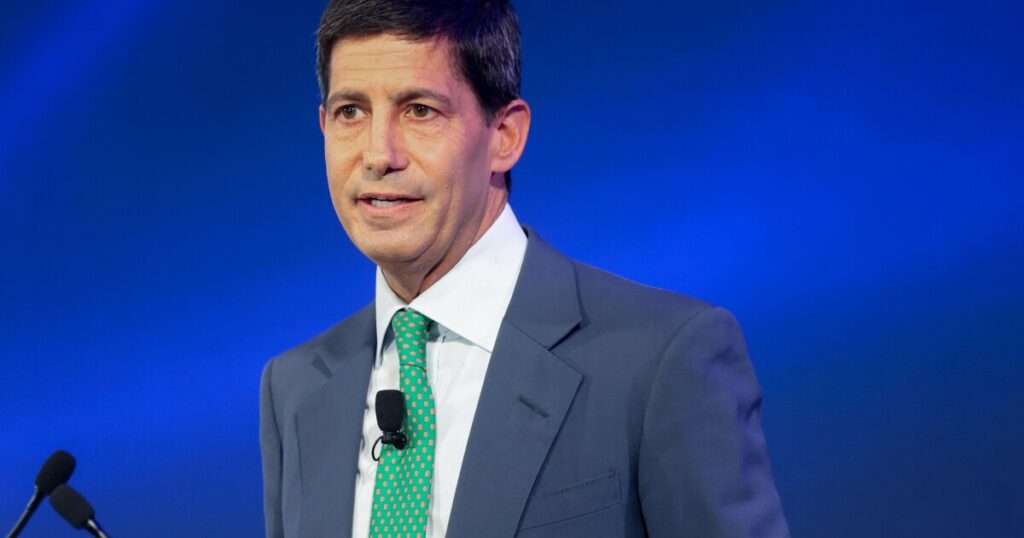
Kevin Warsh, a nominee by President Trump for the position of Federal Reserve chair, is facing significant hurdles in his confirmation process, primarily due to issues beyond his control.
The Senate Banking Committee conducted a confirmation hearing for Warsh on Tuesday. However, a GOP senator has already pledged to obstruct the vote on Warsh until the Department of Justice ceases its investigation into the Federal Reserve.
During the hearing, questions were raised about inflation, borrowing costs, and Warsh’s capacity to maintain independence despite President Trump’s clear expectations for reduced interest rates.
Most of the drama has nothing to do with Warsh himself
Senator Thom Tillis, a key member of the banking committee, has threatened to delay Warsh’s confirmation, not due to any opposition to Warsh himself. Tillis is demanding that the Justice Department halt its criminal investigation into the central bank and its current chairman, Jerome Powell. This investigation is ostensibly about cost overruns on the Fed’s headquarters renovation project. Powell argues that it’s actually part of a pressure campaign by the Trump administration aimed at reducing interest rates. A federal judge agreed, condemning the investigation as intimidation.
“If we put everybody in prison in federal government that had had a budget go over, we’d have to reserve an area roughly the size of Texas for a penal colony,” Tillis remarked during the hearing.
The DOJ plans to appeal the judge’s decision, and dropping the investigation might secure Tillis’ support for Warsh’s confirmation. However, no resolution has been reached.
Warsh is arguing for lower interest rates, but it may not be so easy
Previously known as “hawkish” during his time on the Fed’s board of governors, Warsh was cautious about cutting interest rates due to inflation concerns. Recently, he’s suggested that the economy might sustain lower rates without losing price stability.
“I think the economy’s potential is growing quite quickly,” Warsh stated, citing productivity gains from artificial intelligence as a reason the Fed might have more room to lower rates.
Critics, including Sen. Elizabeth Warren, the top Democrat on the banking committee, view Warsh’s change in stance as an indication he might follow President Trump’s directive on interest rates, potentially compromising the Fed’s independence.
“Trump’s economic failures are causing him political problems and he wants the Fed to use monetary policies to artificially juice the economy,” Warren commented during the hearing.
Although past presidents have publicly given the Fed significant autonomy in setting rates, Trump’s calls for lower rates have raised concerns about the Fed’s independence.
Warsh assured that he hadn’t promised Trump to cut rates and that the president hadn’t sought such a promise.
Even if Warsh desires rate cuts, the decision rests with a 12-member Fed committee, many of whom are hesitant to lower rates until inflation nears the 2% target. The Iran conflict and resulting gas price surge complicate this goal.
Warsh has also called for other changes at the central bank
If confirmed, Warsh might pursue a reduction in the Fed’s economic involvement, a stance he reiterated during his hearing.
Warsh has criticized the Fed for exceeding its mandate of maintaining stable prices and maximum employment. He advocates for a smaller central bank role, urging Fed leaders to avoid political issues like climate change or inclusion.
Copyright 2026 NPR
—
Read More Michigan News