Michigan Ballot Measure Faces Legal Challenges as Advocates Seek to Intervene
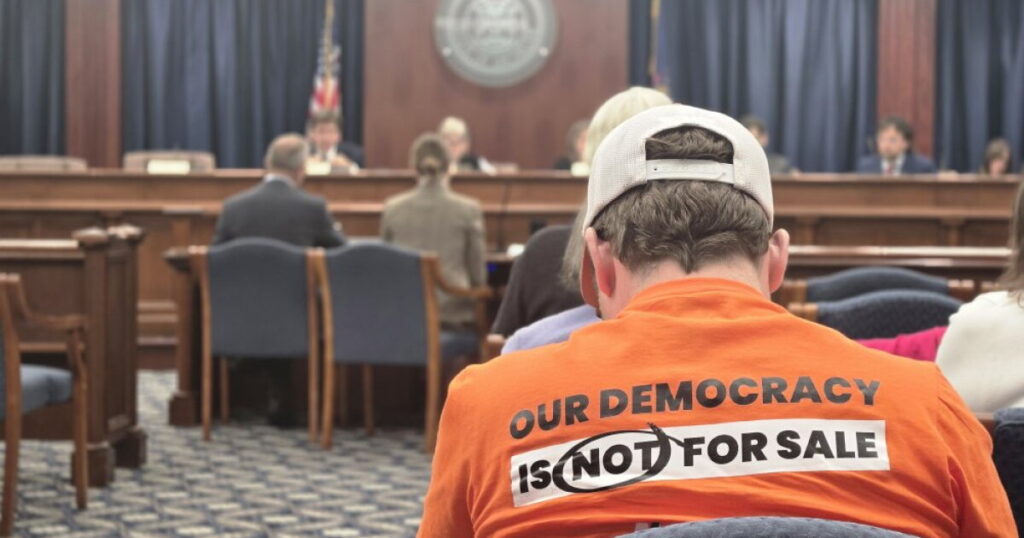
As Michigan’s election results near finalization, a significant policy aimed at curbing the influence of money in politics is under judicial scrutiny. The new measure, which seeks to restrict campaign donations from regulated utilities and major state contractors while enhancing transparency in political advertising, could soon become law if it withstands legal challenges.
Two lawsuits have been filed in federal court by public utilities and the Mackinac Center for Public Policy, citing concerns over First Amendment rights. These legal actions aim to prevent the implementation of the ballot measure.
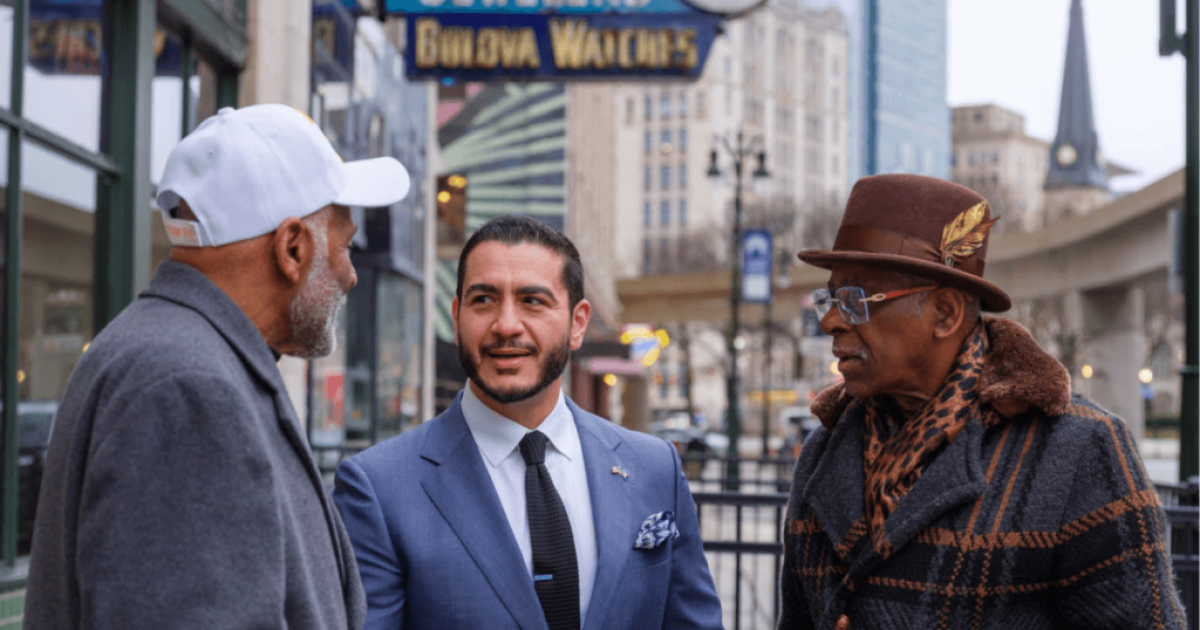
While Michigan government officials are named as defendants, the group behind the initiative, Michiganders for Money out of Politics, is seeking to intervene in court proceedings to defend the measure. Sam Bagenstos, the group’s attorney, emphasized the unique interests of the campaign, stating, “The proposed intervenors have very distinct interests that are not the same as the state because they are regulated by Proposal 2, and they participate in the political process that’s going to be governed by Proposal 2.”
This week, Money out of Politics, also known as Mop Up Michigan, filed motions to become a defendant in both lawsuits. Their filing includes Democratic state Rep.-elect Joanna Whaley, highlighting the personal stakes of coalition members in the political landscape affected by the proposal.
Bagenstos argued that the coalition seeks access to disclosures of independent expenditures that Proposal 2 mandates, ensuring a fair political process untainted by utility influence. In contrast, Patrick Wright, vice president for legal affairs at the Mackinac Center, contends that the state should solely defend the law, stating, “Once the law becomes the law, it’s the state of Michigan’s law. It’s no longer Mop Up Michigan’s law, or it doesn’t have really any ownership stake in it anymore.”
Wright further suggested that the arguments brought forth by Michiganders for Money Out of Politics do not offer anything beyond what the attorney general would provide in defense of the law. The federal judge presiding over the Mackinac Center’s lawsuit has requested a response by November 20, while the state elections board is set to finalize election results on November 23.
If no court delays occur, the measure could become law in early December, ten days after certification of the election outcome. Meanwhile, the utility-led lawsuit has already requested a temporary injunction to halt the measure’s enforcement, with the Mackinac Center planning to follow suit.
—
Read More Michigan News