Article Summary –
More than 9,700 residents in Michigan will receive notice that $21 million in medical debt has been forgiven as part of a statewide relief initiative facilitated by Governor Gretchen Whitmer in collaboration with the nonprofit Undue Medical Debt, which has already relieved over $221 million in medical debt for Michiganders. Whitmer has highlighted the struggle faced by families due to high costs and policy changes, such as significant cuts to Medicaid, and has proposed several measures to address medical debt, though these proposals are currently stalled in the state legislature. As part of a $4.5 million allocation in the 2024 state budget, combined with local funds, Michigan aims to eliminate $450 million in medical debt for approximately 180,000 residents, with forgiveness efforts targeting those earning up to 400% of the federal poverty level or those whose medical debts constitute 5% or more of their income.
Letters will soon reach over 9,700 Michigan residents, informing them that $21 million in medical debt has been erased statewide.
On October 14, Gov. Gretchen Whitmer announced the third wave of medical debt relief in collaboration with Undue Medical Debt, a national nonprofit dedicated to alleviating medical bill burdens. Michigan recipients have received over $221 million in medical debt relief so far, per the governor’s office.
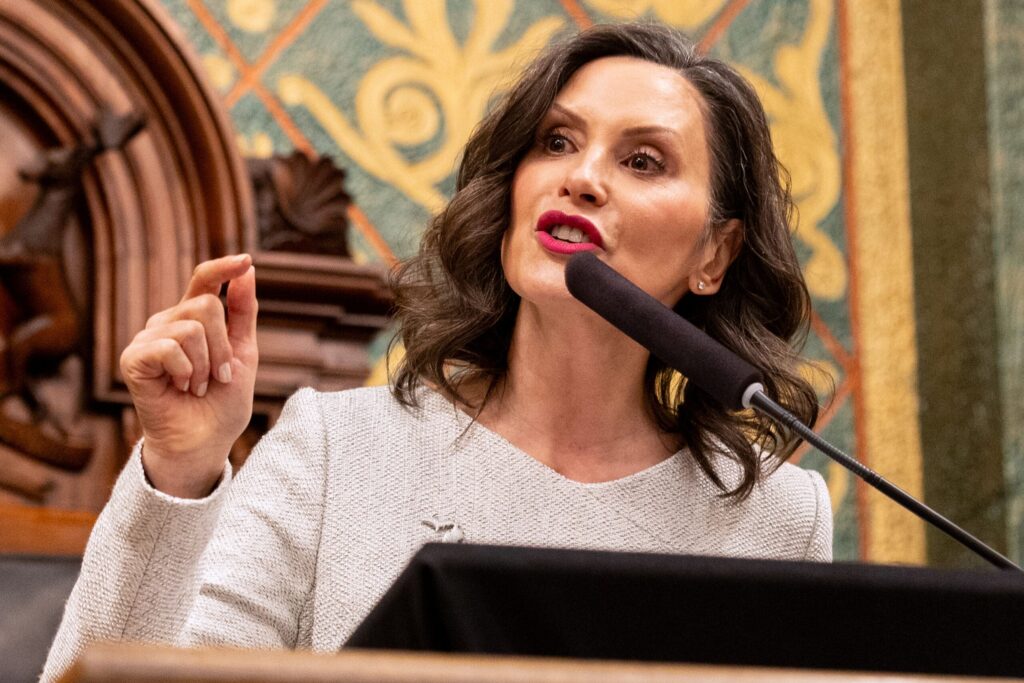
“This step ensures fewer Michigan families have to decide between groceries and medical bills, especially as many face rising costs due to DC Republicans’ tariffs, Medicaid cuts, and their Iran War,” Whitmer stated in a statement.
Michigan residents face what the Center on Budget and Policy Priorities describes as the largest Medicaid funding cut in U.S. history. Whitmer has previously voiced concerns about increasing medical debt.
In her State of the State address, Whitmer proposed measures like capping interest rates, keeping medical debt off credit reports, requiring hospitals to offer financial assistance, and banning home foreclosures due to medical debt. A bipartisan legislation package incorporating these ideas passed the Senate but stalled in the Republican-led House.
An estimated 100 million Americans have medical debt, as per a survey by Undue Medical Debt in 2023. Nearly half of the 2,663 respondents feel trapped, and many avoid treatment to prevent further debt.
Michigan’s debt forgiveness funding came from a $4.5 million allocation in the 2024 budget. Combined with local funds, this is set to erase $450 million in medical debt for over 180,000 Michiganders when fully distributed.
Undue Medical Debt buys unpaid medical bills in bulk from providers at a fraction of their cost. Eligibility is based on income; individuals qualify if they earn at or below 400% of the federal poverty level (approximately $100,000 annually for a family of three) or if medical debt constitutes 5% or more of their income. Payments are one-time and depend on community medical providers’ participation.
“Amid federal policies risking increased medical debt, this partnership shows states can protect residents,” said Allison Sesso, CEO of Undue Medical Debt, in a June announcement.
—
Read More Michigan News