Article Summary –
The One Big Beautiful Act, signed into law by President Trump, reduces Medicaid funding by $1 trillion over ten years, leading to closures and service cuts in healthcare facilities, particularly in rural Michigan. These cuts are expected to result in Michigan hospitals losing $28.4 billion, with rural hospitals at risk of closure or having already closed, and healthcare access becoming increasingly difficult for patients requiring services. Despite warnings from health advocates and experts about the financial strain on rural healthcare, several Michigan Republican representatives supported the bill, while Democratic officials opposed it, citing the impending rise in uninsured rates and healthcare facility closures as major concerns.
During last year’s Congress debate on the One Big Beautiful Act, health advocates cautioned that the bill’s $1 trillion cut over a decade from Medicaid and other federal health programs would threaten healthcare access, particularly in rural areas.
These concerns are now manifesting in Michigan. A new fact sheet from Protect Our Care reveals that since President Donald Trump enacted the bill last July, several Michigan hospitals and clinics have shut down or reduced services, with more at risk.
The fact sheet states Michigan hospitals are projected to lose $28.4 billion over the next decade due to Medicaid cuts. As of August 2026, 23 Michigan healthcare providers are at risk, have announced cuts, or are closing.
Rural health facilities are especially impacted. In September, Aspirus Health stated it would cease labor and delivery services at Ironwood Hospital in the Upper Peninsula.
In June, Sturgis Hospital in southern Michigan’s St. Joseph County declared it would shut down. The decision is due to financial challenges facing rural healthcare, including decreasing reimbursement rates, rising costs, and lower patient utilization.
Amber Bellazaire, a senior policy analyst for the Michigan League for Public Policy, highlighted in an interview that although many Medicaid cuts haven’t yet taken effect, providers are factoring them into planning.
“We worry this change will increase Michigan’s uninsured rate,” said Bellazaire, a part of Protect MI Care, a coalition focused on defending Medicaid.
She pointed out that hospitals don’t get paid when uninsured patients require emergency care they can’t afford.
Bellazaire added, “Hospitals in rural areas with thin margins face unsustainable situations, potentially leading to service cuts or even closing service lines, including labor and delivery or psychiatric services.”
The Center for Healthcare Quality and Payment Reform lists Rural Hospitals at Risk of Closing. By July 2026, 10 Michigan rural hospitals are at risk, with three in immediate danger.
The closures and service reductions mean patients must travel farther for care.
Henry Ford Health announced in August it would close the emergency department at River District Hospital in East China, directing patients to facilities 25-40 minutes away in Chesterfield and Clinton Township.
“If a nearby hospital closes, and you’re about to have a baby, the closest facility may now be much farther away,” Bellazaire noted. “Frequent doctor visits late in pregnancy become burdensome if transportation is a challenge.”
Experts warned the One Big Beautiful Bill Act could financially push endangered rural healthcare facilities over the edge, depriving communities of nearby care.
“Our hospitals and providers face cutting services or closing,” Michigan Department of Health and Human Services’ Elizabeth Hertel warned in July 2025, according to a Michigan Advance report. “They stop serving everyone in the community.”
“Funding cuts mean care cuts,” stated Brian Peters, CEO of the Michigan Health and Hospital Association, in a July 2025 statement. “Michigan hospitals could lose over $6 billion over a decade.”
Despite these warnings, Michigan Republican U.S. Reps. Tom Barrett, Jack Bergman, Bill Huizenga, John James, Lisa McClain, John Moolenaar, and Tim Walberg voted for the law.
Michigan Democratic Sens. Gary Peters and Elissa Slotkin and Democratic Reps. Debbie Dingell, Kristen McDonald Rivet, Hillary Scholten, Haley Stevens, Shri Thanedar, and Rashida Tlaib voted against it.
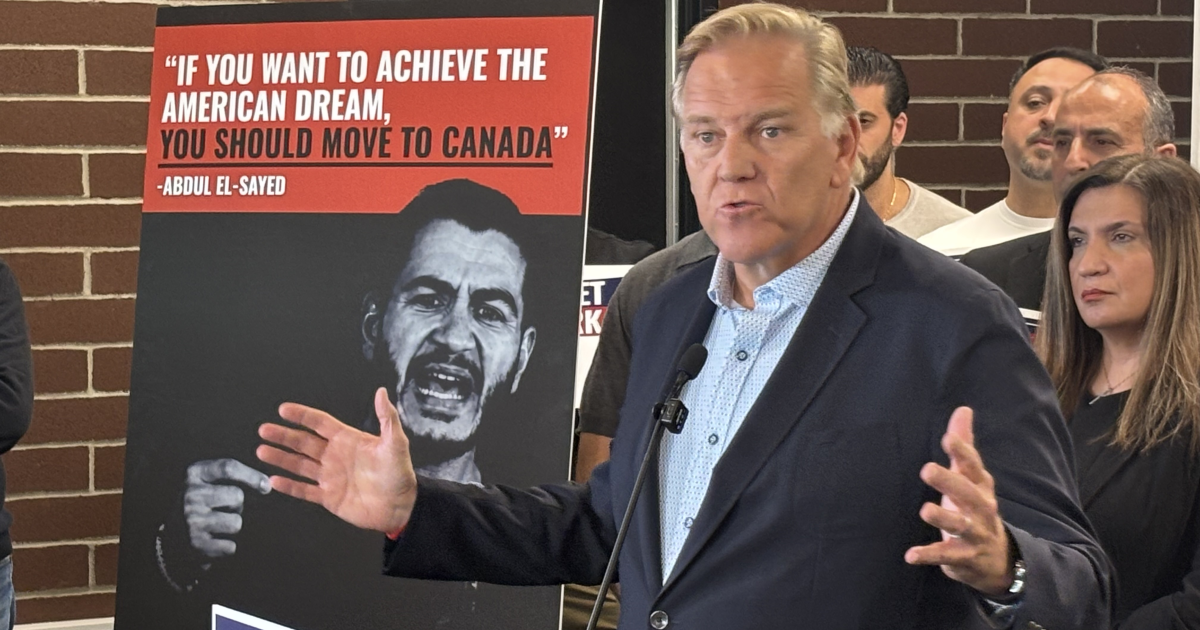
Republican U.S. Senate nominee Mike Rogers celebrated the bill’s passage, praising it as a victory for families.
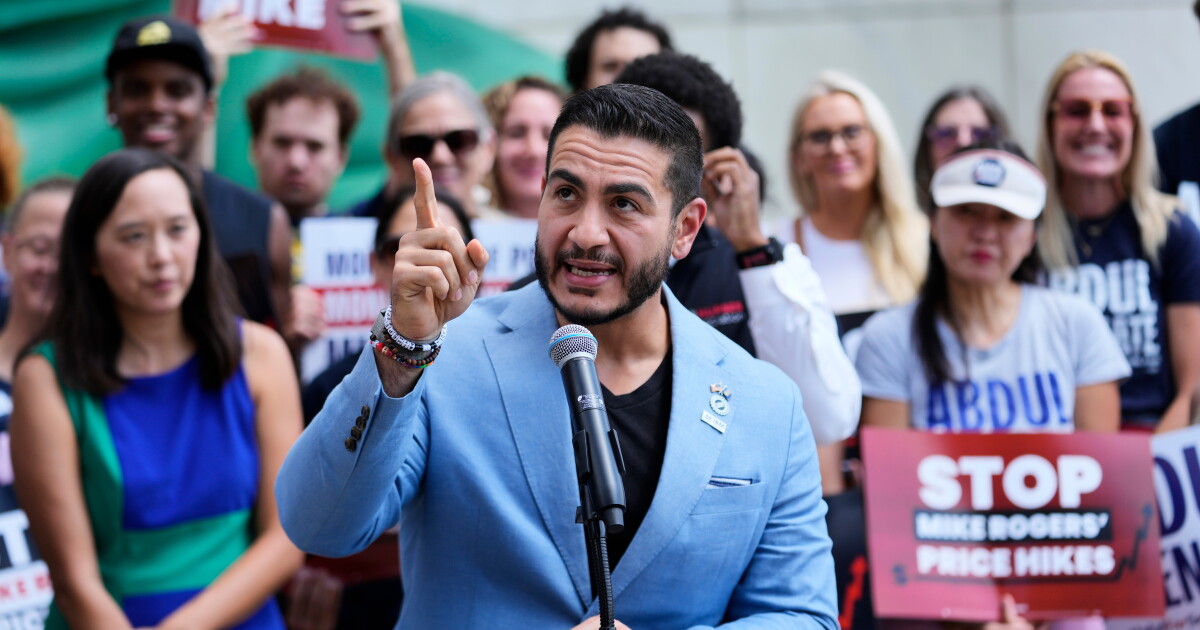
Democratic opponent Abdul El-Sayed vows on his campaign site to repeal Medicaid and ACA subsidy cuts if elected.
—
Read More Michigan News