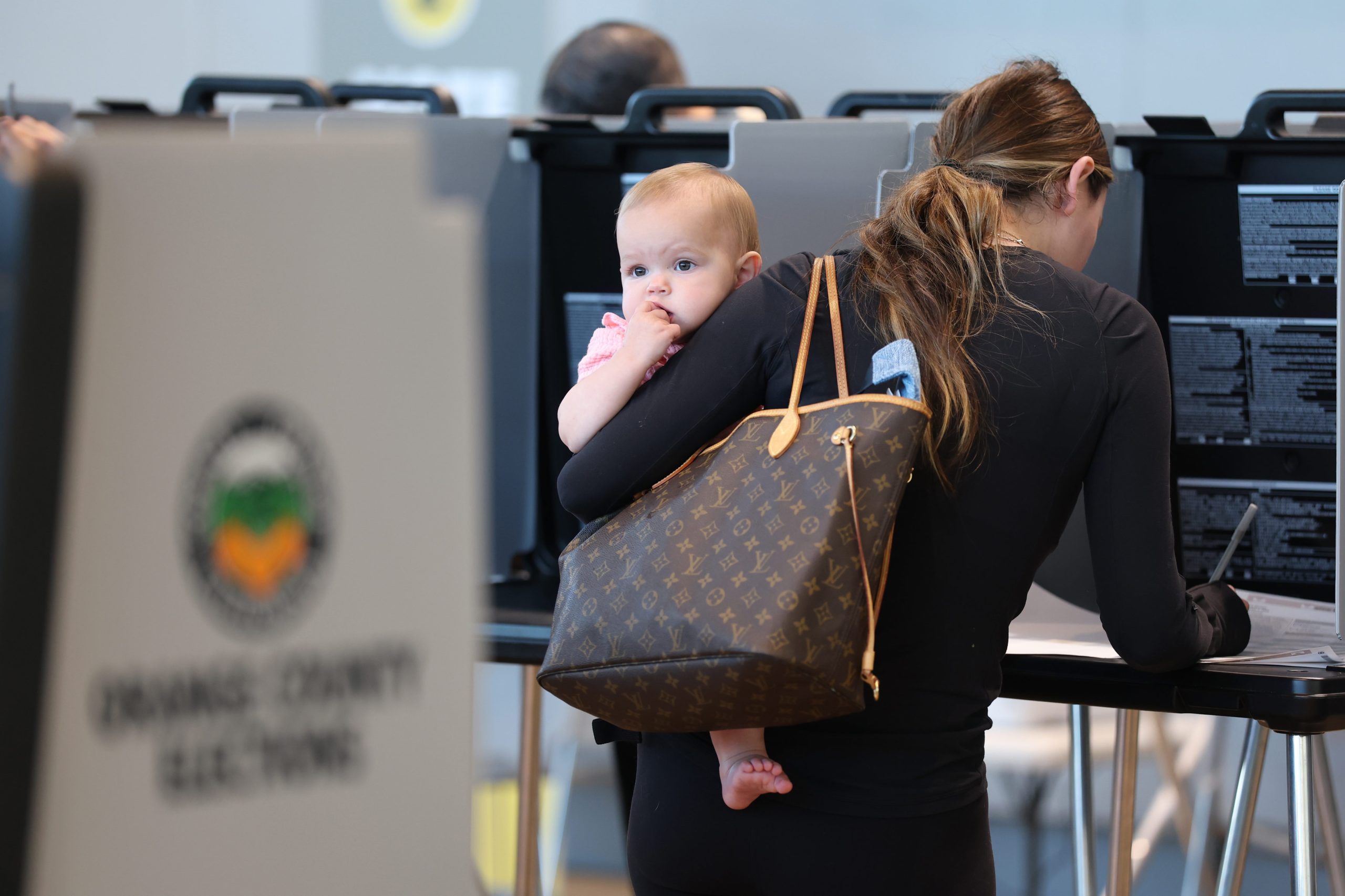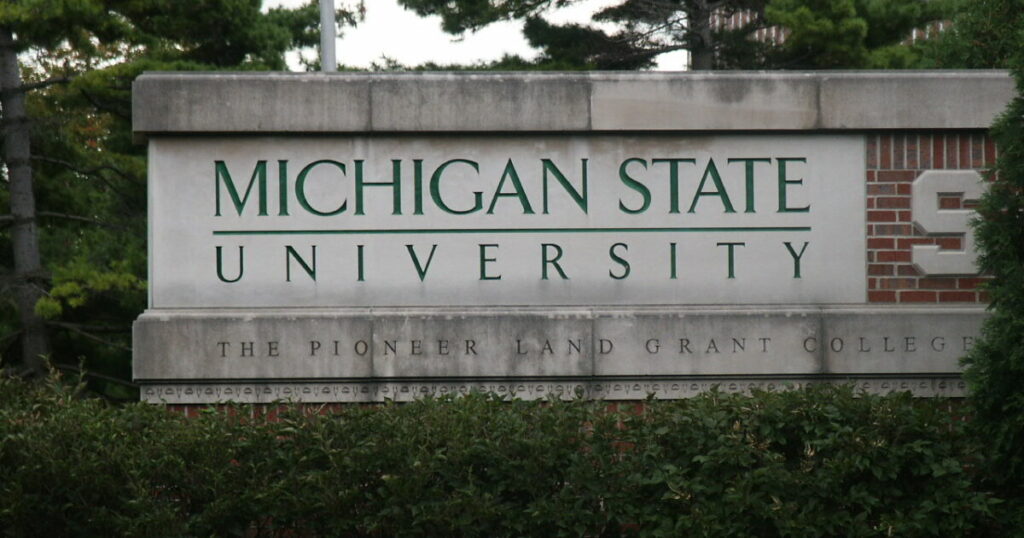
As Michigan’s midterm elections draw near, the spotlight may be on the race for the U.S. Senate seat, but voters are also tasked with electing members to the governing boards of the state’s major public universities. These elections, often less publicized, are pivotal for institutions such as the University of Michigan, Michigan State University (MSU), and Wayne State University, where board members serve eight-year terms, elected in staggered cycles.
Michigan Public took the opportunity to interview candidates from the Democratic and Republican parties vying for MSU’s Board of Trustees, exploring their visions and aspirations for the university. The Democratic nominees include incumbent trustees Kelly Tebay Zemke, a director at the Henry Ford Museum, and Brianna Scott, an attorney and current board chair. Representing the Republican Party are Roger Victory, a state Senator and farmer, and Julie Maday, a former Novi City Council member.
Voters can select up to two candidates, regardless of party affiliation, allowing for a mix of choices in this unique election format.
Divisiveness and Ethics on the MSU Board
The current board has faced significant internal conflict, notably influencing MSU President Kevin Guskiewicz’s near departure for Clemson University despite a sizable pay increase. This discord has eroded public trust, prompting a revised ethics code focused on board loyalty and limiting dissent after decisions are made. While some, like Scott, believe in the new accountability measures, others, including Maday, argue it infringes on free speech.
“This goes too far,” Maday expressed. “This is an infringement on free speech. A duty of loyalty is not why we are elected to this board.”
Concerns about undermining university administration are also prevalent. “Our job is to make sure that Michigan State is going to survive for another hundred years,” said Tebay Zemke. “Continuing to undermine the administration and the president, who we have entrusted to do their job, is not helpful to the university.”
Affordability and Funding
The Democratic candidates highlight initiatives such as the Spartan Tuition Advantage, aiding students from lower-income families, and a tuition freeze during the pandemic. Tebay Zemke hopes to further extend these benefits to cover living costs as well.
In contrast, the Republican candidates focus on addressing MSU’s $12 million budget deficit, attributing it to reduced state funding. Victory emphasizes the importance of aligning the university’s priorities with those of state legislators to secure necessary financial backing.
“I have good working relationships with legislators,” Victory said. “I understand what their perspective is. And if Michigan State is not in line with its role, the legislators are going to say, ‘why are we funding MSU?’”
Meanwhile, Scott and her party advocate for a shift in state funding policies, aiming to increase MSU’s endowment through donor engagement.
Culture Wars
The ongoing efforts to address sexual misconduct at MSU, particularly in the wake of the Larry Nassar scandal, remain a key focus for the Democratic incumbents. Tebay Zemke is proud of the progress made, though acknowledges more work is needed.
Conversely, Maday has emphasized conservative positions, challenging “cancel culture” and questioning the inclusion of transgender athletes in women’s sports. Despite no transgender athletes currently in MSU’s varsity programs, she believes the issue requires discussion.
The Democratic trustees also tout their success in improving campus amenities, with Scott particularly proud of the new multicultural center, described as “the heartbeat on campus.”
—
Read More Michigan News