
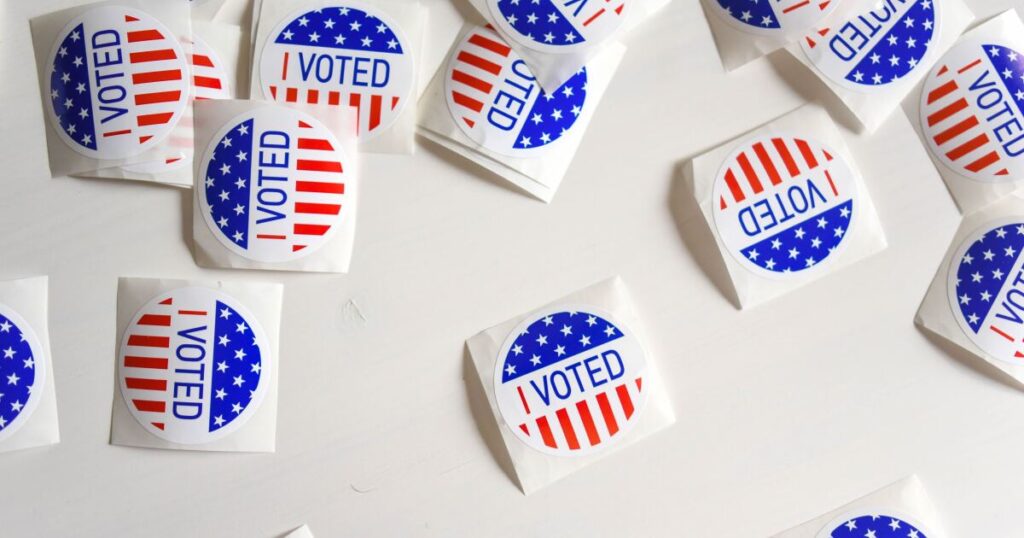
Legal Battle Ensues Over Michigan’s Voter ID Amendment Proposal
A legal dispute has erupted in Michigan over a proposed constitutional amendment aimed at altering the state’s voting requirements. The proposal, championed by Americans for Citizen Voting Michigan, seeks to enforce proof of citizenship for voter registration and mandate photo identification for vote validation.
The Michigan Board of State Canvassers recently found itself at an impasse regarding the acceptance of late evidence that could confirm the campaign’s collection of sufficient valid signatures to place the measure on the ballot. This stalemate has stalled the amendment’s progress.
In response, the advocacy group has turned to the state Supreme Court for intervention. “More than 700,000 Michiganders signed this petition. We have the signatures required to qualify, and we are asking the Michigan Supreme Court to ensure those voters are not silenced because the Board of State Canvassers failed to do its job,” stated Paul Jacob, the campaign chair, in a press statement regarding the lawsuit.
Earlier this year, the campaign submitted a significantly higher number of signatures than required. However, following an assessment of a sample of these signatures and subsequent challenges to some, nonpartisan election officials determined the campaign narrowly missed the mark.
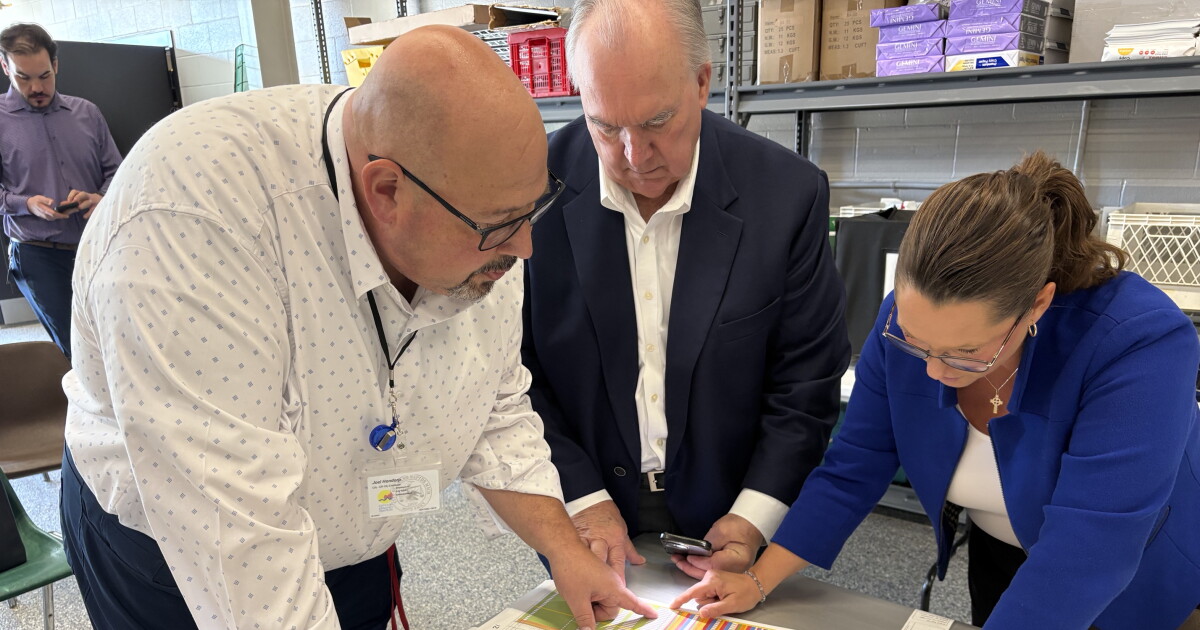
To persuade the board, the campaign presented notarized affidavits from a few rejected signers, asserting that the signatures should be counted despite discrepancies with state records. During a board meeting, members were divided on whether these new affidavits matched existing voter records. The consensus was that sufficient affidavits matched to potentially meet the signature threshold. Yet, the affidavits in question were not submitted until the meeting commenced, violating the board’s rule requiring all materials be submitted 48 hours in advance.
The board’s Democratic members insisted on strict adherence to this rule, while Republican members were amenable to accepting the late affidavits. The Michigan Supreme Court’s interpretation of this 48-hour submission rule could prove decisive in the lawsuit, which claims that the board’s obligation to validate petitions supersedes its procedural regulations.
The lawsuit also demands that the initially rejected affidavits be considered valid. A resolution is sought by September 1, as the deadline for finalizing the November ballot approaches, as outlined in this document.
Simultaneously, the issue has garnered attention from state legislators. The Michigan House of Representatives has recently established a select committee to investigate the state elections bureau’s handling of the matter, as noted in a report.
—
Read More Michigan News





![Botched Ad Mix-Up: Super PAC Error in Arizona Congressional Race[embed]https://www.youtube.com/watch?v=bEMgIlCkHz0[/embed]](https://www.kitchentablenews.org/wp-content/uploads/2026/10/Botched-Ad-Mix-Up-Super-PAC-Error-in-Arizona-Congressional-RaceembedhttpswwwyoutubecomwatchvbEMgIlCkHz0embed.com2F0e2F962Fe971102f49e7a4f2a64fd3cc60a22Fjonatha.png "Botched Ad Mix-Up: Super PAC Error in Arizona Congressional Race[embed]https://www.youtube.com/watch?v=bEMgIlCkHz0[/embed]")