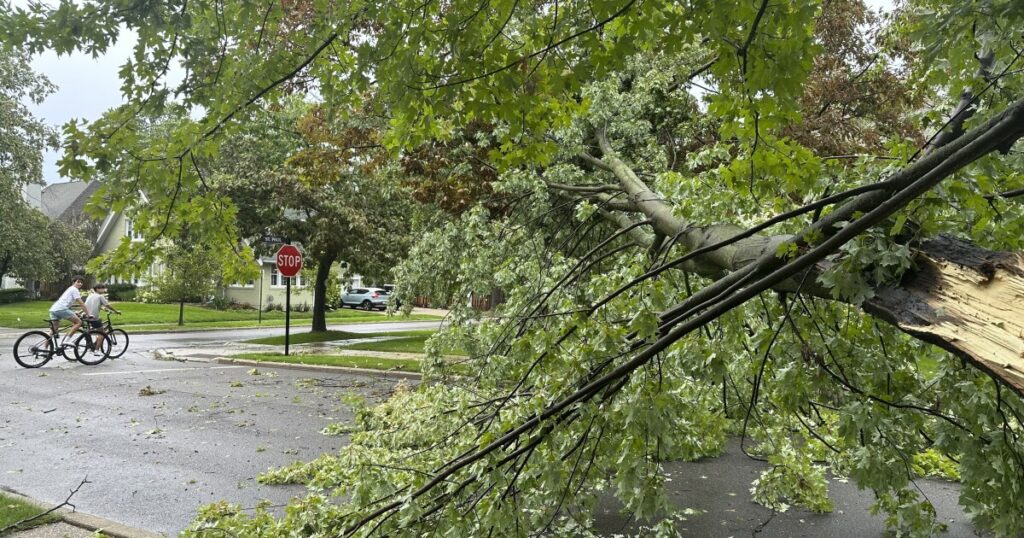
With temperatures soaring across the United States due to an intense heat wave, Michigan is bracing for severe weather conditions as the week progresses. Here’s how residents can stay prepared and safe during these weather challenges.
Heat Preparedness
How to Beat the Heat?
To combat the high temperatures, health experts suggest maintaining hydration, minimizing strenuous activities outdoors, opting for lightweight clothing, seeking air-conditioned spaces, and checking on those who are more vulnerable to heat-related health issues. Detailed guidelines are available here.
Finding Relief from the Heat
Many cities provide cooling centers for the public. To locate a nearby cooling center, residents can dial 2-1-1 for assistance. Links to city and county websites with details on cooling center hours of operation are also available.
Recognizing Heat-Related Illnesses
Heatstroke: Symptoms include high body temperature, altered mental state, rapid heart rate, and headaches. If these symptoms appear, seek medical help immediately while trying to cool the individual by moving them to a shaded or indoor location and removing excess clothing. More information is provided here.
Heat Exhaustion: This condition is marked by heavy sweating, dizziness, fatigue, muscle cramps, and nausea. It is advised to rest, move to a cooler area, and hydrate. If symptoms persist or worsen, contact a healthcare professional. Further details can be found here.
Severe Weather Preparedness
Formulating an Emergency Plan
Creating a robust emergency plan is essential. The Michigan Prepares program suggests scenario planning, such as determining meeting points if going home is difficult or communication is down during emergencies. It’s also wise to consolidate important contacts and medical information, and consider shelf-stable groceries. Templates and checklists are available here.
Dr. Natasha Bagdasarian, Michigan’s chief medical executive, emphasizes the importance, stating, “Household emergency plans are critical to family safety, particularly because severe weather can strike without warning.”
Before, During, and After Severe Weather
Preparation involves practicing drills, understanding weather alerts, and gathering necessary supplies like a battery-operated radio. Resources from the CDC on various natural disasters, including tornadoes, floods, and others, are available, along with multilingual fact sheets from the Michigan Department of Health and Human Services here.
Residents can also subscribe to emergency alerts via email or text.
Additional resources include a guide from the Michigan Public Service Commission on outage credits and insurance tips from the Department of Insurance and Financial Services post-severe weather. The Detroit Free Press provides a tool for tracking historical tornado data across Michigan here.
For more detailed information, visit michigan.gov/miready or follow the Michigan State Police, Emergency Management and Homeland Security Division on X and Facebook.
—
Read More Michigan News