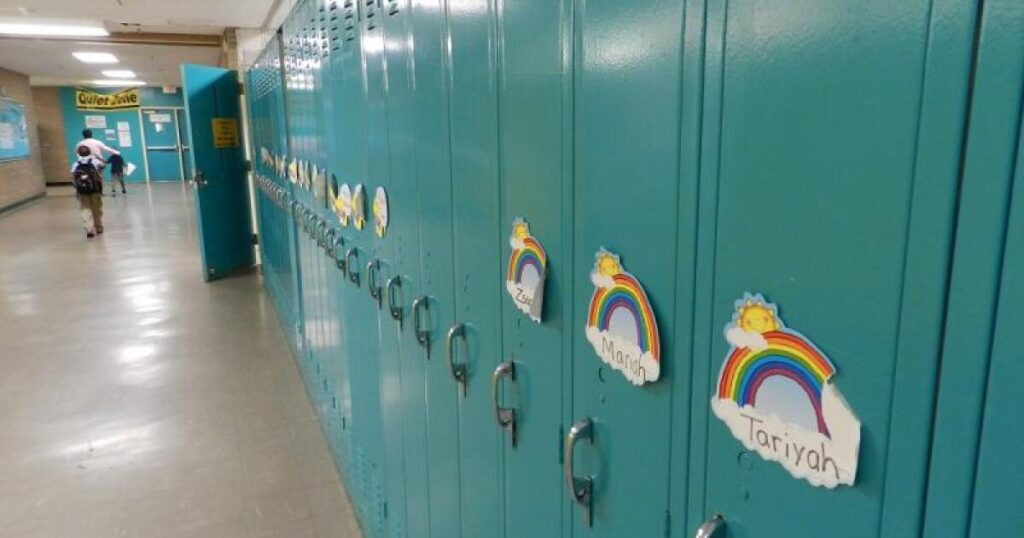
Across Southeast Michigan, a significant gap exists between the demand for and availability of after-school programs, as highlighted by a recent study from a nonprofit organization.
Research conducted by the Afterschool Alliance, a national nonprofit, indicates that more than 80% of children in the region lack access to these essential programs. The report sheds light on the unmet demand.
Nikki Yamashiro, vice president of research at the Afterschool Alliance, emphasized the high demand for these programs, which remain largely unfulfilled.
Data from the Michigan Afterschool Partnership reveals that nearly 500,000 parents in Southeast Michigan seek after-school programs for their children. However, only 90,000 children are currently enrolled. Statewide, approximately 680,000 young individuals are without access, translating to five out of six missing out on the opportunities these programs provide.
Yamashiro pointed to affordability, accessibility, and availability as significant barriers preventing more children from participating. “Parents are reporting that they are facing challenges affording after-school programs,” she remarked. “They’re saying that there isn’t a safe way for their child to get to or come home from after-school programs or that program locations aren’t convenient for them.”
The study highlighted several advantages of after-school programs, such as enhancing safety, improving school attendance, and fostering meaningful relationships with peers and educators.
Yamashiro noted that these programs bolster reading, writing, and teamwork skills while promoting physical activity. “It’s this incredibly rich environment that allows young people to explore and be curious and really be unafraid of needing to have that right answer,” she stated.
Programs vary widely, encompassing STEM, arts, dance, and theater. Parents in Southeast Michigan report that these programs assist them in maintaining employment and reducing stress. They also express strong support for public funding.
“What we have seen is that there’s just this clear need to boost public and private investments for after-school programming,” Yamashiro added.
Detroit’s Mayor Mary Sheffield has made expanding funding for after-school programs a priority. In her recent State of the City Address, she proposed a $500,000 boost to city funding, nearly a 25% increase. Her objective is to ensure an after-school program within a two-mile radius of every school in the city.
Yamashiro acknowledged that these efforts align with Michigan’s broader commitment to after-school initiatives, though the demand still surpasses available resources. “What is promising is that Michigan is a state that’s investing in after-school programs. But we see that demand for after-school programs continues to outpace access,” she concluded.
—
Read More Michigan News