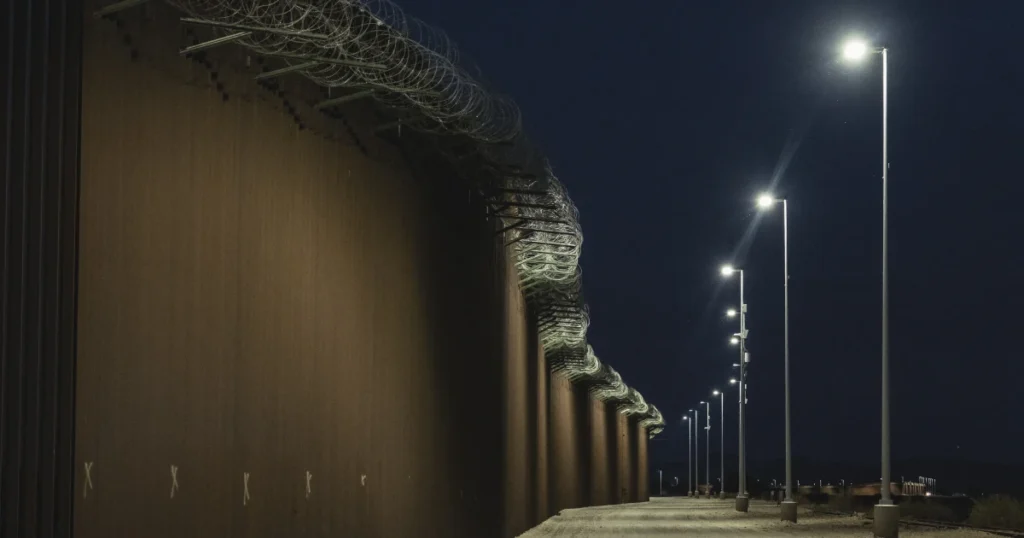
For the past two years, significant changes have reshaped the U.S. asylum system under the Trump administration, altering the landscape for those seeking refuge from persecution. The administration has suspended asylum claims at the U.S.-Mexico border, canceled numerous pending applications, and restructured the immigration court system, actions that critics claim have effectively dismantled a crucial avenue for asylum seekers.
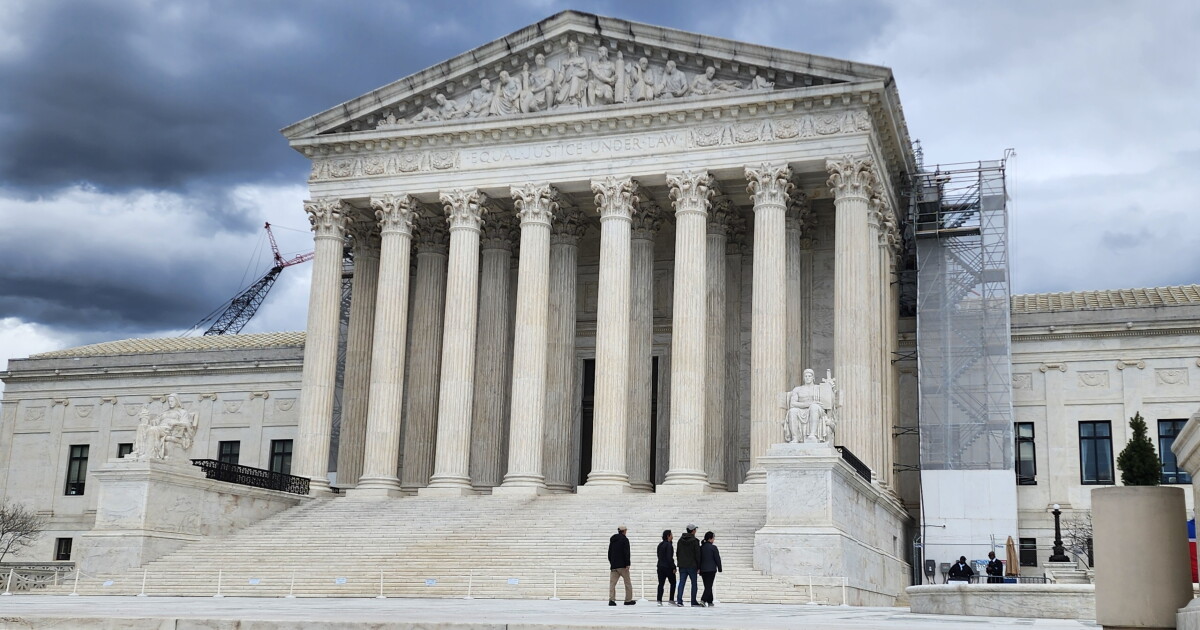
The U.S. Supreme Court is poised to examine the president’s authority to bypass Congress and existing federal immigration laws to halt access to asylum protections. The legal challenge to the president’s asylum ban, implemented shortly after President Trump resumed office, marks the latest in a series of legal battles against the administration’s sweeping immigration policy changes. Critics argue these policies have undermined due process rights and turned the immigration court system into an extension of Immigration and Customs Enforcement (ICE).
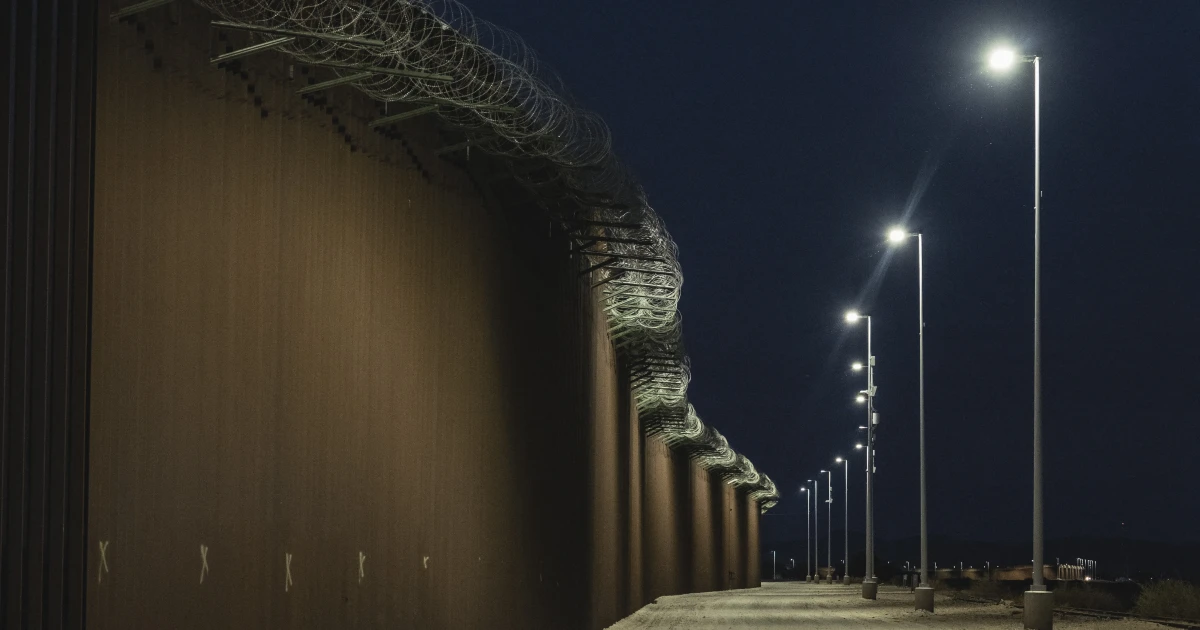
The Trump administration maintains that the proclamation is essential for preventing an “invasion” at the southern border. They argue that the policy addresses alleged abuses by “fake” asylum seekers. Since its implementation, the number of individuals crossing into the U.S. has drastically decreased, with U.S. Border Patrol apprehensions reaching their lowest recorded levels. According to U.S. Customs and Border Protection data, fewer than 99,000 apprehensions occurred at the Southwest border in fiscal year 2026, a 95% drop from the numbers seen under President Biden’s tenure.
Simon Hankinson, a senior research fellow at the Heritage Foundation, told NPR, “The difference between an average month under Trump and an average month under Biden is just staggering.” He warned that overturning the ban would be “disastrous.”
Hankinson and other conservative voices argue that most arrivals at the southern border do not meet the criteria for asylum. He suggested that those from nations like Venezuela or Afghanistan could seek asylum in Mexico, a “safe third country,” rather than the U.S. Nonetheless, critics counter that the administration’s policies have severely restricted asylum access.
Despite the apparent reduction in border crossings, lower federal courts have rejected the president’s rationale for the asylum ban. However, the policy largely remains in effect amid ongoing court disputes.
This December, the Supreme Court will evaluate the administration’s practice of deporting asylum seekers to third countries willing to process their claims, even if those nations face allegations of human rights violations. The administration is also engaged in a legal struggle over its efforts to indefinitely detain individuals in deportation proceedings.
Should the conservative majority on the Supreme Court side with immigrant advocates, the decisions could dismantle the Trump administration’s firm control over asylum approvals, which have reached historic lows. According to Syracuse University’s TRAC project, the national asylum denial rate soared to 94% in June, compared to about 50% in 2024, Biden’s last full year in office.
Lee Gelernt, lead counsel with the American Civil Liberties Union, asserted, “The president does not have the right to unilaterally override the protections Congress has afforded those fleeing danger.” Gelernt emphasized that “the courts are right to reject this unprecedented power grab that would put countless lives in danger.”
Immigration attorneys, including Madhavi Narayanan from Human Rights First, are hopeful for favorable Supreme Court rulings. Narayanan represents clients who, before Trump’s second term, had strong asylum claims. One client, identified as ZG, a 30-something Ethiopian man, fled to the U.S. after suffering torture and now faces deportation to Uganda, a country unfamiliar to him.
ZG’s case highlights the impact of the administration’s strategy to dismiss asylum claims by arguing they are incomplete or suggesting third-country alternatives. The Department of Homeland Security (DHS) has successfully canceled thousands of pending cases, reflecting a broader effort to limit judicial discretion and expedite deportations.
Jennifer Peyton, a former assistant chief immigration judge, expressed concern about the changes within immigration courts, where many new judges lack immigrant-defense experience. Peyton noted, “The vast majority have not been taught the process of evaluating a case,” emphasizing that procedural barriers have been erected to undermine due process for noncitizens.
—
Read More Michigan News