Supreme Court to Examine Trump’s Asylum Restrictions at U.S.-Mexico Border
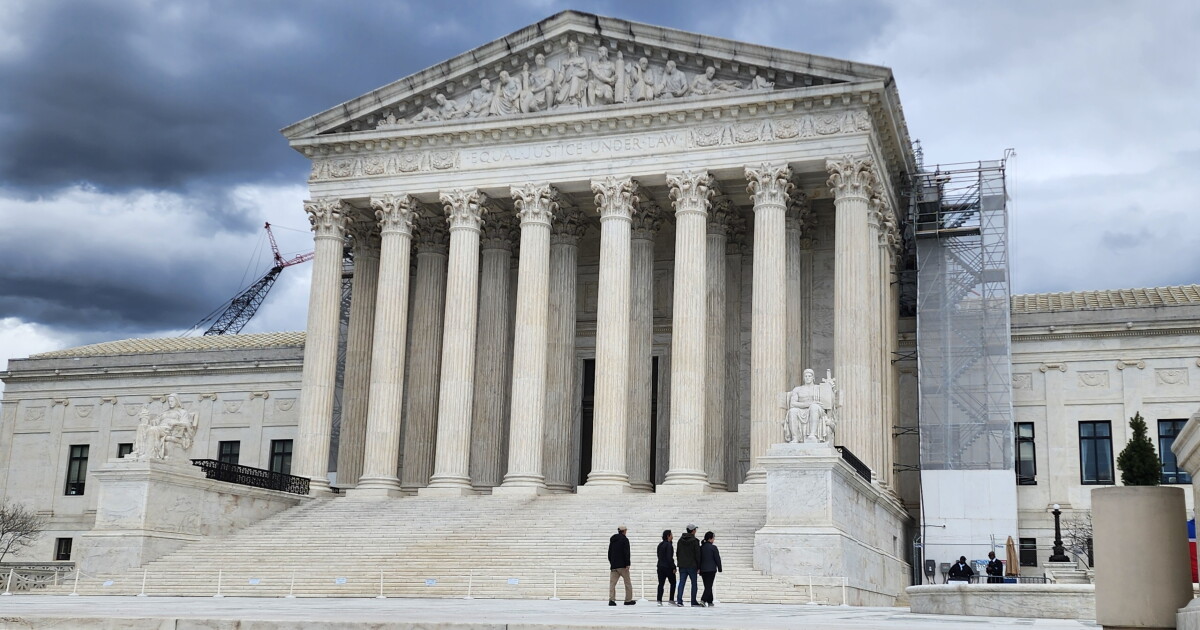
Amid debates over immigration policies, the U.S. Supreme Court is set to determine the legality of President Trump’s unilateral decision to suspend asylum at the U.S.-Mexico frontier. This decision, which has been in place nearly two years, has sparked significant controversy and legal challenges, questioning the president’s authority to sidestep Congress.
The legal challenge, a pivotal case against the administration’s sweeping immigration reforms, raises concerns about the erosion of asylum seekers’ rights. Critics argue that the Trump administration’s actions have turned immigration courts into extensions of Immigration and Customs Enforcement (ICE), undermining due process.
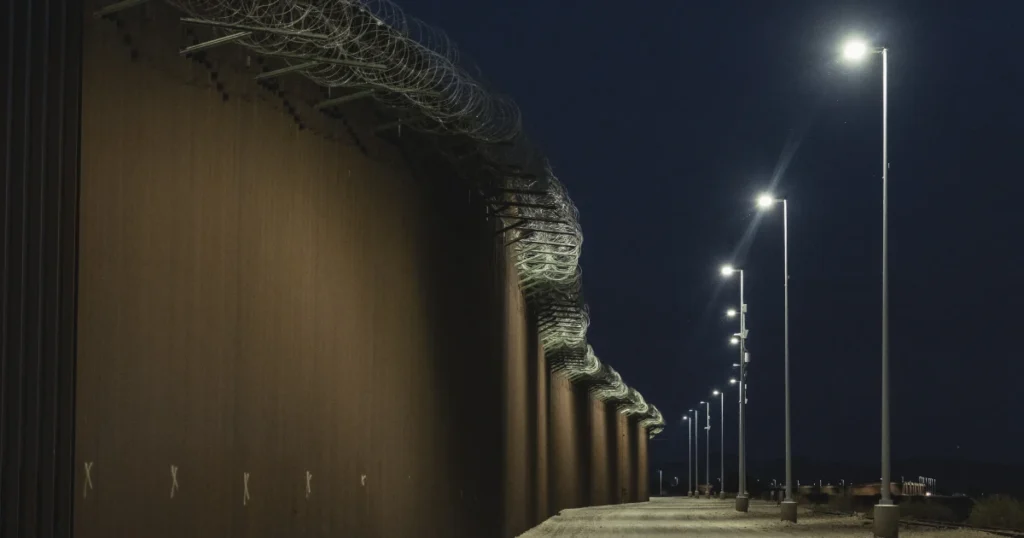
The administration defends its proclamation as essential for national security, citing a dramatic reduction in border crossings as evidence of its necessity. U.S. Customs and Border Protection data reveals a significant decline in apprehensions, with fewer than 99,000 occurrences in fiscal year 2026, a stark contrast to figures during the Biden era.
Simon Hankinson of the Heritage Foundation underscores the disparity, noting, “The difference between an average month under Trump and an average month under Biden is just staggering.” He warns that reversing the ban could have serious implications.
Critics, however, emphasize the adverse effects on asylum access. Despite reduced border activity, lower courts have challenged the ban’s validity, yet it persists amid ongoing legal disputes.
In December, the Supreme Court will review the administration’s contentious practice of deporting migrants to third countries, despite concerns over human rights and the risk of return to unsafe conditions.
The administration faces another lawsuit challenging its policy of prolonged detention for deportation proceedings. A ruling in favor of immigrant advocates could dismantle the current restrictive asylum system, where denial rates have surged to 94% in June, according to TRAC data.
“The president does not have the right to unilaterally override the protections Congress has afforded those fleeing danger,” asserts Lee Gelernt of the ACLU. He anticipates presenting their case to the Supreme Court, highlighting the potential dangers of the administration’s policies.
Immigration attorney Madhavi Narayanan represents clients like ZG, an Ethiopian man seeking asylum after enduring torture. She describes ZG’s case as straightforward under previous administrations but complicated by current policies. ZG now faces deportation to Uganda, a country foreign to him.
Narayanan’s experiences reflect broader systemic changes in immigration courts, where judges face constraints and summary removals are prevalent. The administration’s strategy aims to reduce asylum applications by terminating claims or redirecting applicants to third countries.
The Department of Homeland Security has successfully canceled thousands of cases, a tactic that critics argue undermines due process and judicial independence.
Former immigration judge Jennifer Peyton, who now represents asylum seekers, notes dramatic shifts in the immigration court system. She highlights the replacement of experienced judges with those aligned with the administration’s agenda, impacting case evaluations and procedural fairness.
Peyton observes, “The vast majority have not been taught the process of evaluating a case, but rather the shortcuts to make sure that these procedural roadblocks come up, to make sure that the noncitizens are stripped of their due process.”
Copyright 2026 NPR
—
Read More Michigan News