The political landscape is witnessing significant shifts as former President Trump continues to exert influence over Republican primaries. His support has been pivotal in several recent contests, notably in Kentucky.
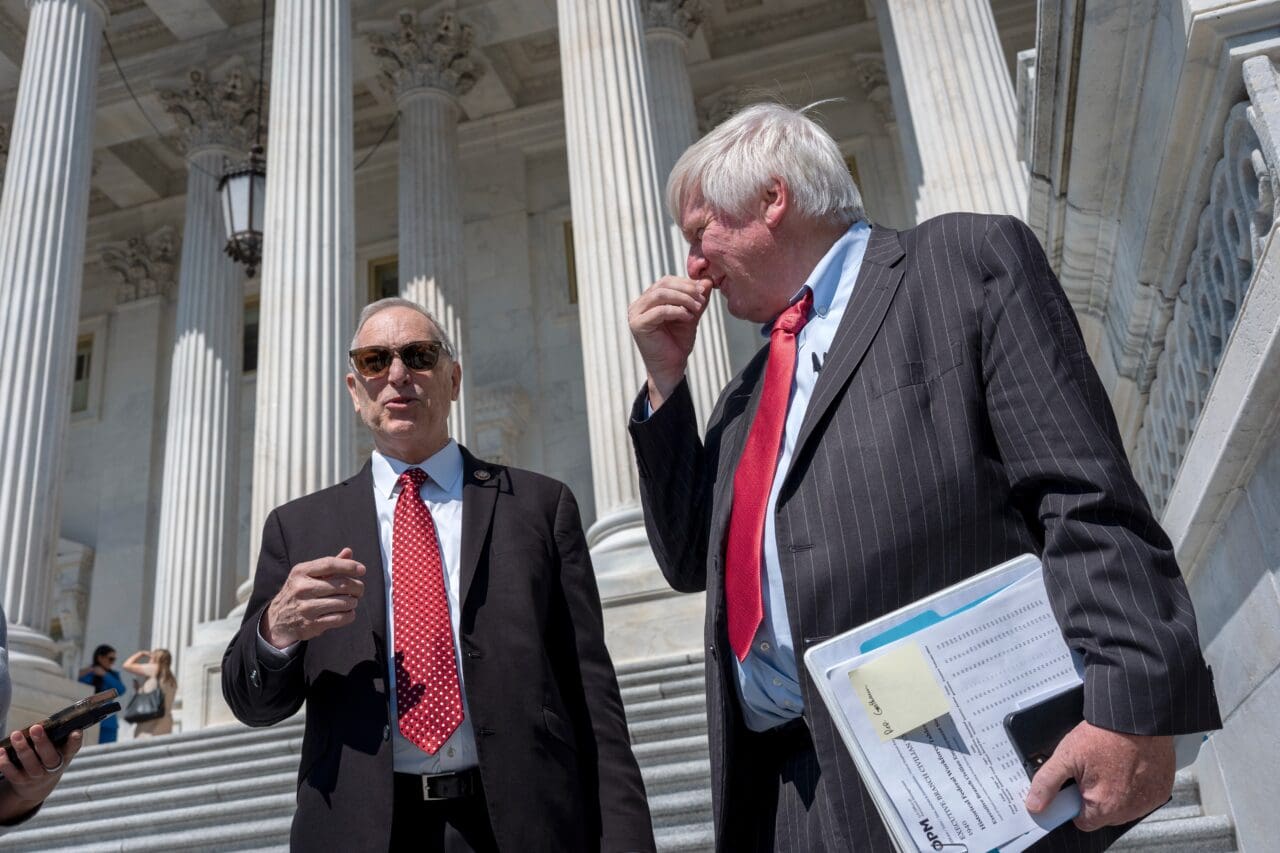
In Kentucky, Rep. Thomas Massie was unseated by a candidate endorsed by Trump. This outcome followed a blitz of advertising worth tens of millions of dollars targeting Massie. According to AdImpact, this marked the costliest House primary to date, with $33 million spent on TV ads.
While Trump’s influence is profound in these primaries, the general election presents different challenges. His popularity with the Republican base contrasts sharply with his unpopularity among the broader electorate. This duality poses strategic questions for Republican candidates facing swing districts and states.
Insights from Recent Elections
Trump’s Continued Influence
Trump’s dominance in Republican politics was underscored by Massie’s defeat. Trump, describing Massie as a “thorn-in-Trump’s-side,” endorsed Ed Gallrein, a former Navy SEAL officer, who emerged victorious by a significant margin.
This victory follows a similar outcome for Republican Sen. Bill Cassidy in Louisiana and reflects the broader trend of Trump-backed candidates succeeding. Another key figure, Georgia Secretary of State Brad Raffensperger, failed to advance in his gubernatorial bid, a repercussion of his refusal to overturn Georgia’s 2020 election results in favor of Trump.
General Elections Present Unique Challenges
While Trump’s clout is evident in primaries, general elections are a different battlefield. Georgia serves as a pertinent example, where the political climate is increasingly competitive. Although Republican candidates embrace Trump’s support, they must navigate the complexities of appealing to a diverse electorate.
Alabama remains a stronghold for conservatives, contrasting with Georgia’s purple status, where Democrats hold both Senate seats. As Republicans prepare for a runoff on June 16, they must weigh Trump’s influence against his polarizing effect on moderate and swing voters.
Economic Messaging in Swing Districts
Republicans in pivotal districts are focusing on economic issues. Pennsylvania, with its toss-up congressional races, exemplifies this strategy. Republican Rep. Ryan Mackenzie, facing Democrat Bob Brooks, emphasizes tax cuts and economic relief for working families in his campaign.
Democrats counter by highlighting Brooks’ grassroots credentials, portraying him as a champion against corporate greed. The economic narrative will be crucial in determining the success of candidates in such competitive districts, where Trump’s economic approval ratings remain low.
Trump’s Impact in Texas
In Texas, Trump’s endorsement of Ken Paxton for the Republican primary runoff against Sen. John Cornyn highlights his ongoing influence. Paxton’s support for the SAVE America Act, a voting law championed by Trump, likely swayed Trump’s decision.
This endorsement sets the stage for an intense contest, as Paxton and Cornyn vie for the Senate seat. Although Texas is traditionally Republican, the race is expected to be costly as Republicans aim to maintain their hold on the seat.
Paxton is slightly favored against Democratic nominee James Talarico, but the cost of securing this seat will be substantial, with Trump’s PAC, MAGA Inc., expected to play a significant role.
—
Read More Michigan News