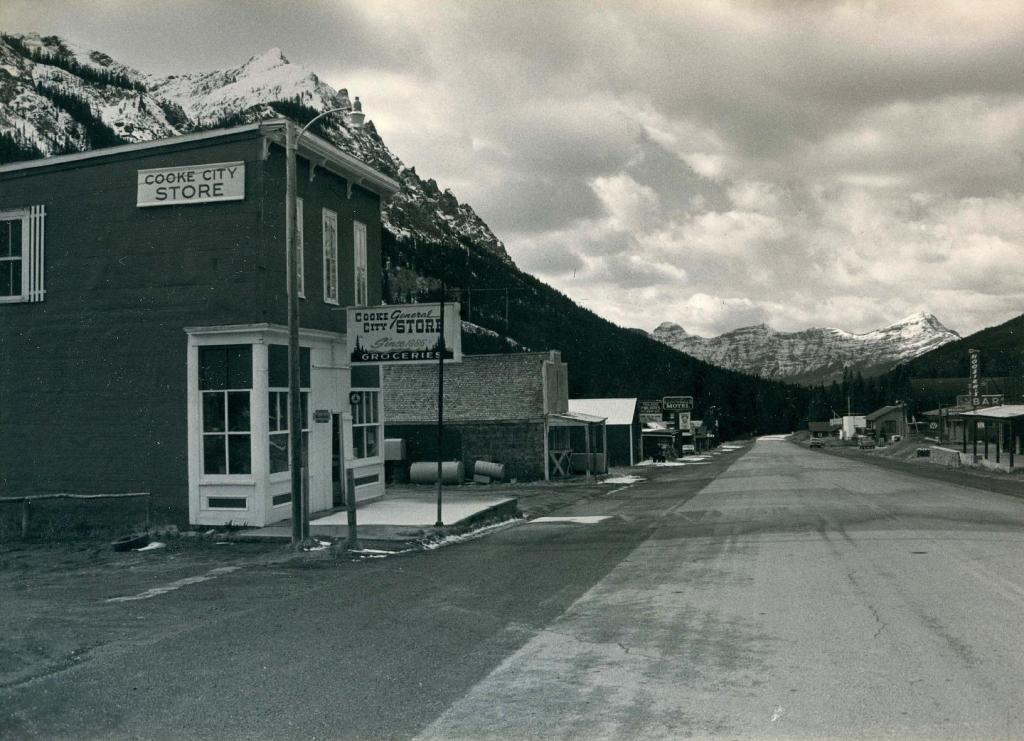

Just outside Yellowstone National Park’s northeast corner, a log sign with the “Prayer of the Woods” blends into the lodgepole pines. This poetic artifact is visible from the road leading to the park through Cooke City-Silver Gate. The entrance, the park’s least trafficked, is a gateway to the Lamar Valley and the scenic Beartooth Highway, connecting Cooke City to Red Lodge.
On October 9, the Montana Department of Transportation closed the Beartooth Highway for winter, and Yellowstone’s Cooke City-Silver Gate entrance also shut its kiosks. The closure left the “Prayer of the Woods” sign to endure the winter snows, unseen by visitors until Memorial Day. The sign’s message has left a lasting impression since its discovery.
During a solo camping trip, the sign caught my attention before entering Cooke City. I stopped to read the weathered words, feeling drawn to this sacred contract between humanity and nature. The air felt electric, cooler than near Gardiner, and the experience was transformative.
The “Prayer of the Woods” is a reminder of our reliance on forests, a stark spiritual anchor amid environmental degradation. Nature is not an external entity but a part of us, offering shelter, sustenance, and a final resting place.

“I am the heat of your hearth on the cold winter nights, The friendly shade screening you from the summer sun.”
First carved in Portuguese, the poem has adorned signs in Portugal’s forests for over a thousand years, with no known author. It appears in European woodlands and several U.S. state parks, including Michigan’s Tahquamenon Falls and Florida’s Highlands Hammock State Park.
“Prayer of the Woods” emphasizes our relationship with trees, recognizing their gifts—warmth, shelter, sustenance. The poem’s universal simplicity and gratitude resonate deeply, reminding us that trees are more than just scenic backdrops.
In Cooke City, surrounded by one of Earth’s last intact temperate ecosystems, the prayer felt especially relevant. It served as a reminder that forests are more than just adventure sites; they represent a deeper kinship with nature.
The unique environment of Cooke City-Silver Gate fosters an artistic community. Many newcomers are artists and writers drawn by the area’s rugged beauty and sense of peace. “Essentially, what drives the artistic community here is a love of nature,” says Chris Warren, a long-time resident.
Cooke City sits amidst wilderness that includes grizzlies, wolves, and Montana’s highest peak, Granite, reaching nearly 13,000 feet. The area’s remote location enhances its allure, offering a sense of rugged independence and artistic inspiration.

“And my fruits are refreshing draughts quenching your thirst as you journey on.”
Cooke City, with its unique identity, becomes isolated from the rest of Montana when the Beartooth Highway closes. Its high altitude and heavy snowfall create a snowmobiling haven, attracting tourists seeking pristine snow and a Wild West vibe.
Despite its remote location, Cooke City thrives on artistic spirit and community resilience. Its artistic identity dates back to the 1950s when artists like Mary Blain settled here, attracted by the area’s beauty and solitude.
The community’s creative spirit is evident in local festivals and cultural events. The Forget-Me-Knot Fest, inspired by local lore, celebrates regional arts and fosters a deeper understanding of the area beyond its role as a gateway to Yellowstone.

“I am the beam that holds your house, the board of your table, the bed on which you lie, and the timber that builds your boat.”
Ernest Hemingway drew inspiration from Cooke City’s surroundings during his stays at the L-Bar-T Ranch. This setting influenced his writings, including For Whom the Bell Tolls and Death in the Afternoon, capturing the area’s rugged charm.
Chris Warren, a Hemingway scholar, has explored the connection between the author and Cooke City, revealing its influence on his works. Warren’s research highlights the area’s significance in Hemingway’s life and the broader literary landscape.
Warren’s work led to the 2022 International Hemingway Festival, showcasing Cooke City’s vibrant community and artistic spirit. Despite challenges, the festival celebrated the area’s cultural and literary heritage, elevating its profile among literary enthusiasts.

“I am the handle of your hoe, the door of your homestead, the wood of your cradle, and the shell of your coffin.”
The Hemingway Festival highlighted Cooke City’s resilience and creative spirit amid challenges like Yellowstone’s historic floods. The festival spurred momentum for local events, promoting the area’s cultural identity.
Forget-Me-Knot Fest, initiated by city councilwoman Paige Hood, celebrates regional arts and seeks to expand Cooke City’s recognition beyond its role as a gateway to Yellowstone.
Cooke City’s artistic community thrives amid solitude and natural beauty, embodying the principles of the “Prayer of the Woods” and showcasing the interconnectedness of people and place.

“I am the bread of kindness and the flower of beauty. Ye who pass by, listen to my prayer. Harm me not.”
To experience the “Prayer of the Woods” in this context is to comprehend the bond between people and nature. Residents exhibit profound respect for the surrounding wilds, embodying the prayer’s ethos.
The community’s resilience is rooted in balance, reciprocity, and creativity. The prayer invites us into a relationship with nature, urging us gently to “Harm me not.”
The post ‘Harm Me Not’: Cooke City’s timeless poetic portal appeared first on Montana Free Press.
—
Read More Montana News