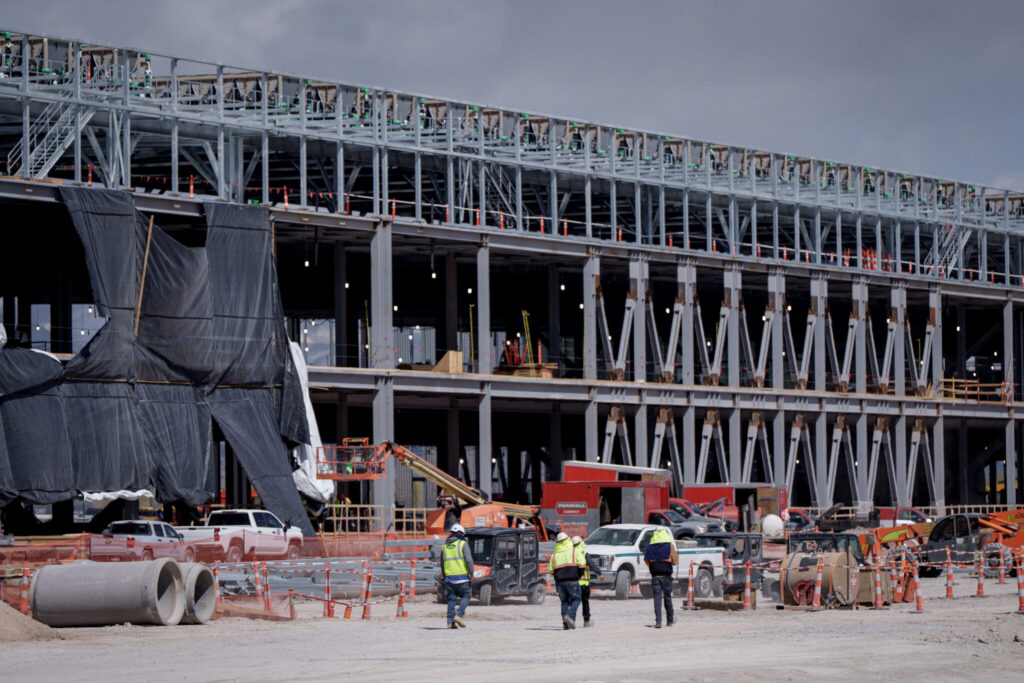
The unprecedented investment in data centers is generating concern as it eclipses previous economic booms and sidelines other ventures that create more jobs. No industry has propelled the U.S. economy with such intensity since the railroad expansion of the late 1800s. During the 19th century, railroads absorbed approximately $173 billion in today’s dollars and contributed over 2% of the nation’s annual GDP over two decades. Today, the data center investment exceeds that amount, totaling $10 trillion, nearly doubling the economic impact to almost 4% of GDP.
States are reconsidering their approach to data centers, many having offered tax exemptions before the current boom. Initially, states welcomed data centers supporting internet traffic, offering tax perks. However, the rise of artificial intelligence has led to increased energy demands and reduced tax revenues. For example, Nevada has reduced tax abatements and requires data centers to cover energy and water costs, as per a September executive order from Republican Gov. Joe Lombardo.
Projected data center costs over the next three years are concentrated in states like Texas ($638 billion), Virginia ($249 billion), Ohio ($169 billion), and Georgia ($160 billion), according to Industrial Info Resources. Southern states lead in the number of planned data centers, with significant projects also in Arizona, California, Florida, Indiana, Iowa, North Carolina, Oregon, Pennsylvania, and Washington, as reported by the Pew Research Center.
While AI profitability lags behind the costs, experts like IIR’s David Pickering believe regulation will eventually enhance profitability. However, the massive investment in data centers is diverting funds from other sectors like housing. Over two years, data center construction value more than doubled to $85 billion annually, while other construction values fell by 8%, according to a Stateline analysis of U.S. Census Bureau data. This shift reflects a broader move from residential investments to technology, noted Adam Shapiro of the Federal Reserve Bank of San Francisco.
Economists, including Paul Krugman, warn that data centers’ minimal employment may ultimately reduce labor demand. Josh Bivens of the Economic Policy Institute criticized the economy’s current reliance on data centers, calling it a fragile growth base. Concerns about AI’s profitability could trigger significant cutbacks, affecting economic stability.
Mark Higgins, author on U.S. financial history, highlights parallels with the 19th-century railroad boom. Back then, foreign investments led to market crashes, only for Americans to profit by buying distressed assets. Other historical construction booms never exceeded 1% of GDP, unlike today’s data center expansion. The International Monetary Fund warns of a potential stock market correction if AI expectations fall short.
Data center expansion will also significantly increase electricity consumption. An Oregon report recently led to a pause in data center approvals due to utility affordability concerns. A July analysis by Carnegie Mellon and North Carolina State University indicated that data center and cryptocurrency mining could raise electricity bills by 8% nationally and up to 25% in Virginia. In response, Virginia implemented an electricity surcharge for data centers in a budget compromise that retained tax breaks, while some localities are considering pauses or moratoriums on new data center projects.
—
Read More Montana News