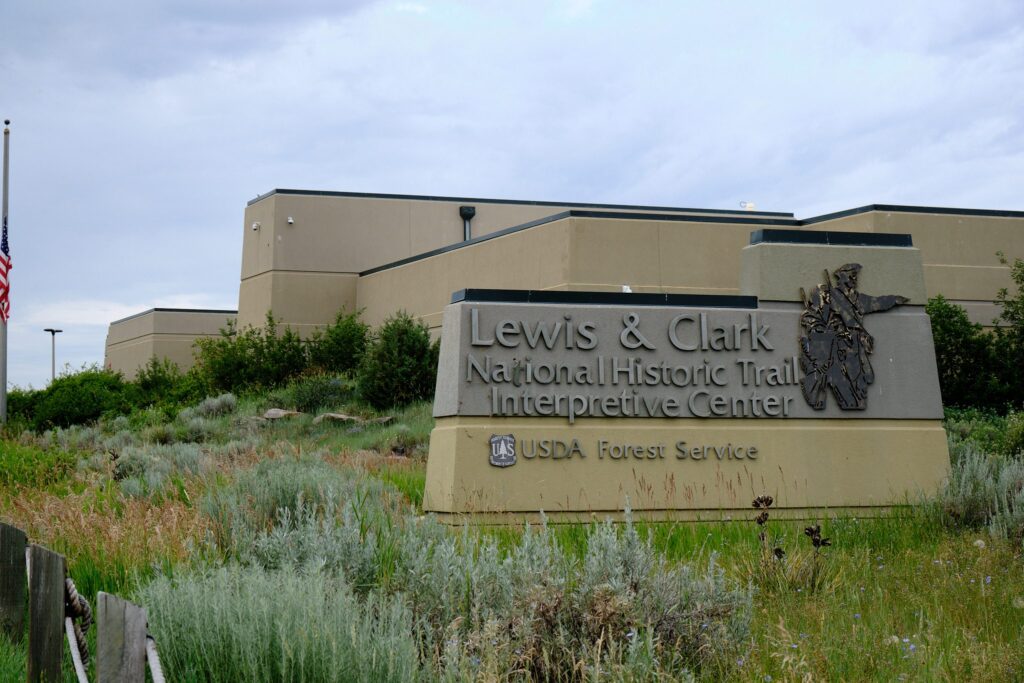

The Lewis and Clark Interpretive Center, a key tourist attraction in central Montana, is set to lose its entire full-time staff this year. The center, which attracts 50,000 visitors annually, will see the departure of director Duane Buchi, facilities manager Ray Tetrault, and Education Coordinator Cortney Reedy due to retirements and resignations.
These positions, historically filled by U.S. Forest Service staff, currently have no defined plan for replacement. “There will be a permanent person at some point,” said Kelly Paladino, executive director of the Lewis and Clark Foundation, but precise timing remains uncertain.
Since its grand opening in 1998, the interpretive center has been a cultural landmark celebrating the history of the Lewis and Clark expedition. Financial support and staff have dwindled under the Forest Service, now undergoing a widespread reorganization. Concerns loom that the small-town center might receive less priority amid the agency’s focus on forest management and fire prevention.
Former director Jane Weber shared that without adequate federal staffing, implementing programs becomes increasingly challenging. The Lewis and Clark Interpretive Center was unique being under the Forest Service, a departure from the typical National Park Service facilities. With changing federal priorities, local stakeholders wonder about the center’s future and the sufficiency of resources.
Weber recalled the interpretive center’s early days when the community raised over $3 million to match federal funds. Initially, the center boasted a robust team and hosted numerous tourist activities. Today, however, staff shortages threaten its programming capabilities. “We saw the writing on the wall 20 years ago,” said former foundation director Jay Russell. “What we thought could happen is happening.”
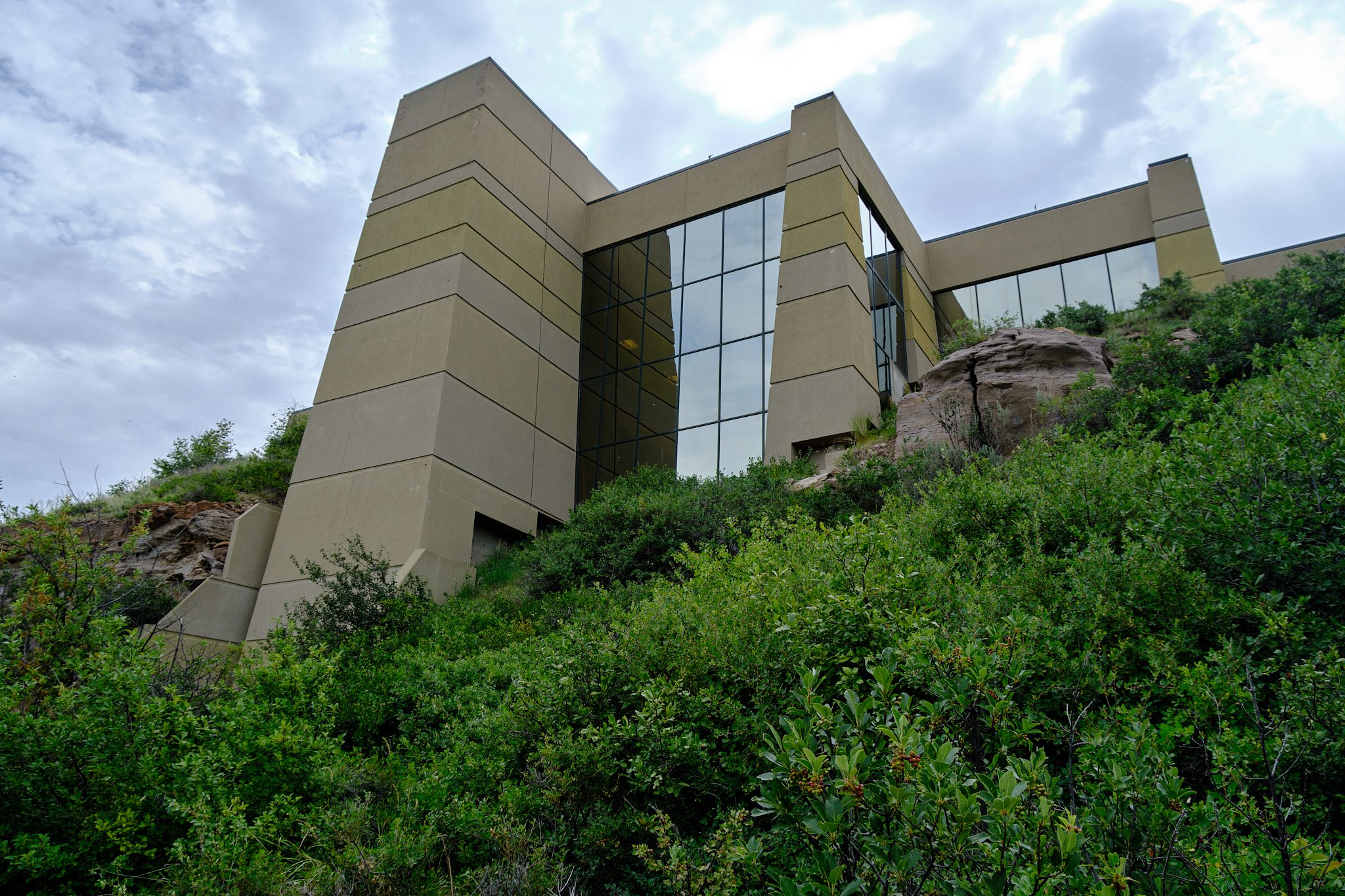
Throughout its operation, the Lewis and Clark Interpretive Center has remained the leading draw for tourists among Great Falls’ cultural offerings. Despite a decline in local visits, the center continues to attract history enthusiasts along the Lewis and Clark trail. With upcoming $600,000 renovations funded by the 2020 Great Outdoors Act, the center is preparing to refresh its exhibits, signifying a potential turning point for the facility, even as it faces uncertain federal support amid budget reallocation.
Forest Service budget cuts and an internal reorganization add to the uncertainty, with 7,000 employees departing last year alone. “We cannot maintain the facilities that we have today,” Forest Service Chief Tom Schultz said in a recent NPR podcast, emphasizing budget constraints.
The future of the Lewis and Clark Interpretive Center’s management remains unclear, but local supporters hope the federal agency will prioritize community collaboration to preserve this iconic Montana site.
“The community made a huge investment in the facility, and a lot of people donated a lot of money to see it come to fruition,” Russell stated, expressing optimism that it will continue as a jewel of Great Falls.
The post Federal support in question at Great Falls’ popular interpretive center appeared first on Montana Free Press.
—
Read More Montana News